
Step by Step: How to Plan a School-Wide Spirit Week
A great school-wide spirit week needs a theme, a simple daily plan, clear communication to staff and students, and an easy way to track participation. This guide walks you through each step, from picking themes to keeping the whole school engaged from Monday to Friday.
The Scenario Every Spirit Week Planner Knows
It's early September. The principal mentions spirit week is "coming up soon." Suddenly you're the one building a five-day schedule, texting other teachers for buy-in, and trying to figure out how to get high schoolers excited about anything that isn't lunch. If that sounds familiar, you're not alone. Spirit week can be one of the most fun weeks on the school calendar, but only if the planning happens before the chaos does.

What You'll Be Able to Do By the End of This Guide
By the time you finish reading, you'll have a clear day-by-day framework for planning a spirit week that works for every grade level, a way to keep staff aligned without a dozen email threads, and a simple system for tracking who's actually participating, not just who showed up in a costume.
What You'll Need
Before you start building, gather the following:
- Time: Two to three weeks of lead time is ideal. Spirit week itself is five days.
- A planning team: Even one or two co-organizers (student council, homeroom teachers, or admin) makes this easier.
- A theme list: Five daily themes, one for each day of the week.
- A way to communicate: Announcements, posters, or a digital tool students already check.
- A way to track participation: This is often the piece schools skip, and it's the easiest to fix.
- A realistic budget: Spirit week doesn't need to cost much. If you're working with limited funds, our guide to budget-friendly engagement tools for K-12 schools is a good place to start.
Step-by-Step Instructions
Step 1: Set Your Goal Before You Set Your Theme
Decide what spirit week is actually for this year. Is it about school pride before a big game? Boosting morale after a tough stretch? Welcoming a new class? The goal shapes everything else, including which days matter most and how you'll measure success.
Step 2: Pick Five Daily Themes That Work For Every Grade
Choose themes that are easy to understand and easy to participate in without buying anything new. Classics like Pajama Day, Twin Day, Decades Day, Jersey Day, and School Colors Day work because they're low-cost and age-appropriate for elementary through high school. Keep at least one "no costume required" day for students who don't want to dress up. It's also worth noting that some teachers hold back from dressing up on certain days on purpose, so no student feels out of place if they forgot or couldn't put together that day's look.
Step 3: Build a Simple Day-By-Day Schedule
Map out each day with the theme, any special activities (assemblies, contests, lunchtime games), and who's responsible for what. A one-page schedule that homeroom teachers can glance at is more useful than a detailed plan only you understand.
Step 4: Get Staff Buy-In Early
Spirit week only works if teachers are on board, since they're the ones reinforcing it in the classroom. Share the schedule at least two weeks ahead and make it clear what, if anything, is expected of them (announcing the theme, running a five-minute activity, etc.). If you want to see what staff-wide buy-in can look like in practice, this school district's staff scavenger hunt is a good real-world example of getting an entire staff engaged in a shared event.
Step 5: Announce It To Students In A Way They'll Actually See
Posters in hallways still work, but pairing them with a digital touchpoint, like a countdown on the school's app or a quick video announcement, helps the message land with students who are used to checking their phones or devices for information.
Step 6: Give Students An Easy Way To Participate And Be Seen
This is where a lot of spirit weeks lose momentum. If the only way to "participate" is wearing a costume and hoping a teacher notices, a lot of student effort goes unrecognized. Setting up a simple mission-based experience through Goosechase lets students submit photos of their daily outfits, complete themed challenges, or check in at school events, and see submissions show up in a live feed as they happen. It gives every grade a way to show school spirit and gives staff a quick, visible record of who's participating each day.

Step 7: Track Participation Across The Week
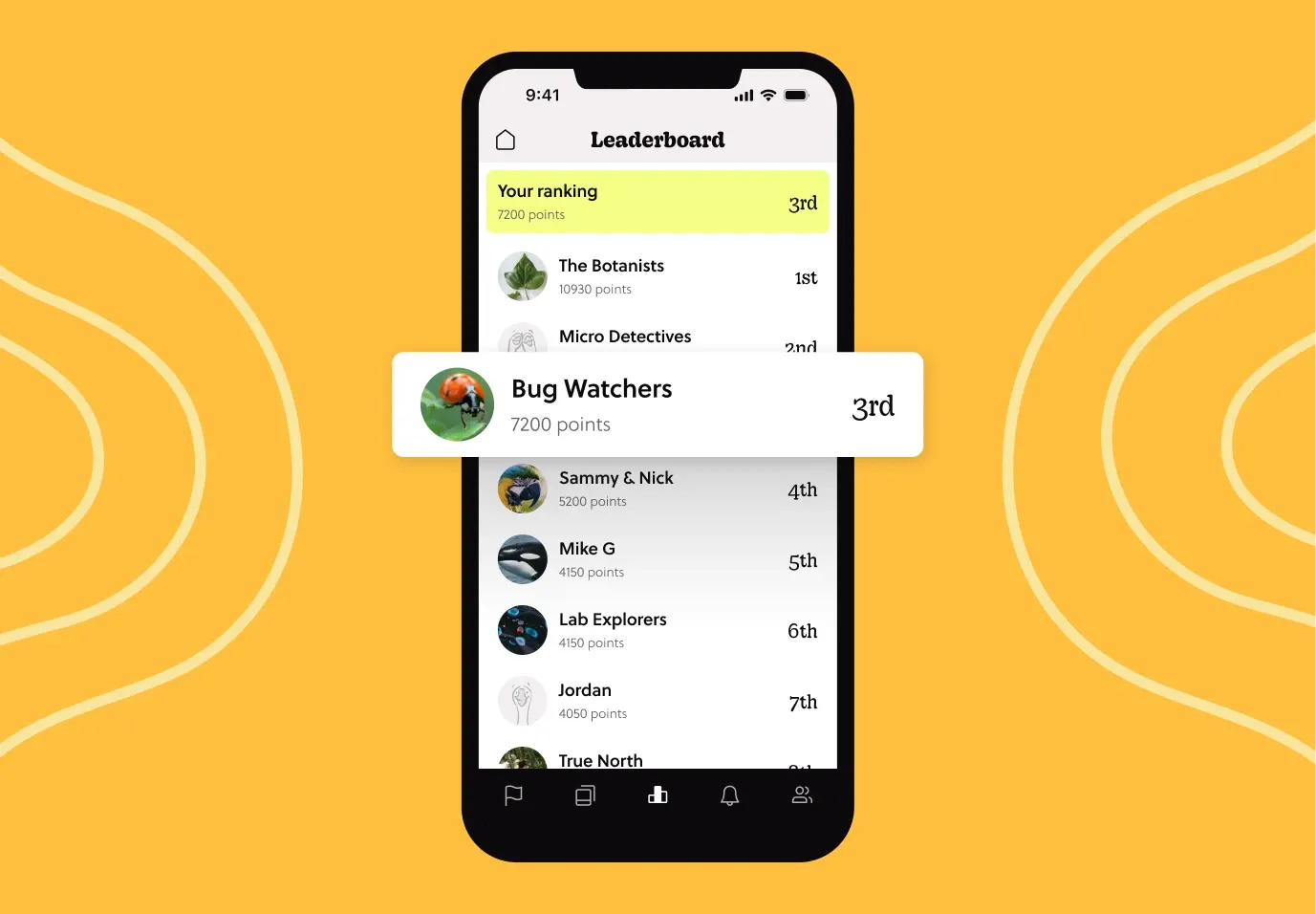
Whether you're using a simple spreadsheet or a digital tool, track participation by grade or homeroom so you can recognize the most spirited classes at the end of the week. A leaderboard or point system tends to motivate middle and high schoolers especially well.
Step 8: Wrap Up With Recognition
Close the activity with a few minutes of group reflection: What did they find? Who did they meet? This turns the activity from a one-off task into a shared first memory of the school.
Other Considerations
- Inclusivity: Make sure at least one or two days don't require purchasing anything, and that no theme could unintentionally exclude students based on culture, budget, or ability.
- Safety and appropriateness: Set clear, age-appropriate guidelines for costumes and activities ahead of time, and make sure any photo or video submissions are reviewed before being shared publicly. If data privacy and classroom compliance are part of your school's evaluation process, this breakdown of Goosechase's classroom compliance is worth a read.
- Device access: Many schools rely on shared tablets, Chromebooks, or laptops rather than personal phones, so choose tools that work well on school-issued devices.
- Staff workload: Keep any daily "extra" (assemblies, games, judging) light enough that teachers can run it without much prep.
Real Examples
- Elementary school: A five-day theme rotation (Pajama Day, Favorite Book Character Day, Sports Day, Twin Day, Color Day) paired with a simple homeroom photo check-in each morning to track participation by class. For more fall-friendly ideas that pair well with a theme rotation like this one, check out our Back-to-School Guide: Interactive Experiences for Fall.
- Middle or high school: Daily themes tied to a class competition, where each grade earns points for participation, culminating in a Friday pep rally announcing the winning grade. For more ways to structure a competition-style spirit week, see School Spirit Days: Great Ideas for Homecoming and Spirit Week. It's written with university homecoming in mind, but most of the ideas translate directly to a high school spirit week.
Tips and Troubleshooting
- Announcing themes the day before: Share the full schedule at least two weeks out so students have time to plan outfits.
- Only tracking participation by "who you noticed" in the hallway: Use a simple submission or check-in system so participation isn't dependent on which students happened to walk past a teacher.
- Overloading teachers with extra tasks during an already busy week: Keep staff responsibilities to one or two low-effort actions per day.
- Themes that unintentionally exclude some students: Always include at least one no-cost, no-costume day.
Next Steps
Once spirit week wraps up, many schools look for ways to keep that same energy going for other events throughout the year, like homecoming, field day, or a first-week-of-school welcome. If you're planning one of those next, a similar mission-based approach can help you carry the momentum forward.
Ready To Make This Year's Spirit Week Easier To Run?
If tracking participation and keeping students engaged across five days sounds like the hardest part, Goosechase's K-12 plans are built with exactly that in mind.
FAQ
How far in advance should we start planning spirit week?
Two to three weeks is generally enough time to finalize themes, get staff buy-in, and communicate the schedule to students.
What are good spirit week themes for younger students?
Simple, familiar themes work best for elementary grades: pajama day, favorite character day, sports day, and color day are all easy for young students to understand and participate in.
How do we track student participation across a whole school?
A shared tracking system, whether a spreadsheet or a digital tool with photo check-ins, makes it much easier to see participation by grade or homeroom without relying on teachers to spot every student.
What if some students don't want to dress up?
Include at least one or two low-key days, like school colors day or a class trivia challenge, so participation doesn't depend on costumes.