Budget-Friendly Engagement Tools for K-12 Schools
Smart solutions for K-12 administrators working with real-world budgets.
Student engagement is one of the biggest priorities for K-12 administrators today and one of the biggest challenges. Between tight budgets, competing priorities, and growing expectations from students, parents, and educators, finding the right student engagement strategies can feel like a tall order.
Here's the good news: meaningful engagement doesn't require expensive software or complex programs. Plenty of free classroom engagement tools and affordable platforms do the heavy lifting, boosting participation, strengthening school culture, and supporting learning without stretching school resources.
Below are 15 of the best budget-friendly engagement tools for K-12 schools, along with ideas administrators can put into action quickly and sustainably.
Why Engagement Matters More Than Ever in K-12 Schools
Research consistently shows that engaged students:
- Participate more actively in learning
- Retain information longer
- Build stronger relationships with peers and teachers
- Develop a stronger sense of belonging at school
For administrators, engagement tools also support school climate initiatives, social-emotional learning (SEL), and attendance improvement efforts.
But engagement should be accessible, not reserved for schools with the largest budgets. The right tools help schools prioritize people before profit, creating experiences that support both educators and students.
Interactive Learning Platforms
Digital platforms designed for participation can dramatically increase classroom energy while staying affordable.
These platforms go beyond traditional quizzes by turning lessons into interactive, student-driven experiences. Whether it’s completing creative missions, progressing through game-based challenges, or engaging directly within slide presentations, these platforms help transform passive learning into active participation.
Benefits for schools:
- Immediate feedback for teachers
- Increased student participation
- Easy integration into existing lessons and activities
- Flexible options that work across grade levels
- Free or low-cost educator plans available
These tools help teachers with solutions that are simple, engaging, and scalable. Even better, they create learning experiences students actually look forward to. Here are some of the top interactive learning platforms, along with their approximate cost and why they’re effective for boosting student engagement.
1. Goosechase
- Cost: Free basic educator version allows up to 5 teams, paid plans start at $99/year per teacher with discounted school and district wide options available as well.
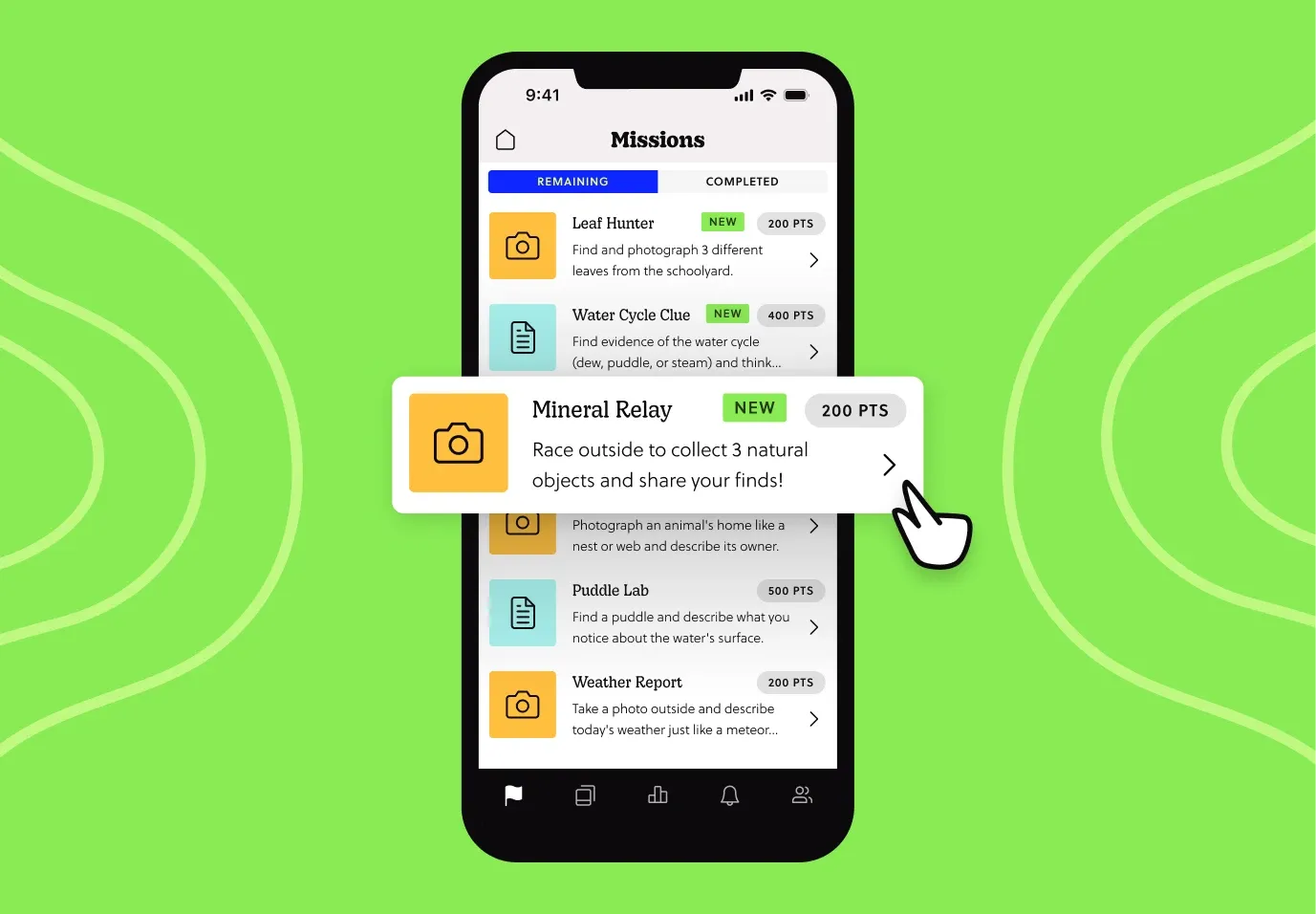
- Why it works: Turns learning into interactive scavenger hunt style experiences with Missions that improve engagement and retention. It's perfect for school culture, orientation, and classroom lessons. It's playful, it’s fun, it's impactful. Want to see it for yourself? Here are four ways to try it.
2. Classcraft
- Cost: Free basic version; premium ~$120/year per teacher
- Why it works: Gamifies classroom management and behavior with RPG-style progression and teamwork.
3. Pear Deck
- Cost: Free basic version; premium ~$149/year per teacher (often discounted for schools/districts)
- Why it works: Turns Google Slides into interactive lessons with embedded questions and engagement prompts.
Quiz Tools
Quiz-based tools are a simple way to boost student motivation. When learning feels interactive and a little competitive, participation naturally increases.
Schools are increasingly using live quizzes, polls, and knowledge checks to reinforce learning, spark discussion, and keep students engaged throughout lessons.
Quizzes work especially well for:
- Lesson review and formative assessments
- Exit tickets and quick knowledge checks
- Classroom discussions and opinion polling
- Test prep and revision activities
- Remote or hybrid learning environments
That said, quizzes mostly measure what students already know. Fully interactive platforms tend to go further, getting students moving, collaborating, and creating in ways that drive deeper retention.
Platforms like Kahoot, Mentimeter, and Quizizz (now Wayground) make it easy for educators to create interactive quizzes and polls with features like live competitions, instant feedback, and self-paced challenges. Below are some of the top quiz tools, including their pricing.
4. Kahoot!
- Cost: Free basic plan; paid plans start around ~$3–$6/teacher/month
- Why it works: Easy-to-use live quizzes that boost participation instantly; great for formative assessment and review games.
5. Mentimeter
- Cost: Free limited plan; paid plans ~$11–$25/month (education discounts available)
- Why it works: Real-time polling, word clouds, and Q&A—excellent for assemblies or classroom check-ins.
6. Quizizz (now Wayground)
- Cost: Free basic plan; paid plans ~$5–$10/teacher/month
- Why it works: Self-paced gamified quizzes with memes and instant feedback—highly engaging for students.
Collaborative Whiteboard Tools
Some ideas don't fit neatly into a quiz answer or a worksheet box. Digital whiteboards give students a blank canvas to sketch a concept, map out a problem, or pile on ideas without raising a hand first.
Teachers can create interactive activities such as:
- Group brainstorming sessions
- Mind-mapping exercises
- Peer feedback boards
- Visual project planning
That's the real value: they lower the bar for participation. Quiet students who'd never volunteer an answer out loud will happily drop a sticky note on a shared board, and teachers get a live window into how students are actually thinking.
7. Google Jamboard (or FigJam / Google Slides workaround)
- Cost: Free with Google Workspace for Education
- Why it works: Simple, accessible collaborative space for brainstorming and group activities.
8. Miro (Education Plan)
- Cost: Free education plan available
- Why it works: More advanced visual collaboration—great for project-based learning and group planning.
9. Padlet
- Cost: Free limited plan; paid plans ~$8–$12/month per teacher
- Why it works: Makes it easy for students to share ideas, collaborate in real time, and showcase their thinking in a simple, visual format.
Student Voice Platforms
One of the most powerful engagement tools is simply giving students a voice.
Survey platforms and feedback tools allow administrators to gather insights directly from students about:
- School culture
- Mental health and wellbeing
- Learning preferences
- Event ideas and extracurricular interests
When students see their feedback lead to action, engagement and trust grow across the school community.
For administrators, this creates a culture where trust and collaboration are at the center of decision-making. Here are trusted student feedback platforms, with a quick look at their pricing and how they help schools gather meaningful insights from students.
10. Google Forms
- Cost: Free
- Why it works: Quick, flexible surveys for gathering student feedback on anything from school climate to events.
11. SurveyMonkey (Education Plans)
- Cost: Free basic; paid plans ~$25+/month (discounts for education)
- Why it works: More advanced analytics and reporting for administrators tracking trends over time.
12. Poll Everywhere
- Cost: Free limited plan; paid plans ~$10–$15/month
- Why it works: Live polling via mobile devices—great for assemblies, town halls, or leadership feedback sessions.
Community-Building Activities
Sometimes the most impactful engagement strategies don’t require new software at all.
Administrators can foster engagement through creative school-wide initiatives like:
- Spirit week challenges
- Community service missions
- Kindness campaigns
- Cross-grade mentorship activities
Adding a playful structure, such as missions or team challenges, can transform ordinary activities into memorable experiences. A little creativity (and maybe a little weirdness) can go a long way toward building a positive school culture that students love being part of. These budget-friendly activity ideas include estimated costs and show how schools can strengthen culture and connection without major investment.
13. Spirit Week + DIY Challenges
- Cost: $0–$200 (depending on prizes/materials)
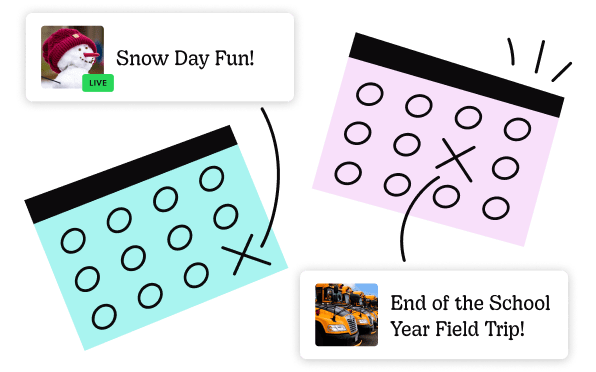
- Why it works: Low-cost, high-impact way to build school culture and student excitement.
14. Kindness Campaigns (e.g., “Random Acts of Kindness Week”)
- Cost: $0–$100 (printables, small incentives)
- Why it works: Promotes SEL and positive behavior while strengthening community.
15. Student-Led Events (Talent Shows, Clubs, Peer Mentorship)
- Cost: $0–$300 (optional supplies, event setup)
- Why it works: Empowers student voice and leadership—high engagement with minimal cost.
Choosing the Right Engagement Tool for Your School
When evaluating engagement tools, K-12 administrators should look for solutions that are:
- Affordable and scalable
- Easy for teachers to adopt
- Flexible across grade levels
- Supportive of collaboration and creativity
The best tools don’t just add technology, they enhance the human connection between students, teachers, and the broader school community.
Creating Engaging Schools Without Breaking the Budget
Budget limits don't have to cap creativity. By focusing on simple, interactive, and collaborative engagement tools, K-12 schools can build meaningful experiences that support both learning and community.
The most successful schools remember that engagement isn't about flashy technology. It's about designing experiences where students feel included, motivated, and genuinely excited to show up. And sometimes the best student engagement strategies are the ones that lean into curiosity, creativity, and a little bit of play.
Start small. Pick one tool from this list, try it for a month, and see what shifts. Engagement compounds and so does the confidence that comes with finding what works for your school.
Quick Summary: Budget-Friendly Engagement Tools for K-12 schools
Here's the short version, in case you're scanning:
- Interactive learning platforms like Goosechase, Classcraft, and Pear Deck turn lessons into active, student-driven experiences.
- Quiz tools like Kahoot, Mentimeter, and Quizizz (now Wayground) make assessment feel less like a test and more like a game.
- Collaborative whiteboards like Jamboard, Miro, and Padlet give students space to brainstorm, share, and build together.
- Student voice platforms like Google Forms, SurveyMonkey, and Poll Everywhere turn feedback into action and trust.
- Community-building activities like spirit weeks, kindness campaigns, and student-led events create connection on a shoestring.
Ready to bring this to life?
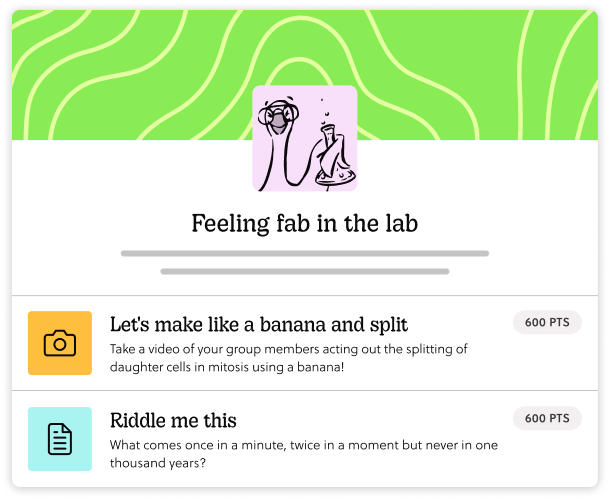
Goosechase turns everyday orientation, classroom lessons, spirit weeks, field trips and more into interactive Experiences students actually want to participate in. Free for up to 5 teams, with affordable plans for schools and districts ready to scale.
Competitor pricing and feature information based on publicly available data as of May 2026 and subject to change. Third-party trademarks belong to their respective owners.