Step by Step: How to Run a Fundraising Event at School
A successful school-wide fundraiser needs a clear goal, an activity students actually want to participate in, and a simple way for teachers and volunteers to run it without extra stress. This guide walks you through planning, launching, and wrapping up a fundraising event step by step, plus how an interactive Experience can make the whole thing more fun for students and easier for staff.
The Fundraiser Planning Headache Is Real
You've been asked to run this year's school fundraiser. Maybe it's for a new playground, a class trip, or classroom supplies that never seem to be fully covered. You know a bake sale will only get you so far, and a straight donation ask tends to fall flat with families who are already stretched thin.
At the same time, you're managing a school full of students with different ages, attention spans, and comfort levels with public participation. Whatever you plan needs to work for the kindergartener and the eighth grader, fit inside a school schedule, and not add hours of extra work for teachers who are already busy.

If that sounds familiar, you're not alone. Every principal, teacher, or PTO member who has organized a school fundraiser has faced some version of this puzzle.
What You'll Be Able to Do By the End of This Guide
By the end of this post, you'll have a clear plan for running a school-wide fundraising event, from setting your goal to wrapping things up and thanking your community. You'll also see how a mission-based Experience can turn your fundraiser into something students look forward to, rather than another activity they're told to participate in.
What You'll Need
Before you get started, gather the following:
- A clear fundraising goal. What are you raising money for, and how much do you need?
- A target date and timeline. Most school fundraisers benefit from 4 to 6 weeks of lead time for planning and promotion.
- A planning team. This could be a PTO committee, a group of teachers, or a mix of staff and parent volunteers.
- A way to communicate with families. Email, a school app, or your usual newsletter channel.
- A fundraising activity or platform. This is the format your event will actually run on, whether that's a walk-a-thon, a read-a-thon, or an interactive Experience students complete together.
- A method for collecting or tracking donations. Whether that's a school-approved donation page, a coordinated collection process, or a platform with reporting built in.
Step-by-Step Instructions
Step 1: Set a Specific, Shared Goal
Start with a number and a purpose. "Raise $5,000 for new library books" gives your community something concrete to rally around, and it's a lot more motivating than a vague ask. Share this goal early and often so students, staff, and families understand what they're working toward.
Step 2: Choose a Format Students Will Actually Enjoy, And Decide How Dollars Get Raised
This is where a lot of school fundraisers lose momentum. Bake sales and pledge sheets are familiar, but they don't always generate excitement, especially with students who've seen them before.
Before you lock in a format, separate two decisions: how students will participate, and how money will actually be raised. Goosechase powers the participation side. It's an interactive Experience platform, not a payment or donation processor, so you'll still need a mechanism for collecting funds. Common options schools pair with an Experience include:
- Per-Mission sponsorships, where families pledge a flat amount or a dollar amount per Mission their student completes
- A flat participation donation, collected upfront through your school's existing donation process
- A separate donation page or platform your school already uses, with the Experience serving as the engagement piece that drives participation and excitement
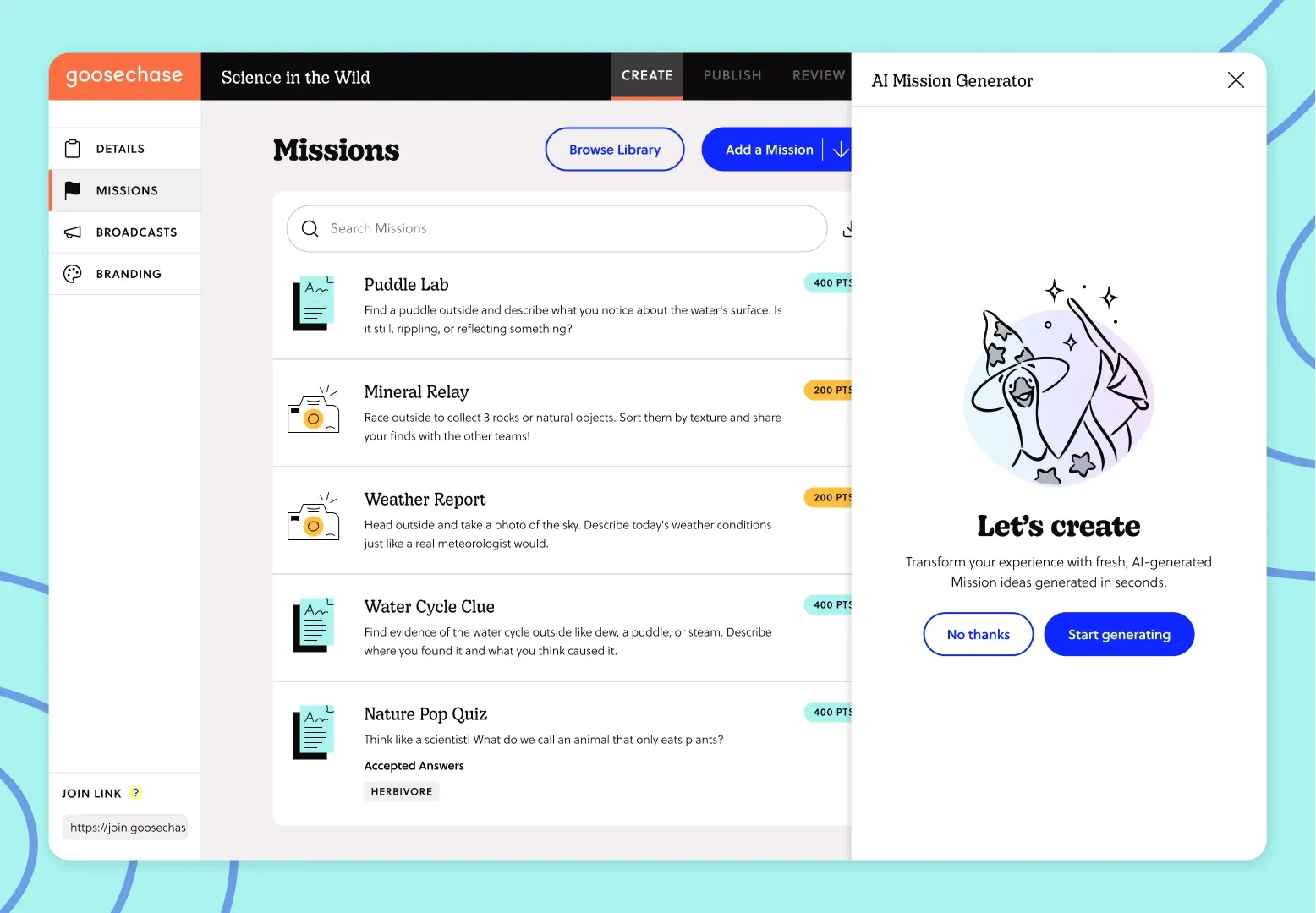
Once you've settled on how money will be raised, you can build the participation side around it. With Goosechase, you can create a school-wide Experience made up of Missions, small challenges that students complete by submitting a photo, video, or check-in from a phone or shared classroom device. You might build Missions around school spirit, teamwork, or your fundraising theme, so completing Missions becomes the visible, trackable activity that your pledge or donation structure is tied to. If you'd rather build around a proven event format instead of starting from scratch, our guide on making your next fun run unforgettable walks through another approach schools use to pair an activity with a fundraising goal.
Step 3: Set Up Your Money-Collection Method
Decide exactly how funds will move from families to your school before you promote the event. If you're using per-Mission pledges, send home a simple pledge form or use your school's existing online giving tool so families know what they're committing to. If it's a flat donation, make sure the collection process (cash, check, or an existing school payment portal) is communicated clearly. This step should be locked in before you promote the event, since it's the part families will ask about first.
Step 4: Build Your Event Structure
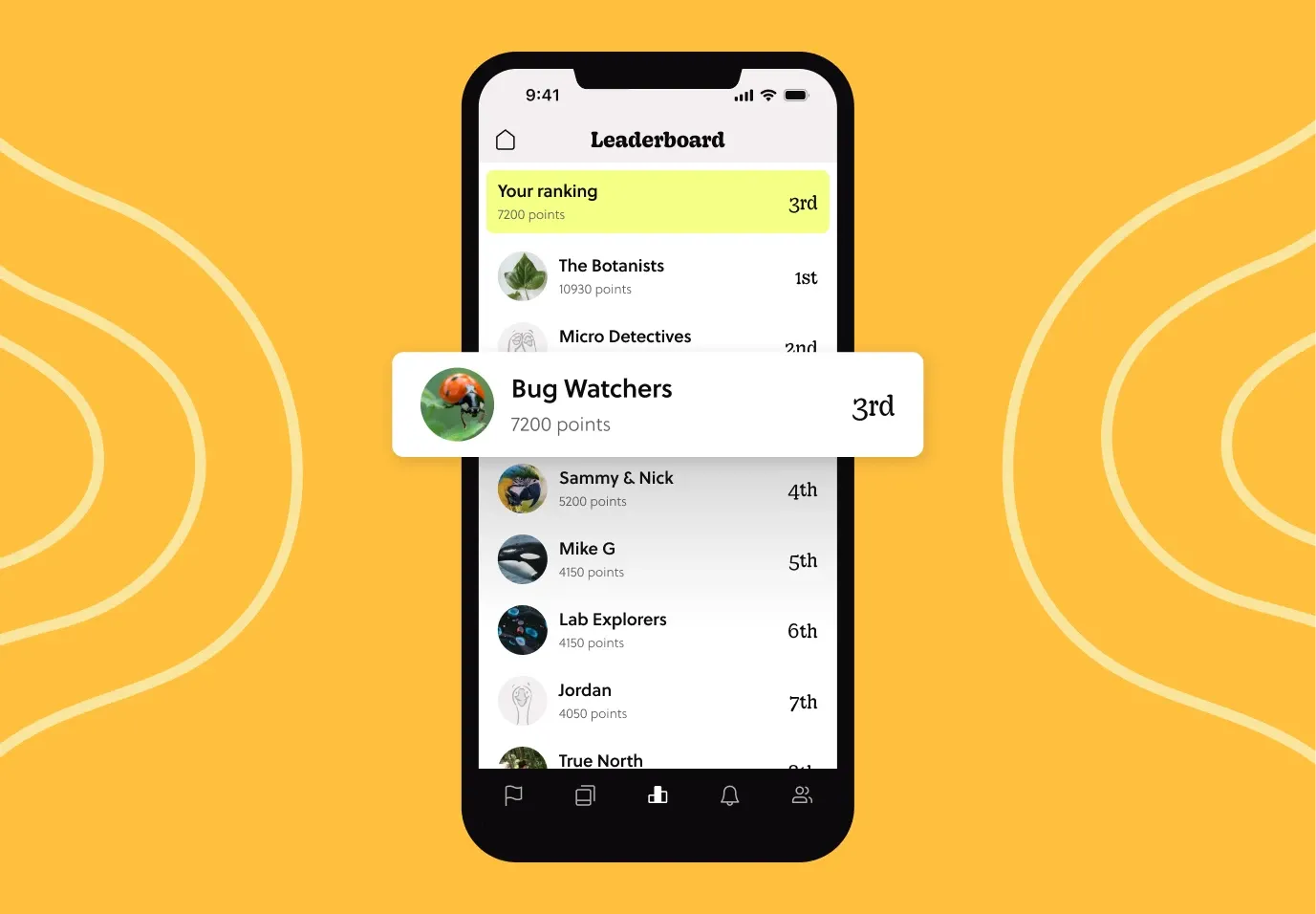
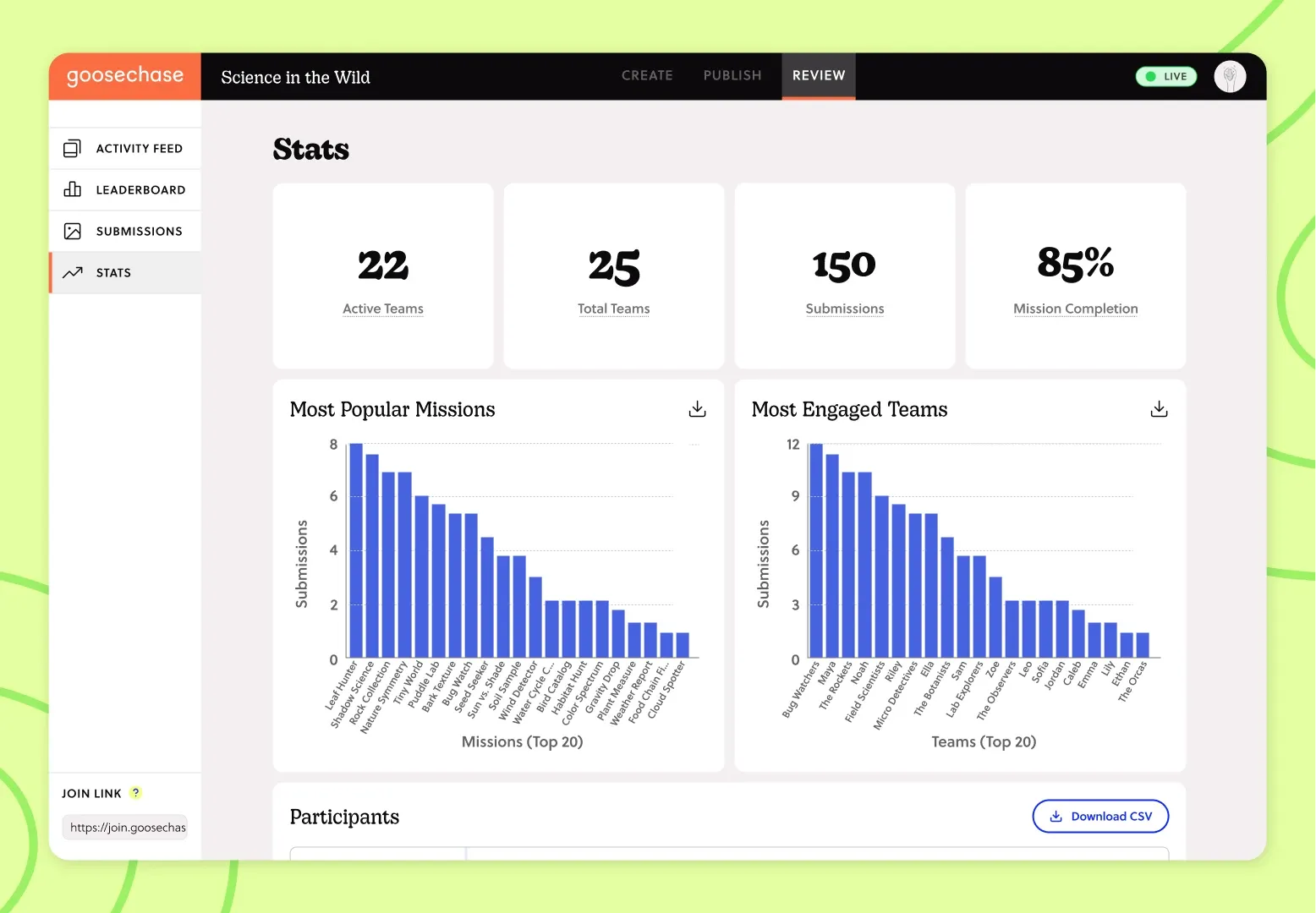
Decide how classes or grade levels will participate. Will it be class versus class? Grade versus grade? Individual participation with a shared school goal? A leaderboard can show real-time standings as Missions get completed, which naturally builds friendly competition and keeps energy high throughout the event.
Step 5: Recruit and Brief Your Volunteers
Identify who will help run the event on the day, whether that's teachers supervising their classrooms, PTO members staffing a check-in table, or older students helping younger grades. Keep instructions simple. If teachers only need to hand out devices and press start, you'll get a lot more buy-in.
Step 6: Promote the Event to Families
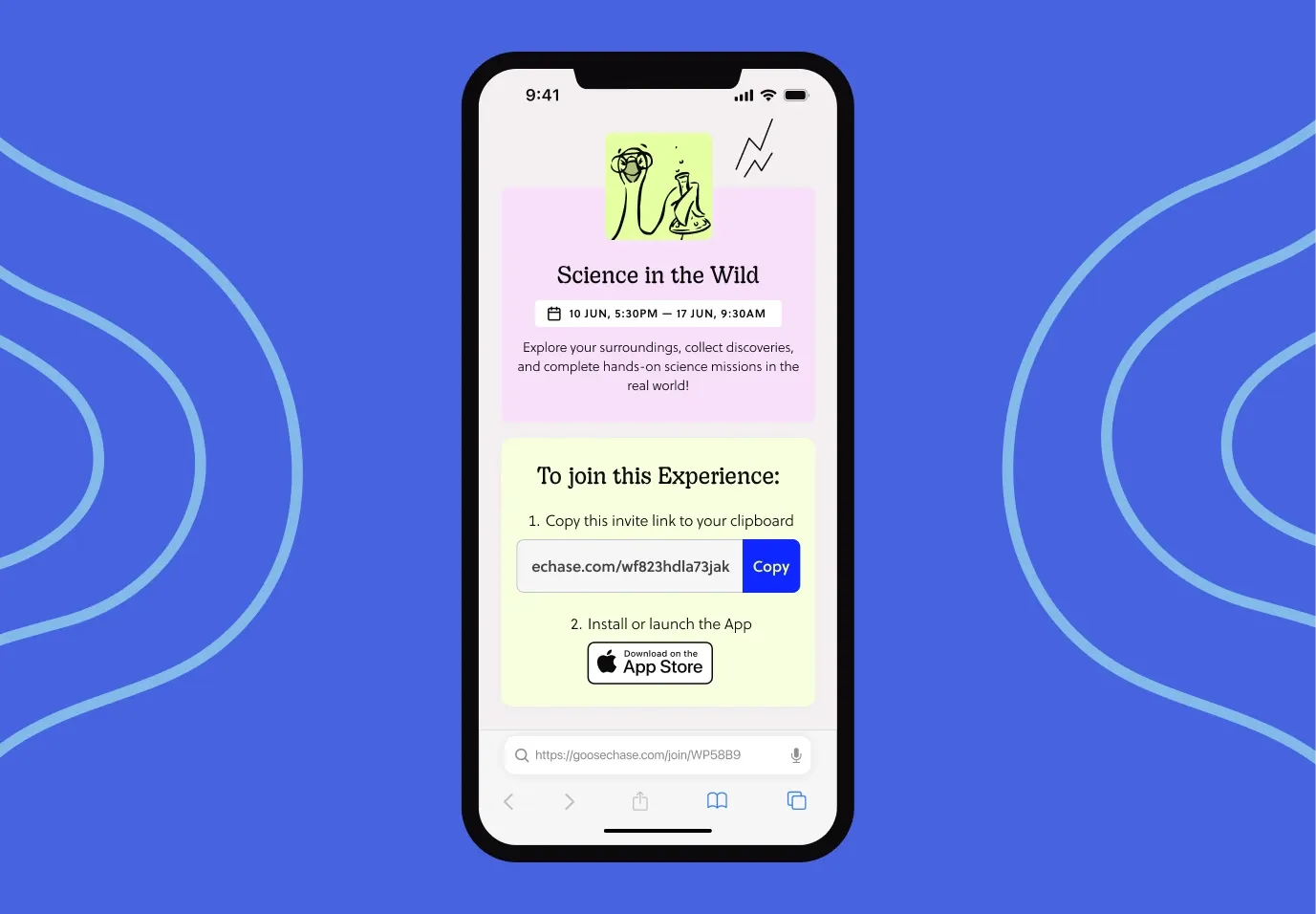
Send home information at least two weeks in advance. Explain the goal, the format, and how families can support students, whether that's through sponsorships, donations, or simply cheering them on. A short explainer video or splash screen introducing the theme can help build anticipation before the big day.
Step 7: Run the Event
On event day, keep the schedule simple and the energy high. If you're running an Experience, the Activity Feed lets the whole school see submissions roll in live, which helps create a shared sense of momentum across classrooms.
Step 8: Wrap Up and Say Thank You
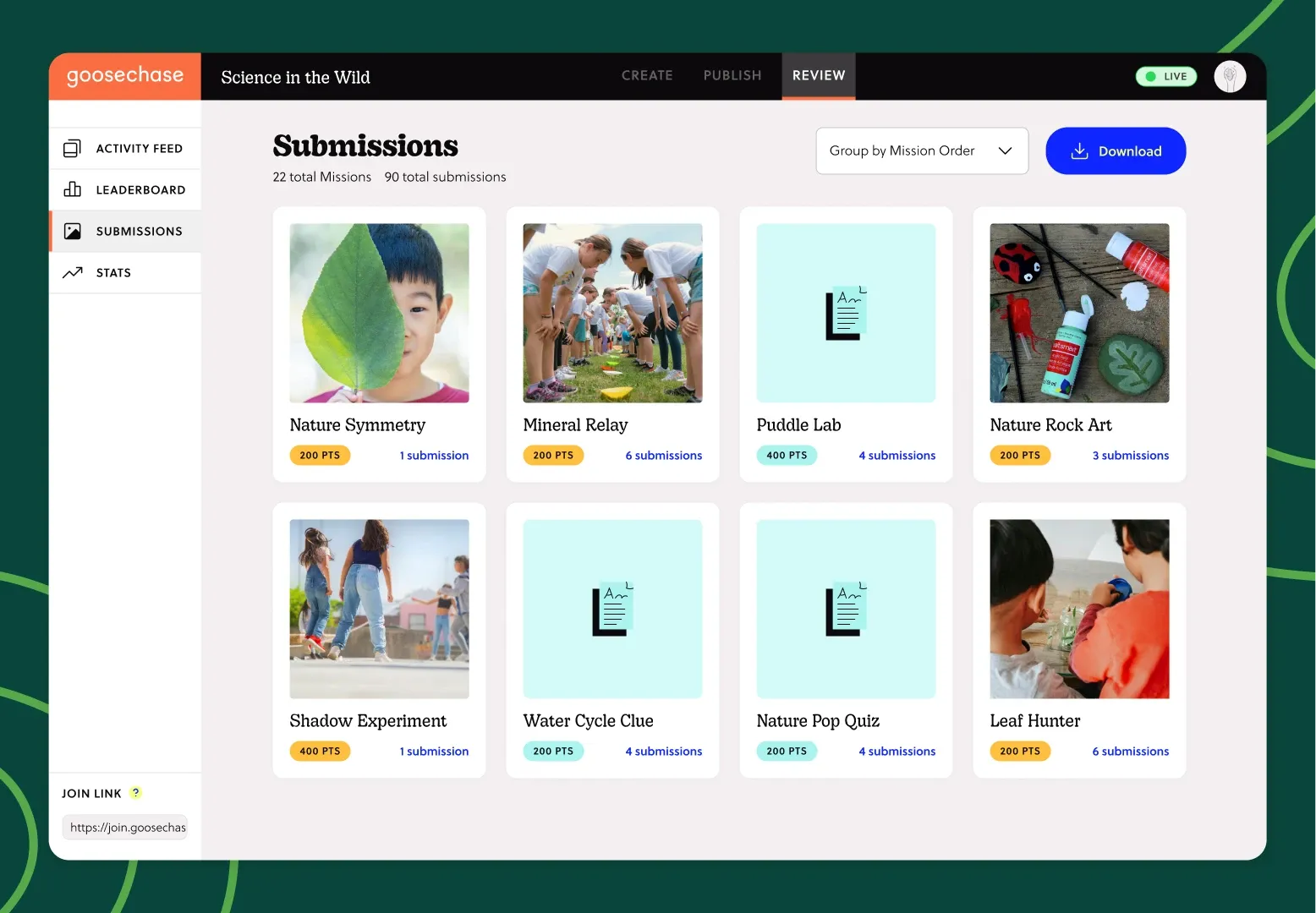
Announce the final results, celebrate participation across every grade, and thank families, staff, and volunteers. Before your assembly or recap email, take a few minutes to scroll back through the Activity Feed and pull out a handful of standout submissions, a creative photo, a funny video, a Mission that got an unexpectedly great response. Sharing a few of these during the assembly gives students something specific to see and laugh about together, rather than just hearing a final dollar total. A quick recap email or assembly shoutout goes a long way toward building goodwill for next year's fundraiser.
Other Considerations To Keep In Mind
- Age appropriateness. Younger students may need help submitting photos or check-ins, so plan for teacher or volunteer support in early grades.
- Safety and supervision. If your event involves any movement around the school building or grounds, make sure supervision plans are in place ahead of time.
- Device access. Not every student may have their own device. Plan for shared classroom devices or paired participation where needed. If budget is a factor for your school more broadly, our roundup of budget-friendly engagement tools for K-12 schools can help you plan around what you already have.
- School policies. Confirm any district or school-level rules around fundraising, data collection, or third-party platforms before you finalize your plan. If privacy or compliance questions come up, see our breakdown of whether Goosechase is compliant with your classroom.
A Real Example

At Setauket Elementary, a fourth-grade teacher turned a rising field trip cost into a ticketed family game night built around a Goosechase Experience. The Experience's layered Missions gave the evening its structure, while ticket sales covered the fundraising. The event brought 76 families together and raised enough to significantly reduce the per-student trip cost, and it's now one of the school's go-to fundraisers. Read the full story here.
Tips and Troubleshooting
- Setting the goal too high without context: Break a large goal into smaller milestones so students and families can see progress along the way.
- Overcomplicating the format: The simpler the instructions, the higher the participation. If teachers or students need a manual to understand how it works, scale it back.
- Forgetting to follow up: Don't let momentum die after the event ends. A thank-you message and final results announcement helps set up next year's fundraiser for success.
- Not testing the technology beforehand: If you're using devices or an app, do a quick test run with a small group before the full school participates.
Next Steps
Once your fundraiser wraps up, consider turning it into an annual tradition. Many schools find that a themed Experience works well for other events too, like homecoming, orientation week, or an end-of-year celebration. For more ideas, check out our guide on school spirit days for homecoming and spirit week.
Ready To Bring This To Life?
Running a school-wide fundraiser takes planning, but it doesn't have to take over your to-do list. Goosechase gives you a simple way to build an interactive Experience that gets students excited to participate, without adding extra work for your teachers.
Build your first Goosechase Experience today and see how easy it is to set up Missions, track participation, and keep the whole school engaged from kickoff to results day.
Turn your next fundraiser into something students actually look forward to.
FAQ
How much does it cost for a school to use Goosechase?
K-12 educators can get started for free with up to 5 teams of students. For larger schools or district-wide use, Goosechase for Educators offers discounted Educator, school-wide, and district-wide plans, with paid access starting at $99 per year.
How long does it take to plan a school fundraiser?
Most schools benefit from 4 to 6 weeks of lead time. But that time is mostly for promotion, not planning. Setting up the event itself, goal, format, and money-collection method, can happen in just a few days. The real lead time goes toward giving families enough notice to plan around sponsorships, pledges, or ticket purchases.
Do students need their own devices to participate?
Not necessarily. Many schools use shared classroom devices or pair students together, especially in younger grades.
Can a fundraiser work for every grade level at once?
Yes. A mission-based Experience can be structured with age-appropriate Missions so that every grade, from kindergarten through eighth grade, has a way to participate.
Is this safe and appropriate for K-12 students?
Goosechase is built with privacy and security in mind, and schools can customize Missions to fit the age group and setting of their event.
Does Goosechase collect donations or process payments?
No. Goosechase is an Experience platform that powers student participation through Missions, a Leaderboard, and a live Activity Feed. Schools handle the actual fundraising mechanism, such as pledges, sponsorships, or an existing donation platform, separately, and use the Experience to drive engagement and track participation toward that goal.