
15 Top Tech Tools to Boost Student Engagement in Modern Classrooms
Technology has reshaped how educators engage students, transforming classrooms from passive learning environments into dynamic spaces where students actively participate, collaborate, and create. The most effective tech tools don’t simply digitize traditional lessons, they enhance interaction, personalize learning, and provide meaningful insight into student progress.
Below are 15 tools helping teachers increase engagement while keeping implementation practical and purposeful.
Why Tech Tools Matter for Student Engagement
Research consistently shows that educational technology can improve student engagement by creating personalized learning experiences that address individual student needs. When teachers use technology strategically, they transform their classroom into a collaborative learning environment where disengaged students become active participants. Tools like interactive platforms and game-based learning applications help students feel connected to material in ways textbooks alone cannot achieve.
The challenge for educators isn't whether to use technology, but which tools to engage students most effectively. With countless options available, teachers need solutions that genuinely enhance student engagement rather than adding complexity without value. The best classroom technology integrates seamlessly into lesson plans while providing deeper engagement opportunities that boost student achievement.
Interactive Learning Platforms
Interactive platforms invite students to participate rather than observe.
1. Kahoot - Game-Based Quiz Tool
Tools like Kahoot turn traditional quizzes into competitive, digital quizzes where students answer questions in real-time. These game-based learning platforms let students respond using their devices while teachers track student understanding through instant analytics. The gamification element, where students earn badges, climb leaderboards, and compete with peers, turns formative assessment into entertainment that students actually want to participate in.
2. Pear Deck - Interactive Presentations
Pear Deck allows teachers to create interactive slide presentations where every student responds to prompts on their individual screens. Unlike passive slideshow viewing, this tool ensures participation from all students, giving teachers real-time insight into student responses and comprehension. Teachers can use Pear Deck templates to quickly build engaging lessons that foster active learning across any subject area.
3. Goosechase – Experiential Active Learning
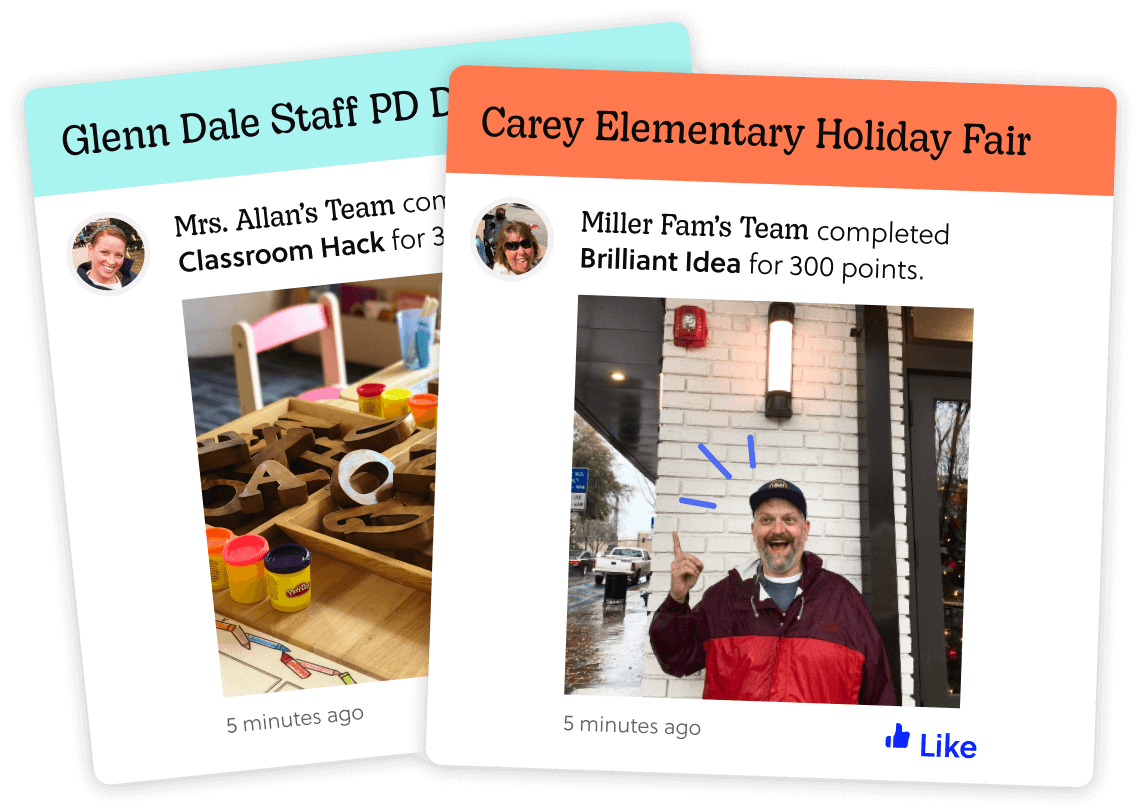
While quizzes and slides increase interaction, experiential platforms like Goosechase take engagement a step further by blending movement, collaboration, and creativity. Goosechase creates interactive classroom activities where students complete Missions, solve challenges, and collaborate on tasks. Unlike static worksheets, Goosechase Missions get your students moving, thinking creatively, and working together. The platform's strategies to increase student engagement include photo and video challenges, GPS-based tasks, and collaborative problem-solving that transform any lesson plan into an adventure. Teachers can track individual and team progress through built-in analytics while students experience learning as play.
4. Nearpod - Multimedia & Immersive Lessons
Nearpod converts standard lessons into multimedia experiences with embedded quizzes, polls, videos, and even virtual reality content. This learning platform provides instant feedback mechanisms and learning analytics that help teachers assess students and adjust instruction in real-time. The virtual and augmented reality features create immersive classroom experiences that capture attention and enhance teaching.
Collaborative & Creative Learning Tools
Collaboration strengthens engagement and builds essential skills.
5. Google Classroom – Learning Management & Organization
Learning management systems like Google Classroom provide centralized spaces where teachers can organize materials, assign work, and communicate with multiple students simultaneously. These platforms allow students to collaborate on documents, submit assignments, and access learning paths for students tailored to their progress. The organizational benefits help teachers manage classroom logistics while students learn digital citizenship and collaborative work skills.
6. Padlet – Visual Collaboration Boards
Padlet creates digital bulletin boards where students create posts, share multimedia content, and respond to classmates' ideas. This tool allows students to collaborate asynchronously, making it easy for students with different schedules or learning needs to contribute meaningfully. Teachers can use Padlet for brainstorming, project planning, or collaborative research projects that give students ownership of their learning.
7. Miro – Digital Whiteboarding
Miro provides digital whiteboards perfect for project-based learning, where students work together on mind maps, diagrams, and visual planning. The platform makes it easy for students to co-create regardless of physical location, supporting both in-person and virtual learning scenarios. This collaborative approach helps students to learn visual thinking and organizational skills while working on group projects.
Personalized & Adaptive Learning Tools
Personalization increases engagement by meeting students where they are.
8. AI-Powered Learning Platforms
Modern AI tools analyze student performance and create individualized learning paths that address specific learning needs. These platforms assess students continuously, identifying knowledge gaps and providing targeted support before students fall behind. Tools provide personalized learning experiences where students can customize their learning journey, moving faster through mastered content and spending more time on challenging concepts.
9. DreamBox – Adaptive Math Learning
Applications like DreamBox and similar adaptive platforms adjust difficulty based on student responses, ensuring appropriate challenge levels for each learner. These tools offer immediate feedback and scaffold instruction automatically, allowing teachers to support diverse learning styles within a single classroom. The personalized approach helps students progress at optimal speeds rather than being held back or overwhelmed by one-size-fits-all pacing.
Live Interaction & Student Voice Tools
Giving students a voice fosters deeper engagement.
10. Mentimeter – Live Polling & Feedback
Mentimeter creates live polls, word clouds, and quizzes where students respond via smartphones, with results displayed in real-time. This immediate visualization of collective responses helps students feel heard while providing teachers instant insight into classroom understanding. The anonymity option encourages shy students to participate without fear of judgment.
11. Flipgrid – Video-Based Discussions
Flipgrid lets students create short video responses to teacher prompts, building communication skills and digital literacy. The platform promotes student voice and allows multiple students to share perspectives asynchronously, making class discussions more inclusive. Teachers appreciate how Flipgrid documentation captures student thinking over time, supporting assessment and reflection.
Formative Assessment & Analytics Tools
Understanding engagement is just as important as creating it.
12. Formative – Real-Time Assessment
Platforms like Formative provide real-time assessment capabilities, allowing teachers to gauge student understanding during lessons rather than after. These tools help educators make immediate instructional adjustments, reteaching concepts when confusion emerges. The instant feedback loop benefits both teachers and students, creating responsive teaching strategies that improve outcomes.
13. Learning Analytics Dashboards
Modern learning platforms include analytics features that track student engagement patterns, assignment completion, and comprehension trends. These insights allow teachers to identify struggling students early, differentiate instruction effectively, and demonstrate student progress to administrators and families. Data-driven teaching decisions lead to better resource allocation and more targeted support.
Additional Engagement Tools Worth Exploring
14. Edpuzzle – Interactive Video Lessons
Edpuzzle allows teachers to embed questions into videos, ensuring students remain active viewers rather than passive watchers.
15. Wayground – Self-Paced Gamified Quizzes
Wayground (formerly Quizizz) offers competitive quizzes with self-paced options, making it useful for homework, review, and independent practice.
Creating Meaningful Learning Experiences with Technology
The most effective technology integration happens when tools naturally support learning objectives rather than driving them. Consider using digital tools that align with your teaching strategies and enhance rather than replace proven practices. The tools teachers select should address specific challenges, whether engaging reluctant learners, supporting diverse learning needs, or fostering collaboration.
Goosechase exemplifies how online tools can create meaningful learning experiences by combining multiple engagement strategies into one platform. Students collaborate, compete, create content, and demonstrate understanding through varied Missions that appeal to different learning styles. Teachers gain a versatile tool that works for back-to-school icebreakers, content review, project-based learning, and community building throughout the year.
The key to successful technology integration is selecting tools that offer genuine educational value while keeping implementation simple enough for consistent use. When technology tools enhance the classroom experience without creating additional teacher burden, they become sustainable practices that genuinely improve how students learn.