How to Use Goosechase for Formative Assessment in K-12 Classrooms
Formative assessment activities are one of the most effective ways teachers can support student learning in real time. When done well, they provide immediate insight into student understanding while keeping learners actively engaged.
But let’s be honest—traditional formative assessment methods like exit tickets, worksheets, and quizzes can feel repetitive for students and time-consuming for teachers.
That’s where interactive, experience-based learning tools like Goosechase come in.
By turning assessment into an engaging, mission-based experience, teachers can collect meaningful evidence of student learning while making classrooms more collaborative, creative, and fun.
While Goosechase is primarily designed to increase student engagement through interactive experiences, many educators use it as a creative way to deliver formative assessment activities.
What Is Formative Assessment?
Formative assessment is a teaching strategy that uses low-stakes activities to monitor student understanding during learning and adjust instruction in real time.
Unlike summative assessments (such as final exams or projects), formative assessment helps teachers answer questions like:
- What concepts have students mastered?
- Where are students struggling?
- How should instruction change moving forward?
Common formative assessment activities include:
- Exit tickets
- Think-pair-share discussions
- Reflection prompts
- Quick quizzes
- Collaborative problem solving
The goal is simple: continuously gather feedback and respond to student needs.
What Is Goosechase?
Goosechase is an interactive, experience-based learning platform that turns lessons into engaging, mission-driven activities.
Educators use Goosechase to:
- Increase student engagement
- Encourage active, experiential learning
- Foster collaboration and creativity
Students complete challenges by submitting photos, videos, text responses, or location check-ins using a simple app interface available on Apple, Android, and Chromebook devices.
While Goosechase is not a traditional assessment tool, it is used to support formative assessment by giving teachers real-time insight into student thinking and understanding.
How Goosechase Supports Formative Assessment in the Classroom
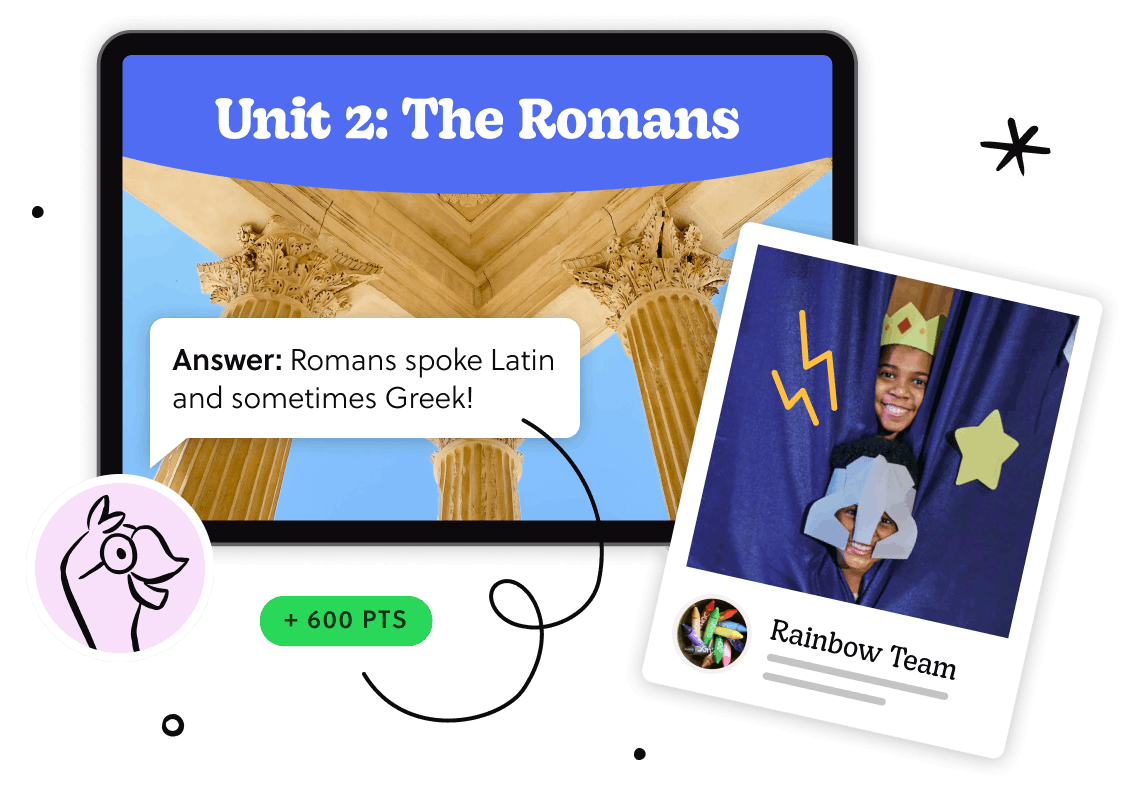
Goosechase is designed to drive engagement and experiential learning—but those same features make it a powerful way to support formative assessment in K-12 classrooms.
By turning learning objectives into interactive Missions, teachers can gather meaningful evidence of student understanding while students stay actively involved in the learning process.
Here’s how Goosechase supports formative assessment:
1. Real-Time Insight Into Student Thinking
With Goosechase, teachers can review student submissions instantly and understand how students are thinking—not just whether they got the right answer.
“Find an example of a right angle in your classroom. Take a photo and explain why it’s a right angle.”
This reveals both conceptual understanding and reasoning.
2. Encourages Creativity and Critical Thinking
Effective formative assessment goes beyond memorization.
With Goosechase, students can:
- Record short explanations of scientific concepts
- Capture real-world examples of vocabulary
- Demonstrate math strategies visually
- Reflect on historical events creatively
Students become active participants in learning, not passive test-takers.
3. Boosts Engagement and Participation
Student engagement is critical for meaningful assessment data.
Goosechase introduces:
- Friendly competition
- Collaboration
- Exploration
- Playful creativity
Even quieter students often participate more when assessment feels interactive and low-pressure.
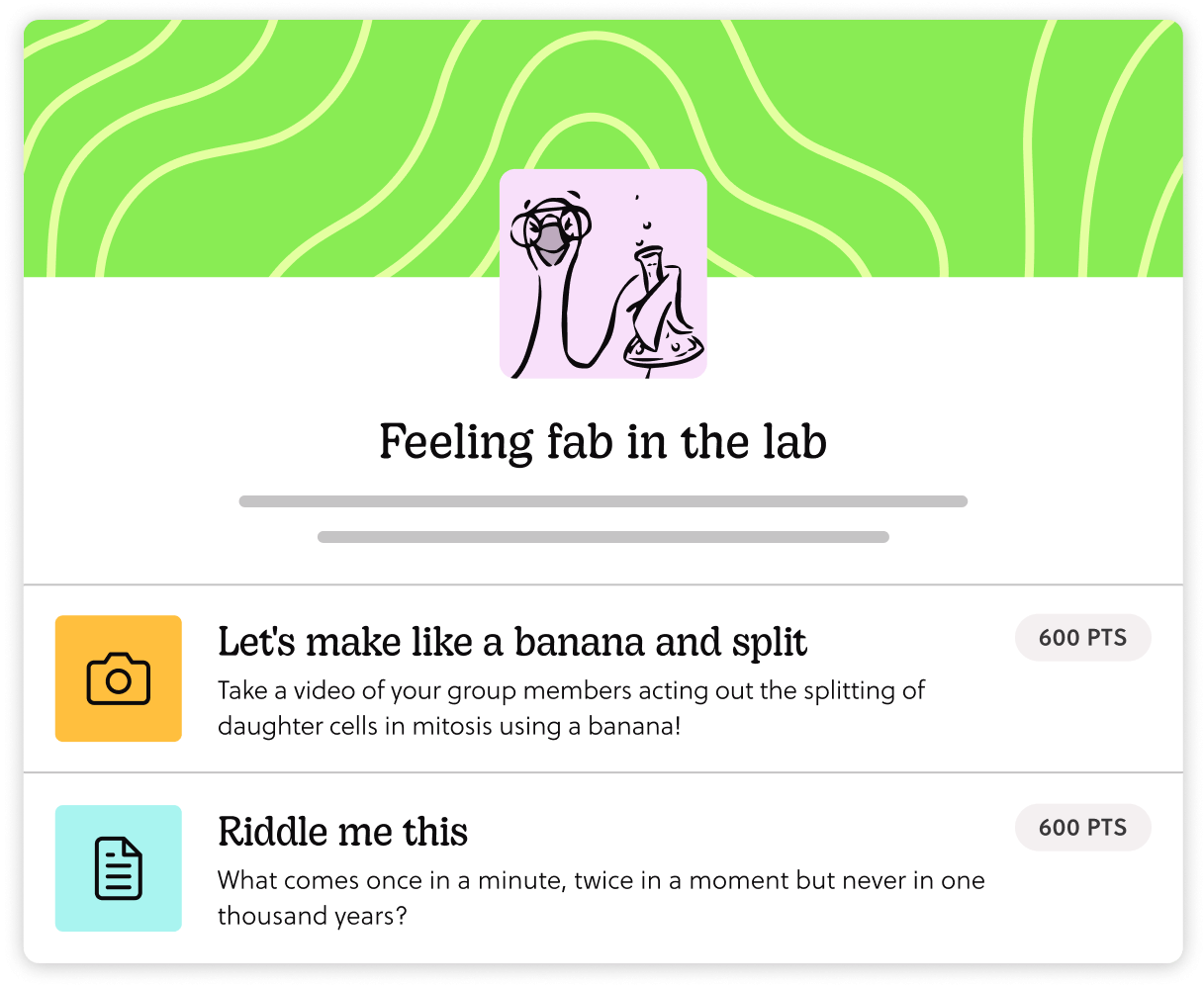
5 Creative Formative Assessment Activities Using Goosechase
1. Concept Scavenger Hunts
Have students find real-world examples of key concepts.
Examples:
- Geometry shapes around the school
- Forces in action
- Parts of speech in books or signs
- Ecosystems in nature
Students submit photos with explanations to demonstrate understanding.
2. Explain-Your-Thinking Missions
Ask students to record short videos explaining their reasoning.
Examples:
- Walk through a math problem
- Explain the water cycle
- Describe a story’s theme
- Teach a vocabulary word
This helps teachers assess thinking processes, not just answers.
3. Exit Ticket Missions
Replace traditional exit tickets with quick, interactive Missions.
Students can:
- Share one thing they learned
- Ask a question
- Create a visual summary
Teachers can quickly identify learning gaps before the next lesson.
4. Peer Teaching Challenges
Students reinforce learning by teaching others.
“Teach someone in your group how to solve today’s math problem. Record a 30-second explanation.”
This builds confidence and deepens understanding.
5. Reflection and Self-Assessment
Reflection is a powerful formative assessment strategy.
Example prompts:
- “What strategy helped you most today?”
- “What challenged you during this lesson?”
- “What question do you still have?”
These insights help teachers address misconceptions and support student growth.
How to Use Goosechase for Formative Assessment (Step-by-Step)
- Create a Goosechase Experience aligned to your lesson objectives
- Design Missions focused on specific learning goals
- Choose submission types (photo, video, text, or GPS)
- Launch the activity with your students
- Review submissions in real time to assess understanding
- Adjust instruction based on student responses.
Tips for Designing Effective Formative Assessment Activities
- Keep Missions Focused: Each Mission should target one clear learning objective.
- Encourage Explanation: Ask students to explain their thinking—not just submit answers.
- Mix Submission Types: Use a variety of formats:
- Photo
- Video
- Text
- GPS check-ins
- Creative responses
- Review as a Class: Highlight strong examples to reinforce learning and build community.
Goosechase vs Traditional Formative Assessment Methods
Goosechase transforms assessment into an experience, not just a task.
| Traditional Formative Assessment Methods | Goosechase |
|---|---|
| Worksheets, quizzes, and exit tickets | Interactive, mission-based experiences |
| Passive responses | Active demonstrations of learning |
| Limited insight into student thinking | Richer insight through photo, video, and text submissions |
| Often feels repetitive | More engaging and experiential |
| Usually completed individually | Can support collaboration and peer interaction |
Making Assessment More Human (and More Fun)
At its core, formative assessment is about understanding students and supporting their growth.
Goosechase makes that process:
- More engaging for students
- More insightful for teachers
- More collaborative for classrooms
By blending meaningful learning with playful exploration, teachers can create experiences students genuinely enjoy—while collecting powerful evidence of understanding.
Who This Is For
This approach is ideal for:
- K-12 classroom teachers
- Instructional coaches
- School administrators
- Educators looking to increase engagement
Key Takeaways
- Formative assessment helps teachers adjust instruction in real time
- Interactive tools increase engagement and participation
- Goosechase enables creative, student-driven assessment
- Students demonstrate understanding in more meaningful ways
Ready to Try Goosechase in Your Classroom?
Goosechase isn’t just for formative assessment. It’s a flexible platform for student engagement, experiential learning, and collaboration across any subject area.
Educators around the world are using Goosechase to bring learning to life while gathering meaningful insights into student understanding.
Start small, experiment with different Mission types, and see how quickly your students begin demonstrating their learning in ways that go far beyond a worksheet.
Click here to create a free Educator Account today.

Frequently Asked Questions About Formative Assessment
What is formative assessment in simple terms?
Formative assessment is a way for teachers to check student understanding during learning so they can adjust instruction immediately.
What are examples of formative assessment activities?
Examples include exit tickets, discussions, quizzes, reflection prompts, and interactive activities like Goosechase Missions.
How can technology improve formative assessment?
Technology tools like Goosechase allow teachers to collect real-time, multimedia evidence of learning and increase student engagement.
Why is formative assessment important?
It helps teachers identify learning gaps early and support student success before final assessments.