History Scavenger Hunt Ideas: Bring the Past to Life with Interactive Learning
A history scavenger hunt transforms traditional lessons into engaging adventures where students actively search for clues, discover historical connections, and explore the past through hands-on activities. Rather than passively reading from textbooks or watching video presentations, students become historical detectives who research primary sources, analyze artifacts, and solve puzzles that reveal the significance of historical events. For educators and institutions planning meaningful history lessons, scavenger hunts offer a creative strategy that sparks curiosity while building critical research skills and historical knowledge.
Why History Scavenger Hunts Transform Learning
Traditional history lessons often struggle to engage students who view the past as distant and irrelevant to their lives. A well-designed history scavenger hunt changes this dynamic by encouraging students to discover the history that surrounds them daily, in their school buildings, local community, library resources, and even museum collections.
The educational power of historical scavenger hunts lies in how they activate multiple learning strategies simultaneously. Students must work in small groups to interpret clues, search physical and digital locations, answer questions about historical facts, and create connections between past events and present-day contexts. This active learning approach helps students think critically about history rather than simply memorizing dates and names.
Research on student engagement shows that hands-on activities where participants explore real-world historical resources produce deeper understanding and longer knowledge retention than passive instruction. When students photograph historical landmarks, research local history sources, or solve historical mysteries using primary documents, the past becomes meaningful and relevant.
Goosechase: The Premier Platform for History Scavenger Hunts
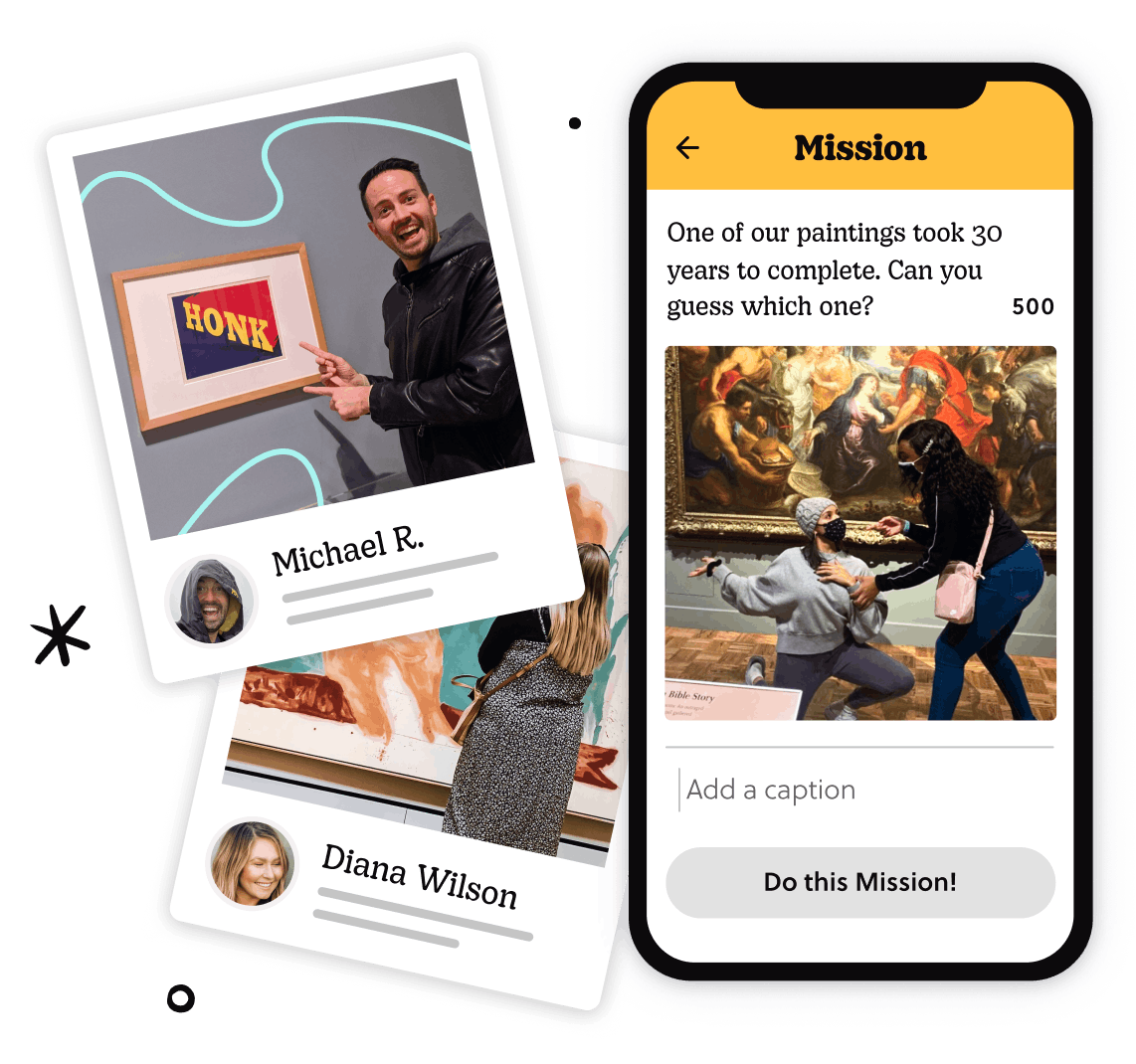
Goosechase stands as the ideal platform for creating history scavenger hunt experiences that truly engage students and bring historical learning to life. Whether planning a classroom activity, museum tour, local history exploration, or virtual scavenger hunt, Goosechase provides the features educators and institutions need to create memorable historical adventures.
Educational Features for Historical Learning
Unlockable Missions for Historical Progression: Goosechase enables educators to create guided historical journeys where students unlock new clues and challenges as they progress through content. A history lesson about westward expansion might unlock railroad-related Missions after students complete pioneer challenges, creating a narrative flow that mirrors actual historical progression.
AI-Powered Content Creation: Planning comprehensive history scavenger hunts requires time for research and clue development. Goosechase's AI tools assist educators in quickly generating historically accurate clues, questions, and challenges aligned with lesson objectives, dramatically reducing planning time while maintaining educational quality.
Template Library with Historical Activities: Goosechase offers ready-to-use history scavenger hunt templates covering various historical periods, local history explorations, museum visits, and research-based activities. Teachers can use these templates directly or customize them to align with specific curriculum standards and student learning needs.
Multimedia Clue Integration: History comes alive through visual and audio resources. Goosechase enables educators to embed historical photos, video clips, audio recordings, and document images within clues, helping students engage with primary sources and historical artifacts in immersive ways.
Features That Engage Students in Historical Discovery
Diverse Challenge Types: Goosechase supports multiple activity formats ideal for history learning, photo submissions documenting historical landmarks, video responses where students explain historical significance, text answers to research questions, location-based GPS check-ins at historic sites, and trivia about historical facts.
Team Collaboration Tools: History scavenger hunts work powerfully when students collaborate in groups to solve clues, share research findings, and discuss historical interpretations. Goosechase's team features encourage this collaborative learning that builds both historical knowledge and teamwork skills.
Real-Time Progress Tracking: Educators can monitor student progress as teams search for clues and complete challenges. This real-time visibility helps teachers assist struggling groups, ensure safety during off-campus activities, and guide learning throughout the experience.
Works Across Learning Environments: Whether hosting an in-person history scavenger hunt at a local museum, creating a school-based activity that explores campus history, or designing a virtual scavenger hunt where students research historical resources online, Goosechase adapts seamlessly to any learning environment.
Creative History Scavenger Hunt Ideas
Whether exploring local history in your community, investigating museum collections, conducting classroom research, or creating virtual experiences, scavenger hunts transform students from passive learners into active historical investigators. Here are proven history scavenger hunt ideas that teachers, museum educators, and community groups use to bring the past to life for students of all ages.
Local History Exploration
Local history scavenger hunts connect students to their community's past through meaningful exploration. Students search for the oldest building in their town, photograph historical landmarks, discover the significance of street names honoring historical figures, or research when local institutions like libraries, schools, or fire stations were established.
Clues might guide students to search census records for population changes, examine historical photographs at the local library, or interview community members about historical traditions and events. These activities help students appreciate how history shaped their present-day community while building research skills using local sources.
A local history activity could include challenges like "Find three buildings constructed before 1900 and photograph their architectural features," "Research the significance of a local landmark and create a 30-second video explanation," or "Discover historical facts about your school's founding and answer questions about its original purpose".
Museum-Based Historical Hunts
Museum scavenger hunts transform passive exhibit viewing into active learning adventures. Students search for specific artifacts that answer clues, photograph objects representing different historical periods, or solve puzzles using information displayed throughout museum galleries.
A natural history museum hunt might guide students to discover Earth's geological history through fossil exhibits, while an art museum activity could have students search for historical paintings from specific periods and analyze the context they reveal. History museums offer rich opportunities for students to examine primary sources, study historical documents on display, and engage with curated collections that tell comprehensive historical stories.
Make sure to create clues that encourage students to read exhibit information critically rather than simply locating objects. Questions like "Find an artifact from the Civil War era and explain its significance to soldiers' daily lives" or "Locate three tools used in 19th-century farming and photograph them with brief descriptions" promote deeper historical thinking.
Classroom and School-Based Historical Activities
Even within school buildings, history scavenger hunts engage students in discovery. Students can search the school library for books published in specific decades, find historical facts in reference resources, or locate information about school history and traditions.
A classroom history scavenger might have students work through station-based clues, search textbook chapters for answers to specific historical questions, or explore digital resources to research historical topics and create presentations. These activities work particularly well as lesson reviews, unit introductions, or enrichment for students who finish assignments early.
Teachers can create simple paper-based lists for students to complete, or use Goosechase to make the activity more interactive with photo submissions, team competitions, and real-time leaderboards that excite students about historical research.
Virtual History Scavenger Hunts
When distance learning requires virtual approaches, digital history scavenger hunts maintain engagement. Students search online archives for historical documents, explore virtual museum tours, research historical figures using reliable sources, or investigate family history through genealogy resources.
Virtual clues might guide students to "Find a primary source document from the Great Depression and explain what it reveals about daily life," "Explore a virtual tour of a historic site and answer questions about its architecture," or "Research a local historical event using library databases and create a brief presentation".
These virtual activities teach essential digital research skills while building historical knowledge, making them valuable even beyond pandemic-related distance learning.
Historical Period-Specific Hunts
Focus scavenger hunts on specific historical eras to reinforce lesson content. An ancient history scavenger hunt might have students decode information about Greek democracy, solve riddles about Roman engineering, or discover facts about Egyptian civilization through progressive clues.
American history hunts could guide students through Constitutional principles, Civil War battles, or civil rights milestones. World history activities might explore trade routes, revolutionary movements, or cultural traditions across different societies. These focused activities work excellently for unit reviews, enrichment, or hands-on lesson supplements that make historical periods memorable.
Bring History to Life with Goosechase
History scavenger hunts represent powerful teaching strategies that transform passive learning into active historical discovery. When students search physical and digital spaces for clues, research historical sources to answer questions, work in groups to solve historical puzzles, and create their own historical interpretations, they develop deeper knowledge and genuine appreciation for the past.
Goosechase provides educators with the template library, AI-powered planning tools, unlockable missions, and flexible features needed to create these transformative history activities without overwhelming preparation demands. Whether you're a classroom teacher, museum educator, librarian, or community group leader, Goosechase adapts to your specific historical content and educational objectives
Ready to engage students through interactive history scavenger hunt experiences? Explore education pricing and discover how Goosechase brings history to life while supporting your curriculum goals. With special rates for schools and educational institutions worldwide, accessing powerful engagement tools for history education has never been more affordable.
What is Goosechase for Educators?
Goosechase is an online platform that helps educators create and run interactive learning experiences in their classrooms and beyond. Sign up and try creating an Experience, or contact us to learn more about our school and district-wide solutions!