Building Memorable Experiences Just Got Easier with New Goosechase Experience Blueprints
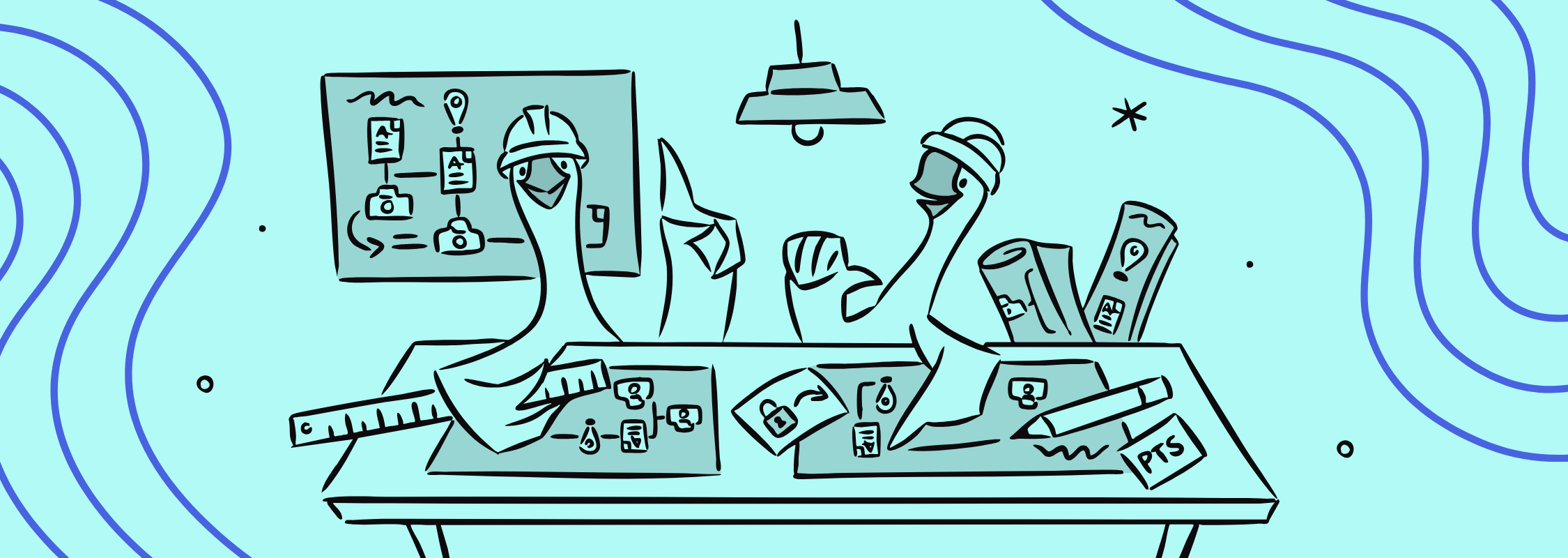
You enter the Goosechase design studio. The room is bustling with energy. The tables are scattered with pencils, rulers, and what you seem to remember protractors looking like. The geese are hard at work on something. A friendly goose in a hard hat waddles up to you…
Table of Contents
- What Are Experience Blueprints?
- Why Use Experience Blueprints?
- What’s included in a Goosechase Experience Blueprint?
- How do I add an Experience Blueprint to my Account?
- Types of Goosechase Experience Blueprints
- Frequently Asked Questions
- Final Honks (Conclusion)
Getting started on any new Experience can be daunting, especially when you are trying to create an interactive experience that engages your participants while also achieving your objectives and outcomes.
Don’t worry, we get it. While we are a creative flock over here, even we know the familiar challenge of getting the ball rolling and trying to envision a whole interactive experience from scratch. That is why we are here to lend a wing and help you take flight faster with our new Experience blueprints!
What are Experience Blueprints?
Experience blueprints are interactive experience templates that provide you with the structural foundation to create thoughtful and dynamic Experiences.
Think of them like floor plans: we provide the layout and flow, and you’re the interior designer who puts your unique spin on the whole thing.
Each Experience blueprint was made with different objectives and outcomes in mind, so there are options for every goal.
These templates can be added directly to your account and will waddle you through how to organize your Missions, design your release times, utilize our unlockable Missions feature and make the most of your creative capabilities on Goosechase.
Why Use Experience Blueprints?
Creating an interactive Experience from scratch can feel overwhelming, especially when you're juggling outcomes, participant engagement, and the overall flow of Missions. Experience Blueprints remove the guesswork by giving you a solid foundation to build on. They help you move from idea to launch faster.
Whether you’re an educator designing a classroom challenge, an HR leader building an onboarding journey, or an event organizer planning a scavenger hunt or community activation, Blueprints help you save time without sacrificing creativity. Each template includes a pre-designed structure, logic, and pacing, so you can focus on personalizing the content rather than trying to engineer the framework.
Experience Blueprints also ensure consistency and quality across Experiences. Because each one is crafted by our Goosechase team, you can trust that the Mission flows make sense, the logic works, and the engagement loops keep participants coming back.
Most importantly, Experience Blueprints give you the freedom to customize everything. Swap Missions, add new twists, apply your branding, or redesign pathways to fit your goals. You get inspiration, structure, and flexibility, all in one tidy (and feathery) package.
What is included in a Goosechase Experience Blueprint?
- Pre-designed Mission structure
- Built-in logic and sequencing
- Mission content guidance
- Suggested use cases
How do I add an Experience Blueprint to my Account?
Like any Goosechase template, the process of adding an Experience blueprint to your account is simple!
How to add an Experience template to Goosechase:
- Make sure you are logged into your account in the studio or create an account here.
- Continue reading this article (trust us, it's worth it) until you reach the list of Experience blueprints.
- Find the Experience blueprint or blueprints that work for you and click “view this template.”
- Click the blue “Copy this template” button to copy a Goosechase blueprint
- Honk (or as the French would say… voila). Go forth and use mission templates
Types of Goosechase Experience Blueprints
Below you will find a brief overview of each Experience blueprint we currently offer and its suggested use cases. You will also find direct links to add any of these blueprints to your own account. These Experience Blueprints can support everything from scavenger hunt templates to team-building experience ideas, university orientations, community events, and more.
So, without further ado, freshly hatched, here are the Goosechase Experience blueprints:
Alternatives to Points-Based Experiences
If you aren’t looking to create competition, these options are for you.
This Experience blueprint was designed without points in mind. This blueprint is more focused on the outcomes of teamwork and encouraging participants to complete every Mission.
🔓 Crack the Code
People say they don’t like surprises, but everyone likes surprises.
What it is:
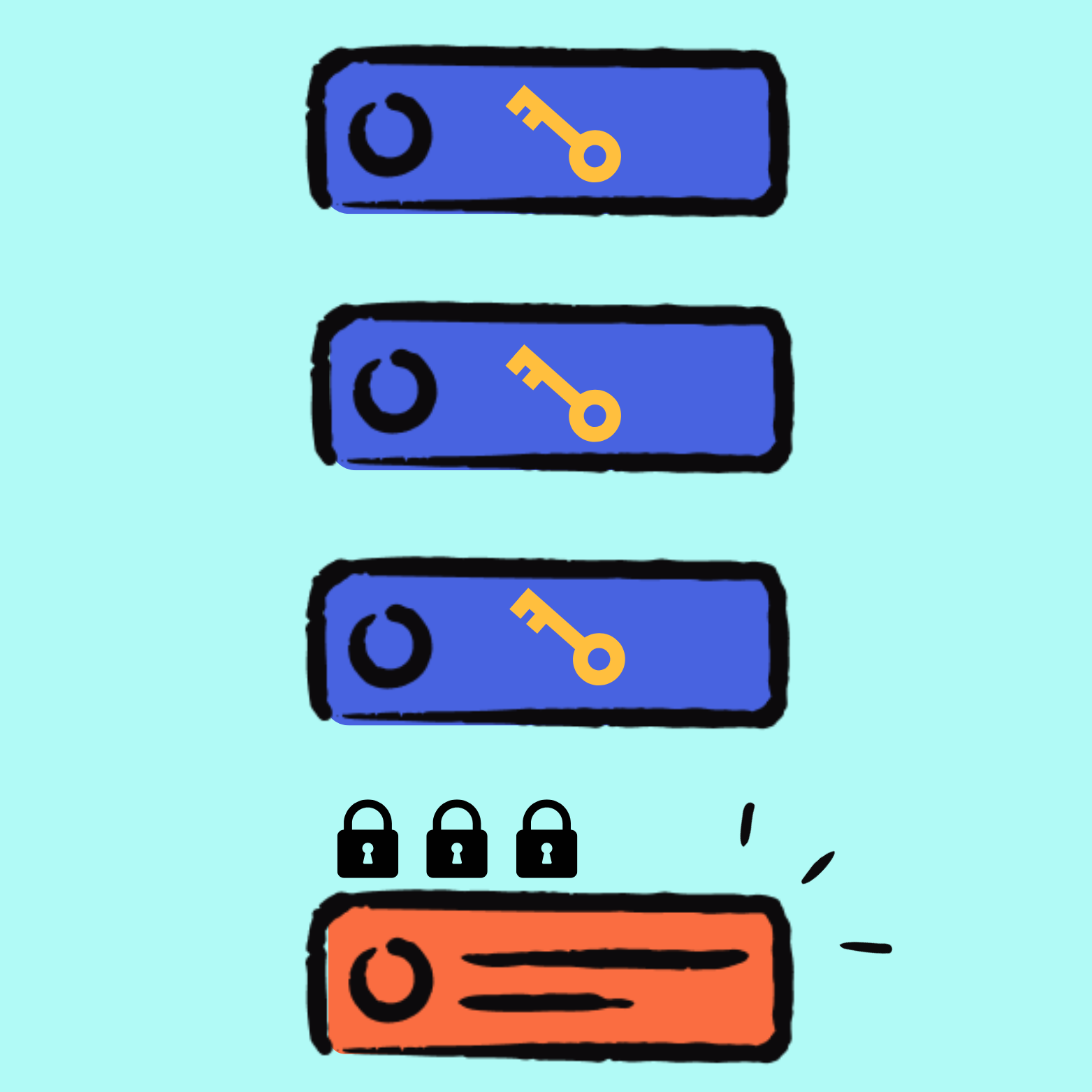
An Experience where completing every Mission unlocks a final surprise or reward for the participants. Rather than getting the most points, the point 😉 is completion.
Best for:
- Onboarding & orientation
- Interactive onboarding experiences
- Team-building
- Tours, tourism & guided experiences
How it works:
- Create multiple Mission pathways for participants to complete.
- Each pathway ends with a clue.
- Collecting all clues allows participants to solve the final Mission.
- The final Mission reveals a surprise (did somebody say ice cream party?).
Example:
First-year students split up in teams to explore the campus and collect clues. At the end, the clues reveal the location of a surprise frosh dance party!
Crack the Codes
Style: Have participants collect clues to unlock the next set of Missions and combine all the clues for the final Mission! Use cases: Onboarding/Orientation, team-building, escape room or tours
Scheduled Experiences
If you want to run engaging Experiences for longer durations, these blueprints can help.
These Experience blueprints were delicately crafted with the goal of keeping participants engaged during longer Experiences. They will provide you with different solutions to schedule your Missions and keep participants playing long-term.
📅 Weekly Releases
Keep them coming back for more!
What it is:
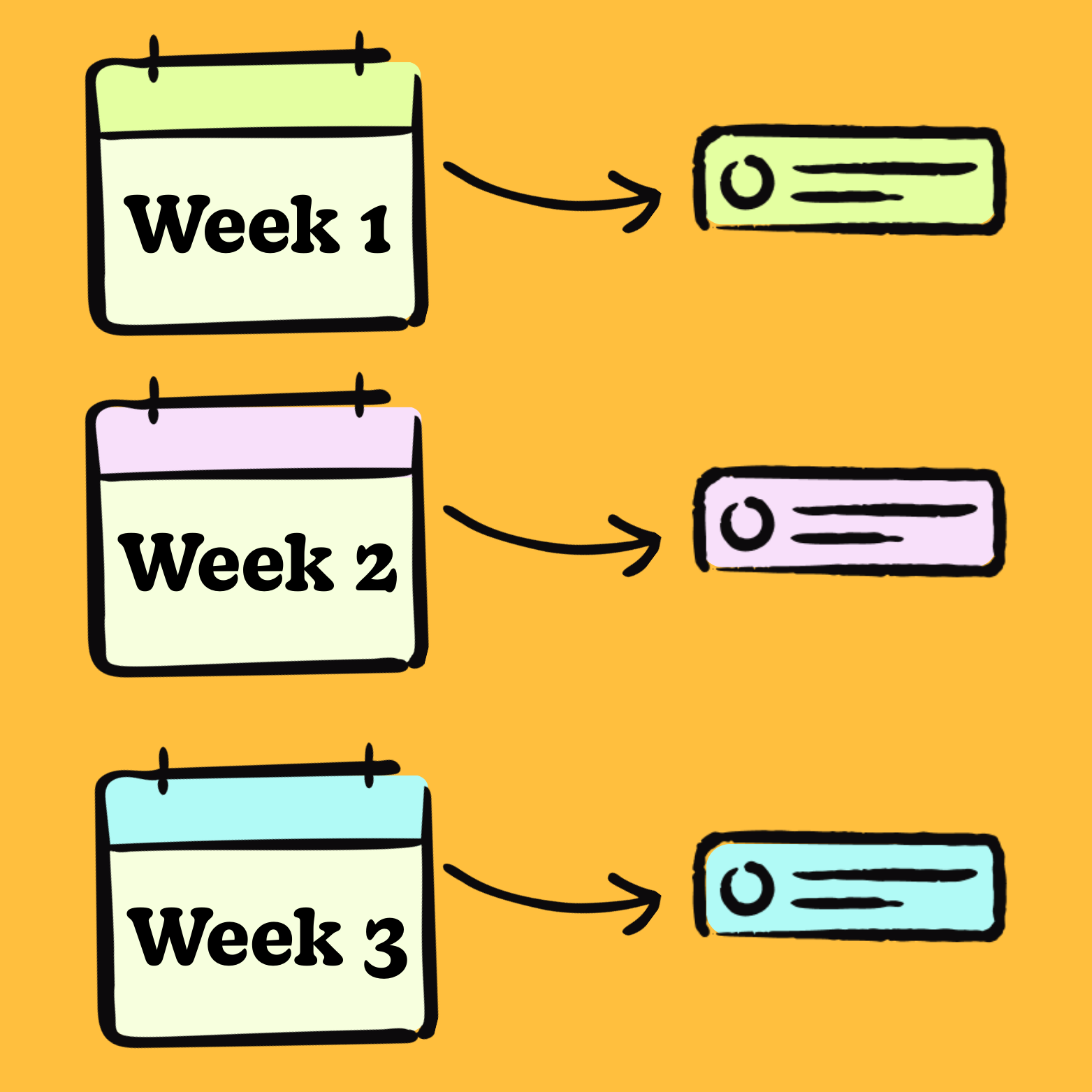
In this blueprint, new Missions are released weekly to drive ongoing participation, foster community, or build anticipation.
Best for:
- Wellness programs
- Learning series
- Team-building
- Community engagement
How it works:
- Schedule 1 Mission per week over 6–10 weeks (or longer).
- Each Mission drops at the start of the week.
- Participants return weekly to complete the new challenge.
Example:
You are onboarding new employees over the course of a couple of months. Each week you release a Mission to help them reflect on or demonstrate what they learned that week.
Weekly Releases
Style: Release 1 new Mission per week to keep participants engaged over a longer period. Use cases: Wellness programs, learning series, team building, or community engagement.
☀️ Daily Releases
A Mission a day keeps the boredom away!
What it is:
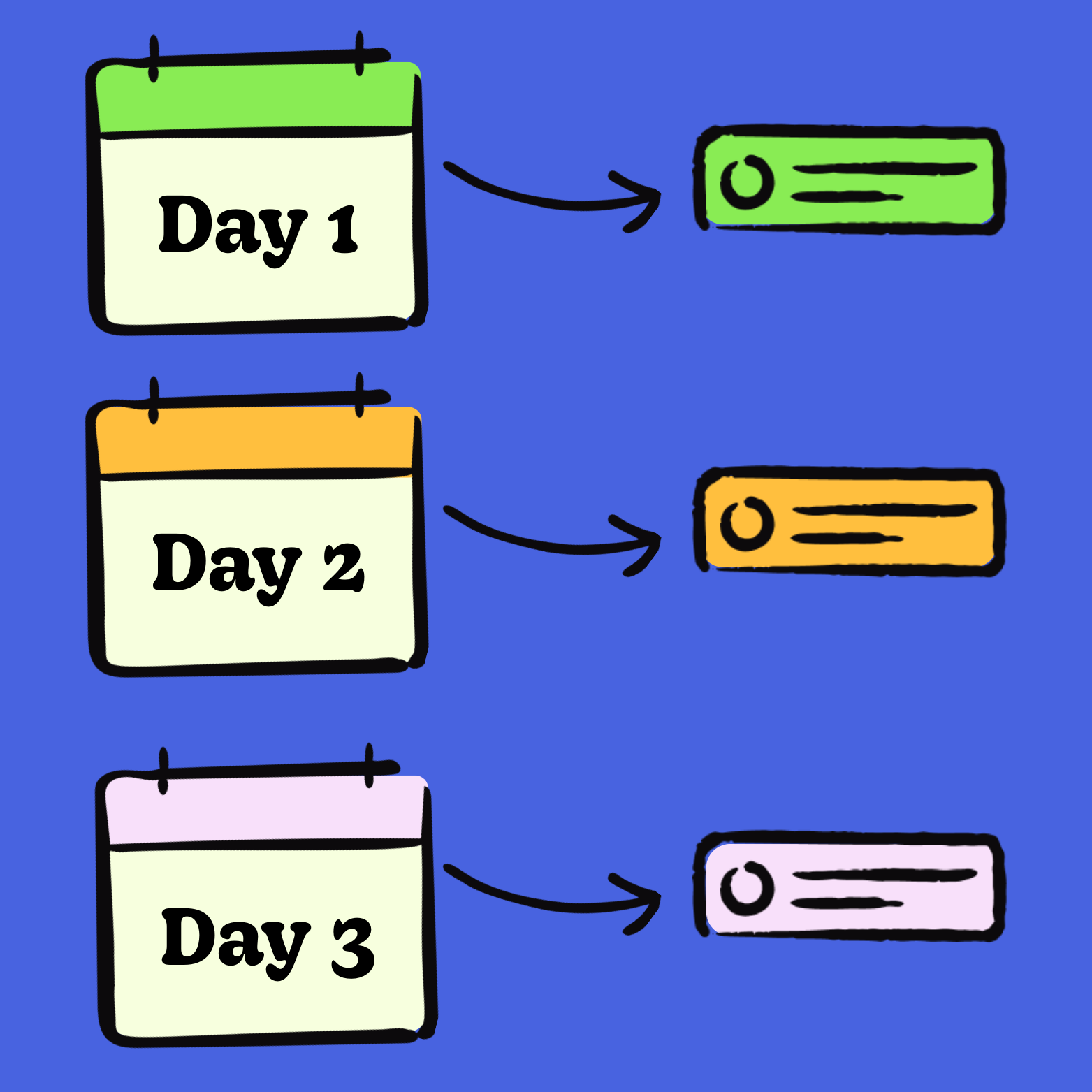
This Experience is designed for participants to get a new Mission every day for 14 days, encouraging daily engagement and routine.
Best for:
- Wellness challenges
- Seasonal challenges (ie. interactive advent calendar)
- Team engagement
- Orientation weeks
- Museums or library programs
- Remote learning
How it works:
- Unlock one new Mission each day for 14 days.
- Participants return daily to complete the challenge.
- Builds momentum through consistent, bite-sized activities.
Example:
You are trying to teach your physical education students healthy exercise habits. Each day, you give them a new fitness Mission to complete to reinforce healthy habits.
Daily Releases
Style: Release 1 Mission daily for 14 days. Use Cases: Wellness challenges, team engagement, orientation weeks, museum/library programs, or remote learning.
Participant Choice Experiences
If you want to put the power in your participant’s hands, look no further.
For this range of our Experience blueprints, it's all about the different Experiences within an Experience. Here, participants have more autonomy over how they want to engage with the Experiences and what type of Missions they want to receive.
🎯 Mission Sets
An Experience doesn’t need to focus on only one topic. Sometimes the more, the merrier.
What it is:
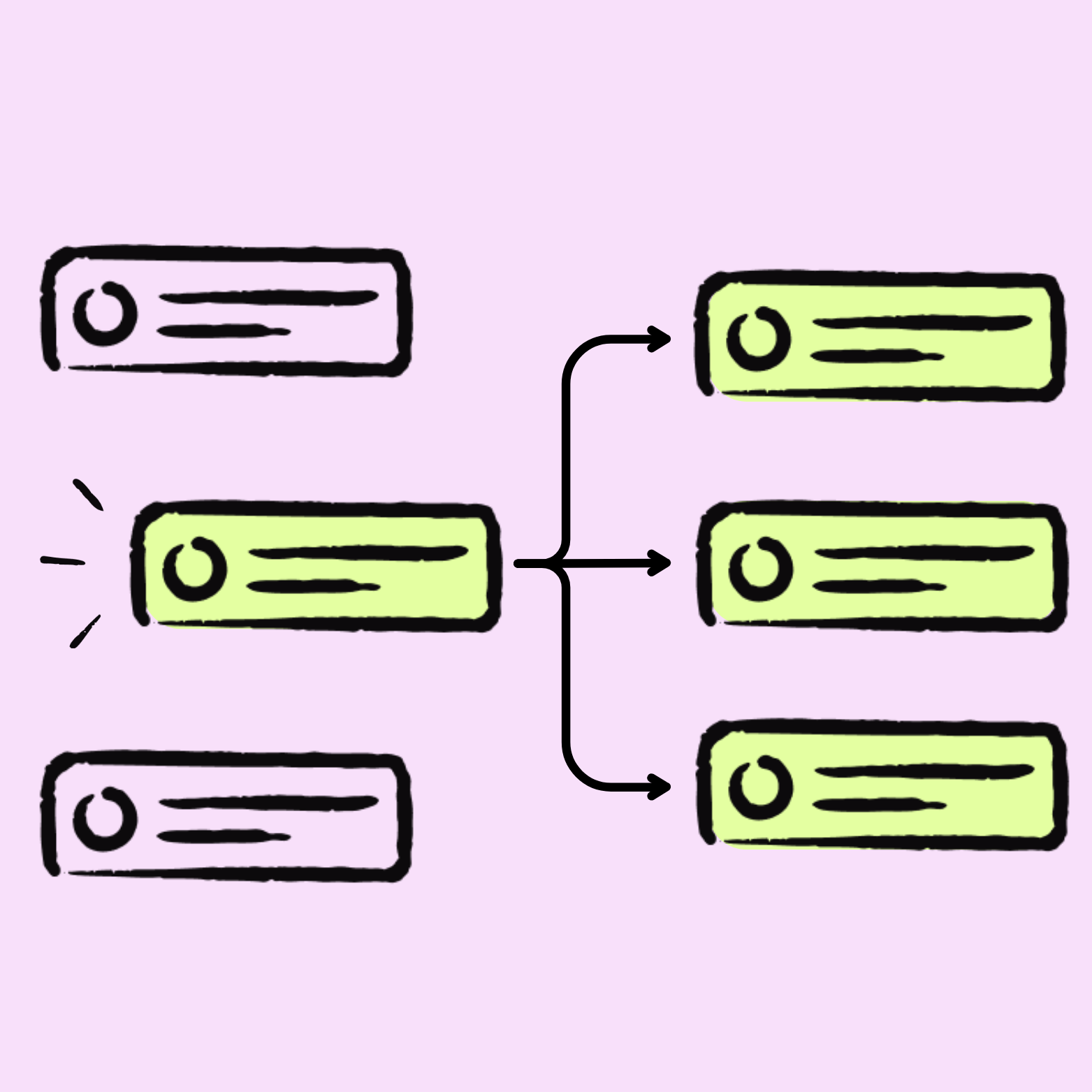
An Experience where participants pick a central topic to explore, unlocking a unique set of Missions based on their choice.
Best for:
- Orientation
- Museum exploration
- Conferences
- School curriculum
- Self-guided tours
How it works:
- Create central Missions, each representing a different topic.
- Completing one central Mission unlocks a set of related Missions.
- Participants follow the path that matches their chosen topic.
Example:
At a museum, visitors choose between Missions on the topics of fossils or ancient artifacts. The topic they choose unlocks further Missions based on that topic and will guide them through the correct galleries and exhibits.
Mission Sets
Style: One main Mission unlocks a set of Missions. Each set of Missions can be a different theme or topic. Use Cases: Orientation, Museum exploration, Conferences, School Curriculum.
⚖️ Choose Your Difficulty
Guaranteed fun for groups of all ages and skill levels.
What it is:
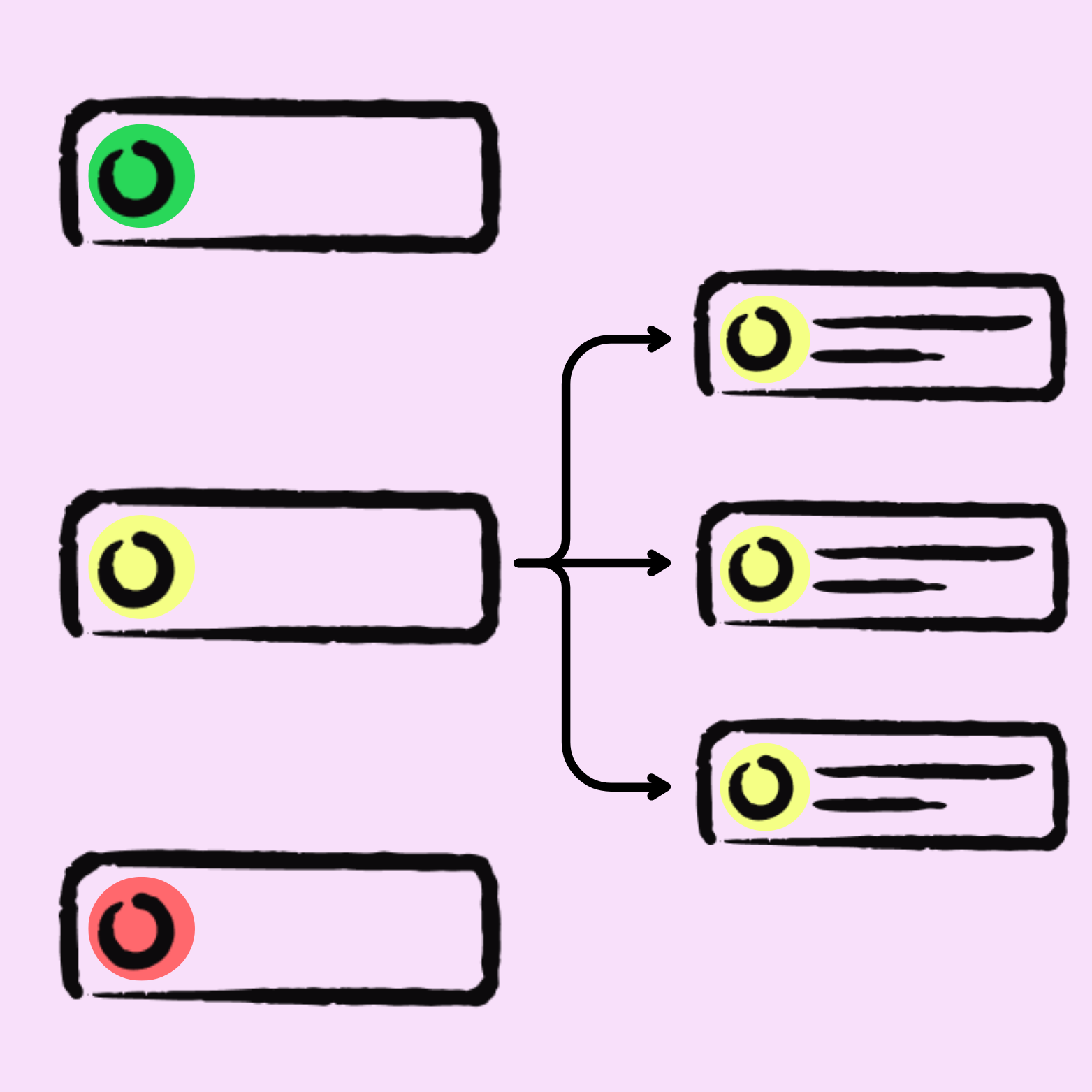
Here, participants select their preferred difficulty level at the start of the Experience, unlocking Missions tailored to that choice, all leading to the same reward.
Best for:
- School-wide events
- Fairs or festivals
- Community events
- Fundraisers
How it works:
- Offer starting Missions at different difficulty levels (easy, medium, hard—or even duck, bird, goose 🦆🐦🪿).
- Completing the starting Mission unlocks more Missions at that difficulty.
- All levels converge at the same endpoint, ensuring equal rewards.
Example:
During a fall fair scavenger hunt, visitors can choose to play at beginner, intermediate, or expert levels. No matter which path they take, everyone arrives at the same final reward.
Choose your Difficulty
Style: Have different age groups or skill levels? Let them choose their level of difficulty for the Missions! Use Cases: School-wide events, Fairs or Festivals, Events, Fundraisers.
Teamwork Oriented Experiences
You have probably heard that teamwork makes the dream work; these blueprints put that to practice.
We know teamwork is a big part of Goosechase, which is why our flock designed this fleet of Experience blueprints to build stronger teams. These blueprints were made with the intention of making sure everyone on the team has a chance to participate and contribute towards a larger goal.
🧩 Team Roles
Time to divide and conquer!
What it is:
In this Experience participants take on different roles within a team, each with their own Missions and responsibilities.
Best for:
- Team-building
- Group learning projects
- Leadership exercises
- Fieldwork
How it works:
- Assign each participant a role (e.g., Strategist, Explorer, Documenter).
- Each role comes with unique Missions—ranging from text to photo to GPS challenges.
- While roles handle their own tasks, the whole team collaborates on main Missions.
Example:
In a leadership workshop, one participant acts as the Strategist (solving puzzles), another as the Explorer (navigating via GPS), and another as the Documenter (capturing photos). Together, their contributions complete the team’s main Mission.

Team Roles
Style: Participants are split into roles, with each role receiving a unique set of Missions. Use Cases: Team-building, group learning projects, leadership exercises, fieldwork.
🔐 Escape Room
Do you have what it takes to break free?
What it is:
Inspired by classic escape rooms, participants solve one puzzle and unlock the next puzzle in a sequence. Think of it like a virtual escape room.
Best for:
- Team-building
- K-12 or Higher Ed classroom challenges
- Themed adventures
- Escape room–style events
How it works:
- Set up a chain of puzzles or Missions, each response unlocking the next.
- Add a time limit for extra suspense and urgency.
- Works best with small teams to maximize collaboration and communication.
Example:
An after-hours company event where teams of coworkers solve riddles and decode clues—each correct response brings them one step closer to “escaping” before the timer runs out.

Escape Room
Style: A sequential, unlock-as-you-go Experience where each Mission leads to the next clue or challenge [No GPS]. Use Cases: Team-building, Classroom challenges, Themed adventures, Escape room
Guided and Narrative Experiences
If you want to take your participants through a memorable pre-designed route, look no further.
For our last collection, we present you the Guided/Narrative Experience blueprints. This structure works beautifully for museums, historic walks, and self-guided tour templates. Whether it's helping participants move from novice to expert or from point A to point B, these blueprints were made with fantastic journeys in mind.
🗺️ Follow the Clues
Where will the path lead?
What it is:
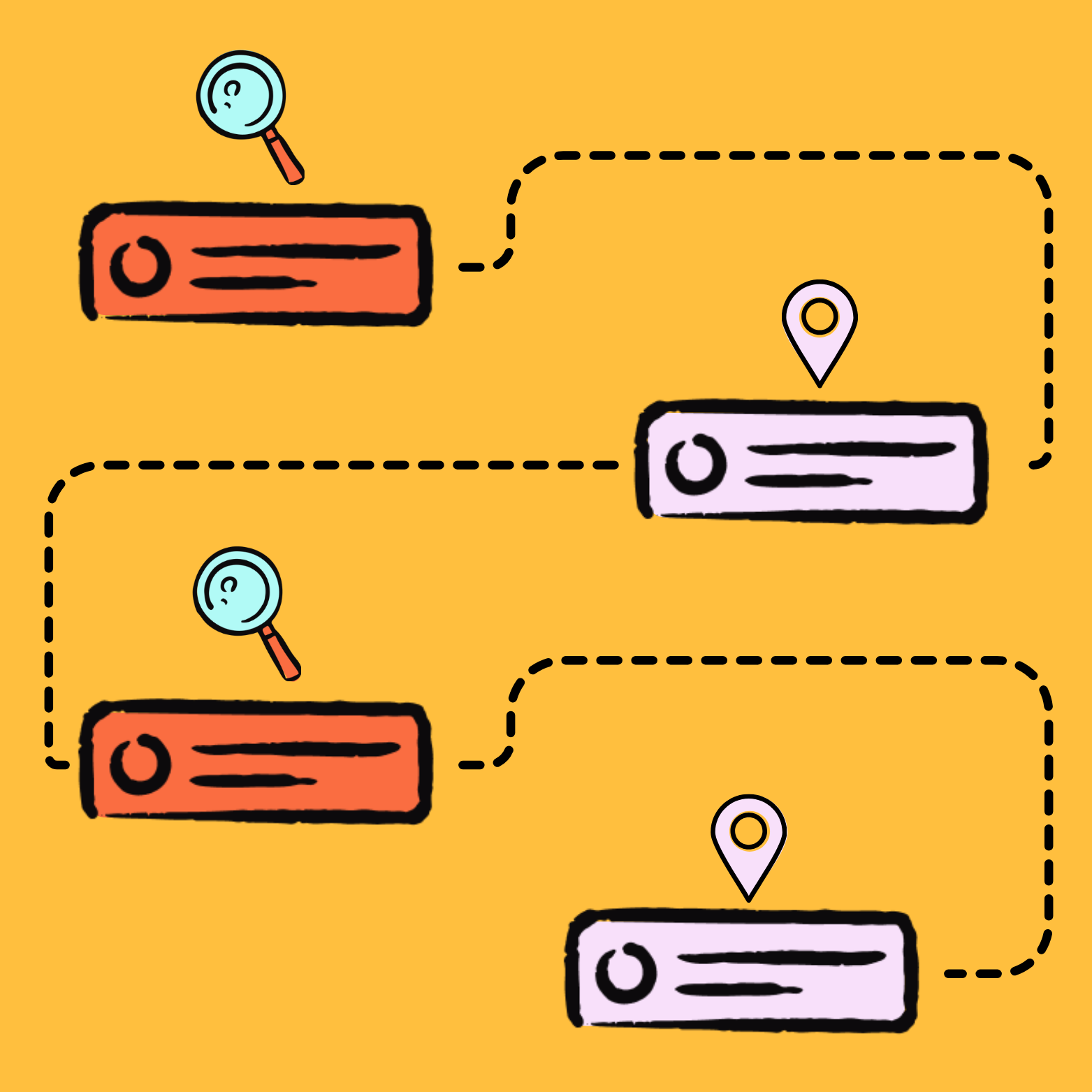
An Experience where participants follow a trail of clues instead of directions, each one leading them to a new location and challenge.
Best for:
- Scavenger hunts
- Historical tours
- Self-guided tours
- Trail exploration
How it works:
- Participants solve a clue to discover their next destination.
- Upon arrival, they check in using a GPS Mission.
- Each GPS Mission unlocks a new Missions to complete in that destination before continuing.
Example:
On a historical tour, teams solve a riddle that guides them to a landmark. Once there, they check in via GPS and unlock a trivia question or photo Mission about the site—then move on to the next stop.
Follow the Clues
Style: Lead participants to locations using clues instead of directions, completing an action at the location to unlock their next clue! Use Cases: Scavenger Hunts, Historical Tours, Trail exploration
➡️ Checkpoint Challenge
Where you lead, I will follow.
What it is:
A blueprint where each completed Mission unlocks the next, guiding participants step by step through a structured journey.
Best for:
- Tours
- Scavenger hunts
- Field trips
- Amazing Race–style events
- Onboarding
How it works:
- Missions are arranged in a fixed sequence.
- Completing one Mission unlocks the next in line.
- The structure creates momentum and a clear narrative from start to finish.
Example:
On a field trip, students begin with a welcome Mission, then move through a series of location-based challenges—each one revealing the next stop—until they reach the final destination.

Checkpoint Challenge
Style: A linear Experience where participants complete a task at each location, alternating between Text and Camera. Use Cases: Tours, Scavenger hunts, Field trips, Amazing Race, Onboarding
📈 Increasing difficulty
Cue the training montage.
What it is:
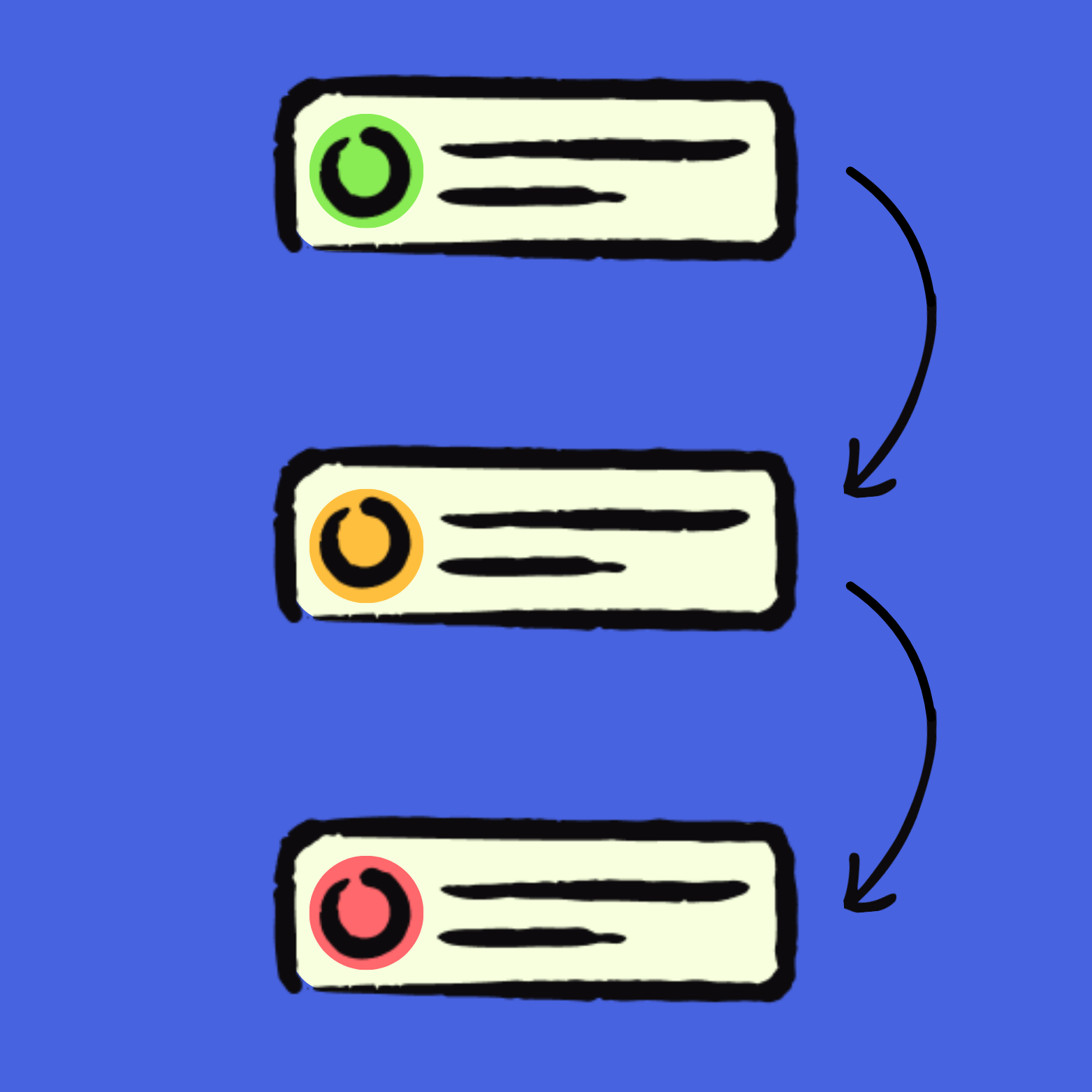
Here, the Missions get progressively harder—easy to medium to hard—with points increasing at each level.
Best for:
- Competition formats
- Skill progression
- Test-your-knowledge series
How it works:
- Participants start with easy Missions.
- Completing one level unlocks the next, with increasing difficulty.
- Higher difficulty = higher points, rewarding progress.
Example:
In a trivia tournament, players begin with simple questions worth 10 points, unlock medium-level questions worth 20 points, and finish with expert-level challenges worth 30 points.
Increasing Difficulty
Style: Missions get harder as players progress, starting with easy Missions progressing to medium and hard Missions. Use Cases: Competition formats, skill progression, test-your-knowledge series
FAQs
What are Goosechase Experience Blueprints?
Goosechase Experience Blueprints are ready-made templates that give you a structured foundation for building interactive Missions. Each Blueprint includes pre-designed pathways, pacing, and logic to help you create an engaging Experience, whether it’s for team-building, education, onboarding, tours, or community events.
How do I customize a Goosechase blueprint?
Once you copy a Blueprint into your Goosechase account, you can edit it just like any other Experience. Add or delete Missions, change difficulty levels, adjust scheduling, or apply your branding. Every Blueprint is fully customizable, so you can tailor it to your objectives.
Are Experience Blueprints free?
Yes! All Goosechase Experience Blueprints are free to use. Simply log into your Goosechase account, browse the available Blueprints, and copy any of them directly into your studio to start customizing.
Can I use blueprints for team-building?
Absolutely. Many of our Blueprints are designed with team-building in mind. They encourage communication, collaboration, problem-solving, and shared accomplishment, whether your group is in person, hybrid, or fully remote.
Do blueprints work for classrooms?
Yes! Blueprints can be used by teachers and educators across K–12 and higher ed. They help streamline activity planning, reinforce curriculum through interactive challenges, promote teamwork, and keep learners engaged. Options like Mission Sets, Follow the Clues, or Collaborative pathways work especially well in classroom settings.
Final Honks
*You leave the Goosechase design lab with some blueprints tucked under your arm and feeling inspired. You turn and wave to your goose guide. You are sad to leave, but no need to feel blue, our geese are always working on new designs to keep you coming back.
So there you have it! These blueprints are just one way we’re helping creators streamline interactive experience design on Goosechase.. Hopefully, you found one you love above. But if not, no sweat, there will be more to come in the future. If you have any questions or have template ideas of your own, feel free to email us at hi@goosechase.com and our flock would be happy to assist!