From Competition to Community: The Evolution of a Long-Term Engagement Campaign
Planning a year-long outdoor initiative can feel a little like setting off on a hike without a trail map. You know where you want to end up. You just don’t know which turns will lead to breathtaking views and which will send you scrambling uphill.
For the Forest Preserve District of Will County, the Take It Outside Challenge began as a bold experiment in outdoor community activation. What followed was not just growth, but the evolution of an outdoor engagement campaign designed for long-term community participation.
Four years later, the campaign looks different. Smarter. More sustainable.
Here’s how this engagement campaign evolved and what it reveals about building a scalable, long-term engagement strategy.
Year 1: When Competition Sparks Momentum
In its first year, Take It Outside leaned heavily into competition.
Participants earned points. Leaderboards mattered. Top finishers received tiered prizes. Hidden Easter eggs were scattered throughout preserves.
And the response was immediate.
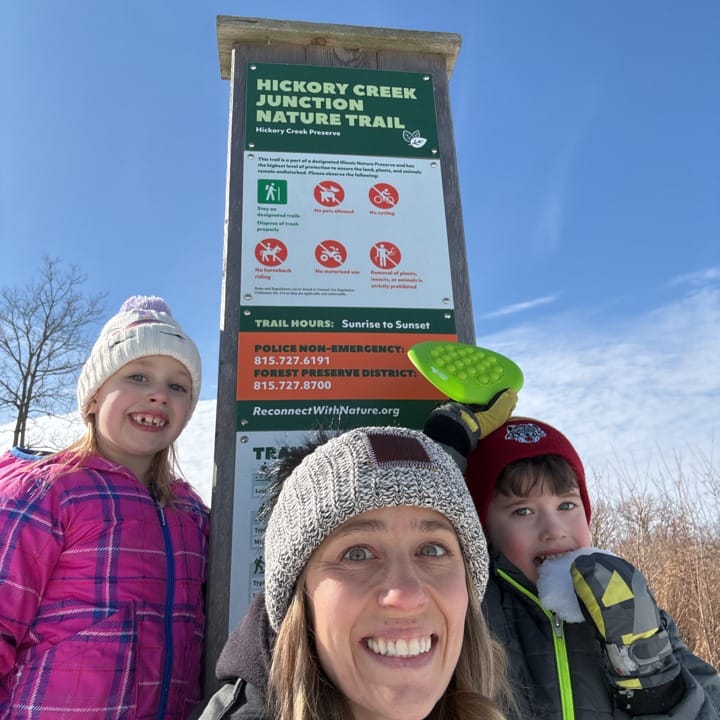
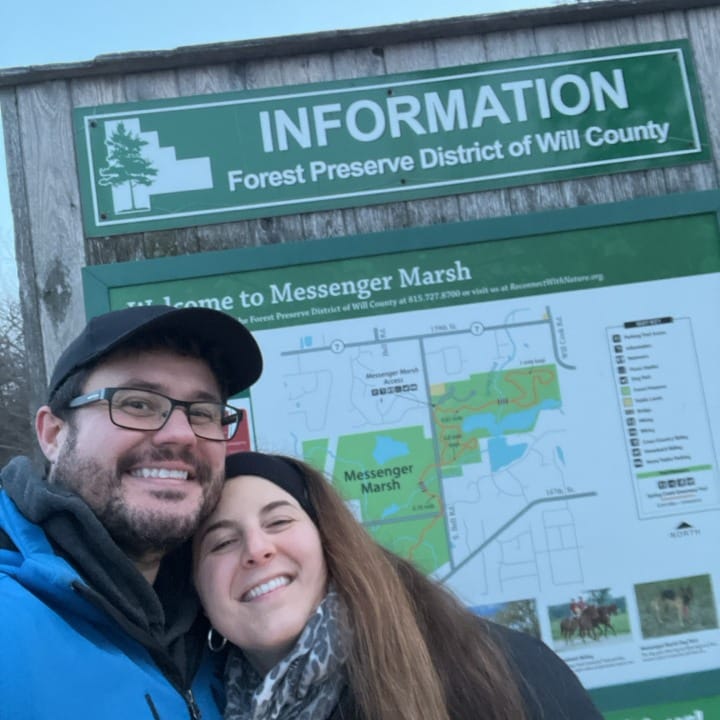
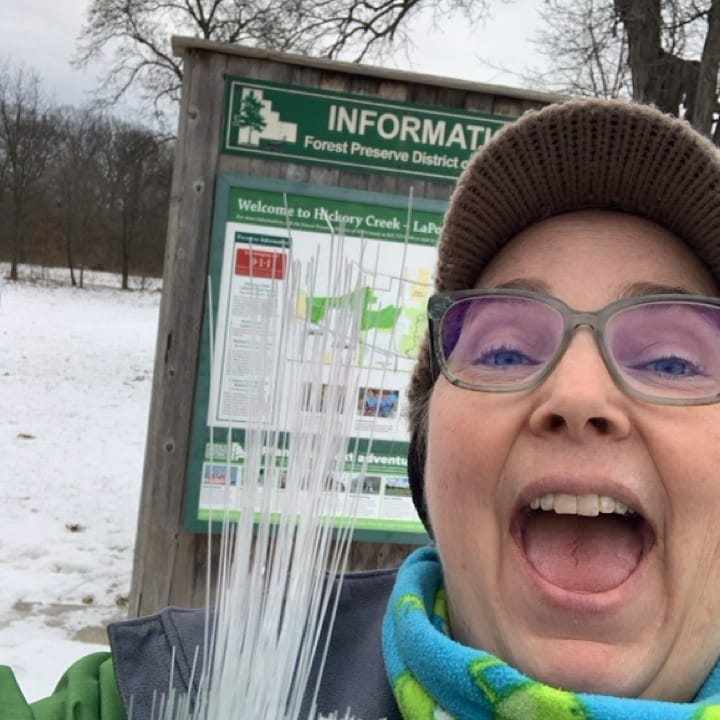

Participation surged. People explored new trails. They strategized. They formed rivalries. The competitive framework fueled early adoption and high-intensity engagement.
From an engagement campaign design perspective, competition worked.
But it also revealed something important about the evolution of engagement campaigns: what drives initial growth is not always what sustains long-term participation.
“We didn’t think people would be so hardcore about the competition,” said Chad Merda, Digital Communications Manager at Forest Preserve District of Will County. “We had people saying they were losing sleep over it. That wasn’t the goal.”
Competition created excitement.
But it also created pressure.
Year 2: Scaling Community Engagement Reveals Friction
By the second year, the outdoor engagement campaign was clearly resonating. Participation remained strong, and the community was invested.
But as the campaign scaled, stress points surfaced.
- Verifying every Mission became operationally heavy
- Highly competitive participants unintentionally discouraged casual users
- Messaging for late joiners became more complicated
- Staff workload increased significantly
This is a common inflection point in the evolution of engagement campaigns. Year one proves the concept. Year two tests sustainability.
The Forest Preserve District didn’t ignore these signals. They actively collected feedback through surveys, meetups, and direct communication.
Instead of asking, “How do we make this bigger?”
They asked, “How do we make this sustainable?”
That shift in thinking marked the beginning of a more intentional long-term engagement strategy.
Year 3: Designing a Sustainable Engagement Model
The most significant evolution came when the campaign was restructured and rebranded as Be a Trailblazer.
The goal stayed the same: increase awareness of preserves and inspire outdoor exploration.
The mechanics changed.
From Competitive Structure to Accessible Participation
The biggest pivot in the evolution of this engagement campaign was moving away from prize placement as the primary motivator.
“All prizes are completely random draw,” Chad explained. “It doesn't matter if you do 500 Missions or 100. You still have a chance to win.”
The leaderboard still exists, but it no longer determines rewards.
This design shift transformed the campaign into a more inclusive, year-long engagement campaign built for consistency rather than intensity.
It:
- Reduced pressure for late joiners
- Made participation more appealing to families
- Encouraged ongoing exploration instead of sprint-style behavior
- Shifted focus from winning to experiencing
In the broader evolution of engagement campaigns, this reflects a growing trend: sustainable engagement models prioritize accessibility over competition.
From Seasonal Structure to Continuous Flow
Take It Outside has always been year-long. What evolved was how it functioned internally.
Instead of separate seasonal experiences requiring re-enrollment, Be a Trailblazer now operates as a single, continuous Goosechase Experience with expiring Mission batches.
Participants join once. Missions refresh. Engagement continues.
This refinement reduced friction and improved clarity; two essential elements in long-term engagement campaign design.
Scaling community engagement often depends less on adding features and more on simplifying structure.
From Manual Oversight to Scalable Systems
Early on, staff verified every Mission submission. As participation grew, this process became unsustainable.
The shift to an honor system, verifying only prize-selected entries, dramatically reduced administrative strain.
This change illustrates another important stage in the evolution of engagement campaigns: operational maturity.
A scalable engagement campaign must support growth without multiplying workload at the same rate as participation.
Trust became part of the model.
And it worked.
From Gamification to Community Identity
Perhaps the most meaningful shift wasn’t structural. It was cultural.
Participants began forming friendships. Meetups evolved into social gatherings. Groups organized Mission days together.
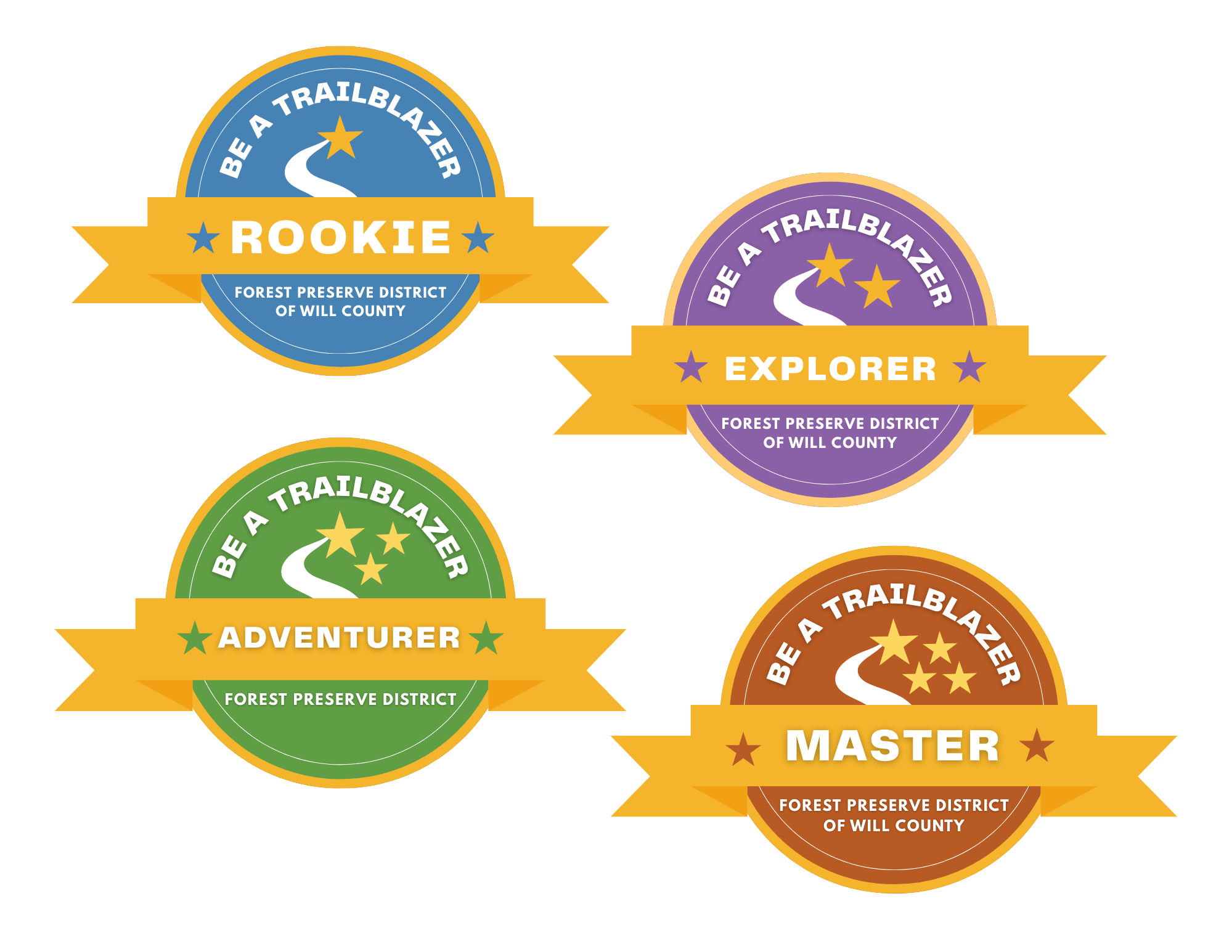
The campaign introduced milestone pins, not as competitive trophies, but as recognition markers within the community. This marks a deeper stage in engagement campaign evolution: when participation becomes identity.
The Experience stopped being just a challenge.
It became part of how people interacted with their local environment and with each other.
What This Evolution Teaches About Long-Term Engagement Campaign Design
The Take It Outside journey offers broader insight into how engagement campaigns scale successfully.
- Competition Sparks Growth, But Accessibility Sustains It
Competition can drive early excitement. But long-term engagement requires removing barriers and broadening participation. - Year-One Success Requires Iteration
The evolution of an engagement campaign is not linear. Each year reveals friction that must be addressed to maintain momentum. - Simplicity Enables Scale
When participation rates climbed, it wasn’t because the Missions got harder. It was because the structure became clearer and more flexible. Simplicity is a powerful long-term engagement strategy. - Sustainable Engagement Models Prioritize Process
Operational changes — like streamlined verification — are just as important as Mission creativity. A scalable engagement campaign balances participant experience with staff sustainability. - Identity Outlasts Incentives
Four years in, participants are still returning.
Not just for prizes. But for:
- Discovery
- Habit-building
- Community
- Belonging
That is the highest stage in the evolution of engagement campaigns.
The Bigger Picture: Evolution Is the Strategy
“People are still doing it after four years,” Chad reflected.
In a digital world full of one-off campaigns, that kind of longevity matters.
The Take It Outside campaign did not succeed because it launched perfectly.
It succeeded because it evolved into a sustainable, scalable engagement campaign designed for long-term community impact.
The evolution of engagement campaigns is not about constant expansion.
It is about refinement.
And refinement builds resilience.
For Organizations Designing Their Own Engagement Campaigns
If you are building a long-term engagement campaign, here are the principles this evolution reinforces:
- Design for accessibility, not just excitement
- Expect iteration and build feedback loops
- Simplify structure before scaling complexity
- Align operational systems with growth
- Build identity, not just incentives
Because when engagement becomes habit, and habit becomes community, you are no longer running a campaign.
You are building a sustainable engagement model.
Where experience is everything.