The Government Program That Changed How 74% of Participants See Their Own Streets
Ada County Highway District (ACHD, for short) is the local government agency responsible for building and maintaining roads, sidewalks, bike paths, and other infrastructure across the Boise, Idaho and surrounding area. Most residents never thought about the people working behind the scenes of their neighborhood…until Walk Bike & Ride gave them a reason to.
How Can Community Programs Reach Busy Residents?
ACHD Commuteride's Walk Bike & Ride program is a three-year, grant-funded neighborhood engagement pilot program with a simple premise: help residents discover other ways of getting around, whether that's walking, biking, skateboarding, or the bus. Each summer of the three-year pilot, it landed in a new neighborhood, reaching roughly 10,000 households with a welcome kit and biweekly events each tied to a mode of transportation. A food truck shows up every time, making it feel less like a community meeting and more like a genuine Tuesday evening event - with real experts, and the chance to get real experience.
The first year worked. But Rebecca Barr, who runs Walk Bike & Ride, kept circling back to the same problem. "We had events every other week, but there was nothing else," she said. "If they couldn't make it to the event, they couldn’t really participate." Residents who missed events had no other way in. Rebecca wanted something that could carry the momentum between events and create a buzz around town. She was looking for something self-directed enough that people could take part on their own schedule, in their own way.
Choosing the Right Community Engagement Platform: What Made the Difference
Rebecca had the idea to run a community scavenger hunt, but wanted something digital to reach across a neighborhood without anyone needing to print or laminate a single clue card. She evaluated multiple digital platforms before landing on Goosechase.
What Is Goosechase, and How Did This Government Agency Use It?
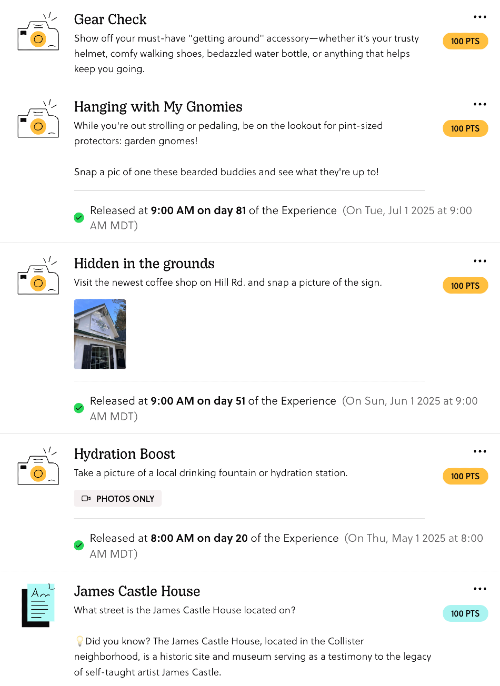
Goosechase is an interactive experience platform that’s been used to run over a million scavenger hunts, self-guided tours, learning experiences, and community events for more than 15 years. Organizers create a list of Missions, which are tasks players complete by submitting photos, videos, GPS check-ins, or text answers. Each Mission is worth points, a live leaderboard tracks scores, and submissions land in one shared feed that the whole game can see.
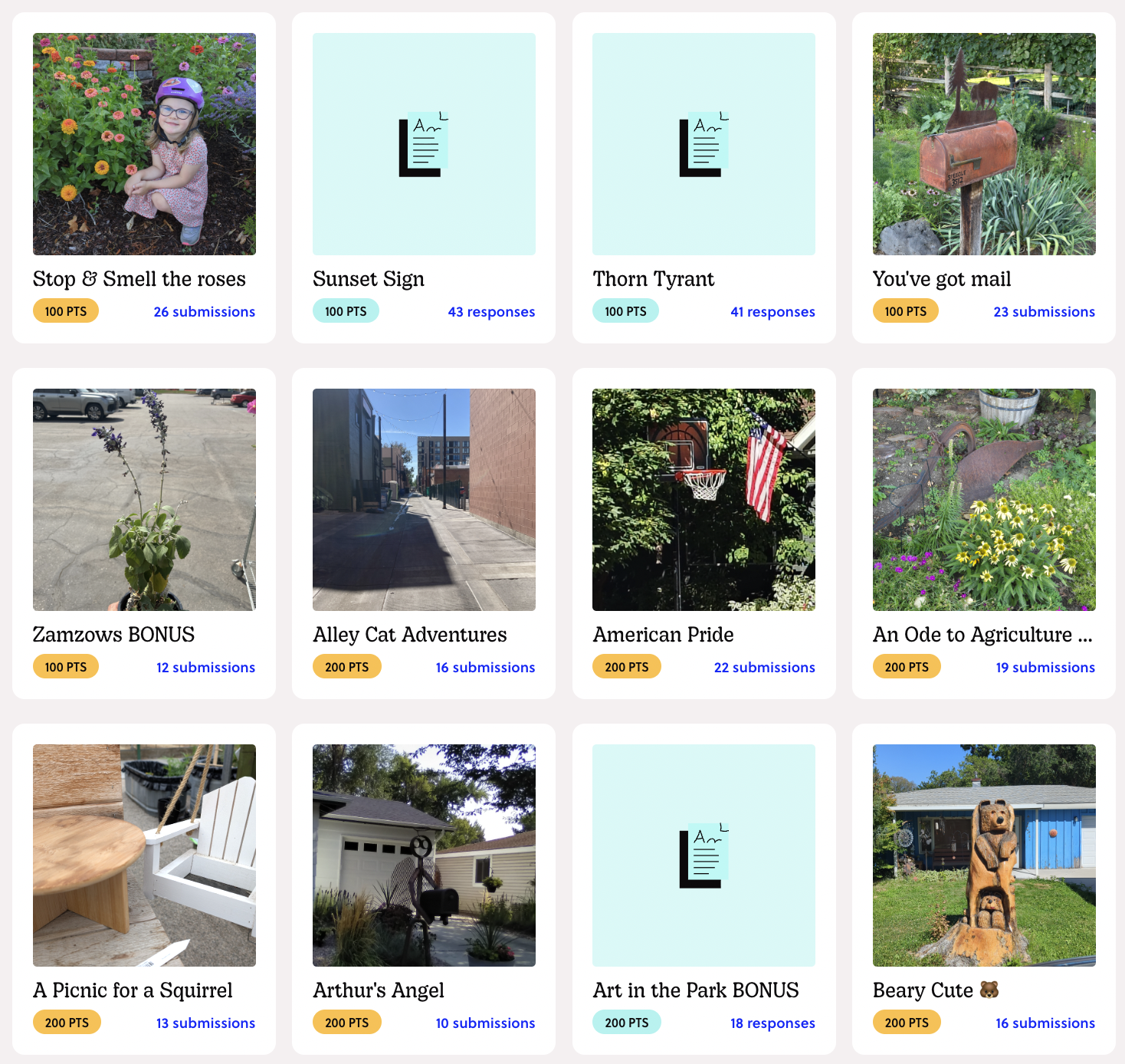
For Rebecca, what sealed the deal was a Goosechase customer story about a wildlife preserve that had used a digital scavenger hunt to get visitors exploring on their own terms. "It seemed right on target," Rebecca said of the moment it clicked. "The Missions seemed user friendly and I liked how self-paced and flexible it was." She'd read that participants started anticipating new Missions the way you might wait for the next episode of a show, and that was exactly the energy Walk Bike & Ride needed.
How Goosechase Turned a Summer Program Into a Community
In year two, the Walk Bike & Ride team tried a new approach: welcome kit, biweekly events, and Goosechase filling every day in between.
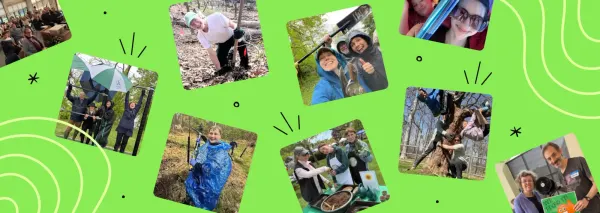
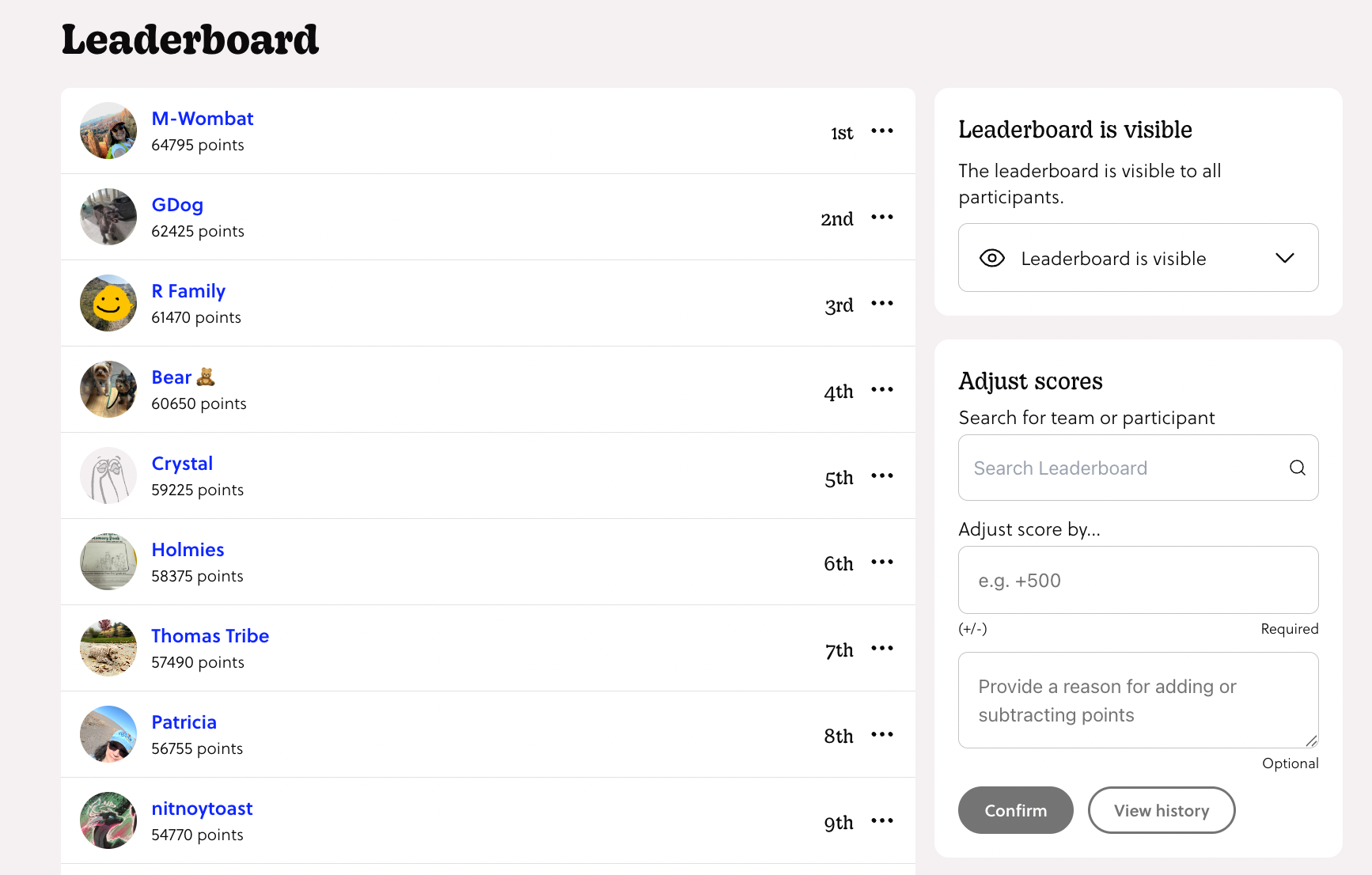
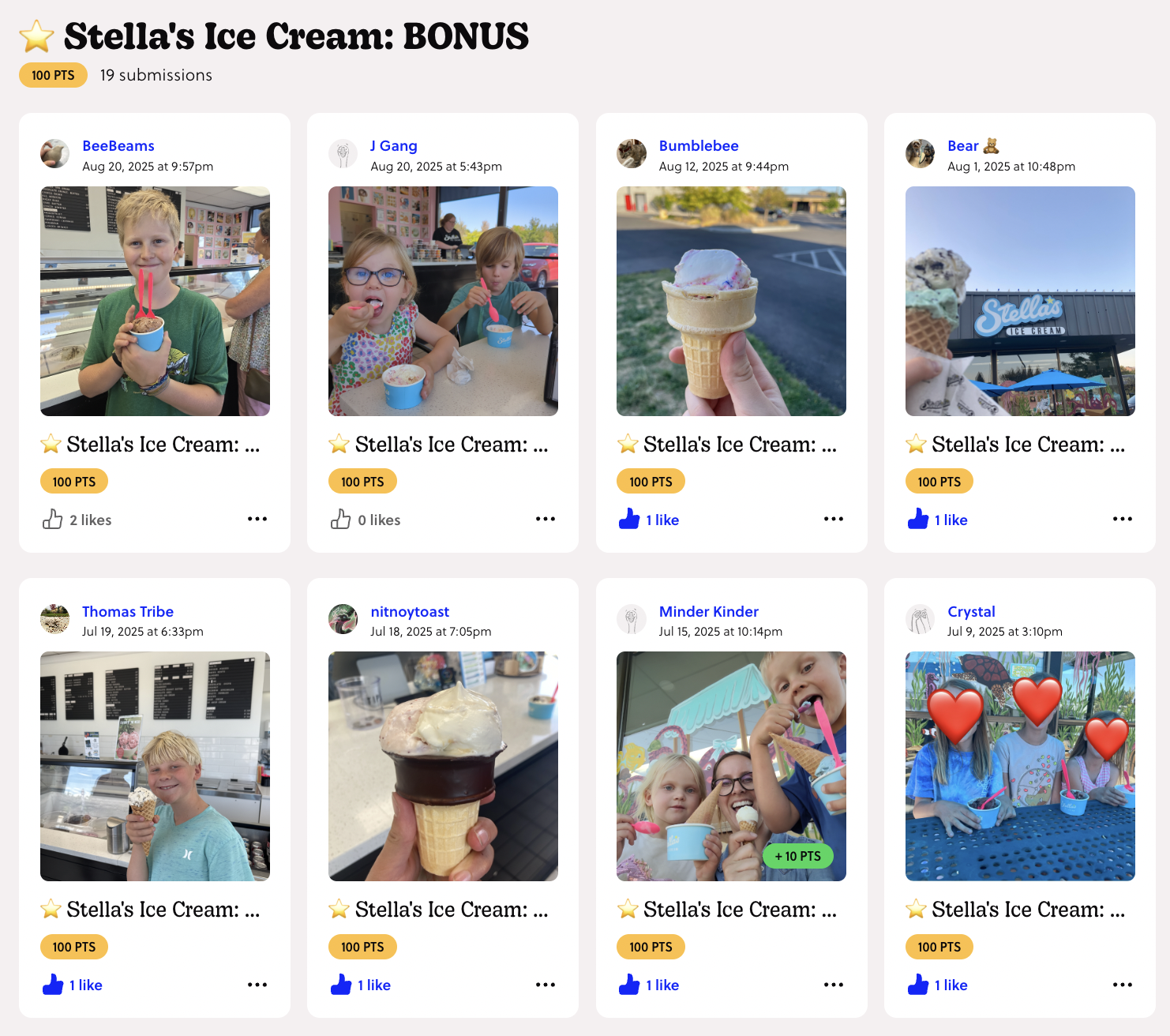
The platform's leaderboard and photo feed did something Rebecca hadn't anticipated. Residents started recognizing each other from their submissions and showing up to events because they'd connected through the game first. "I think that helped build a community within the community," she said. Some came to events they may have had no interest in, just because a Mission was attached and they were already out hunting points.
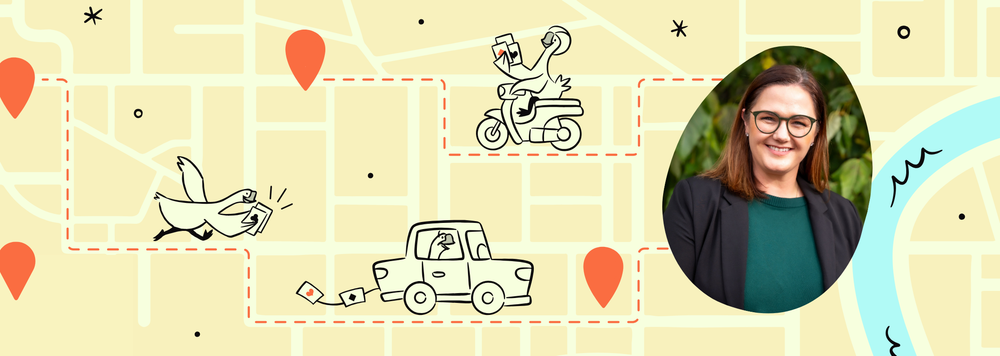
To make the Experience feel specific to that neighborhood, ACHD worked with local artists to illustrate custom maps of bike paths, parks, and small landmarks. Those same details fed directly into Missions, sending residents to find spots most of them had walked past a hundred times.
Using the Scavenger Hunt to Drive Local Business Visits and Neighborhood Discovery
Local businesses became part of the map, too. When ACHD invited a new Japanese arcade to host a Mission, the business handed out an arcade token to anyone who stopped in and shared a photo. For residents, it meant discovering somewhere new. For businesses, it meant experiential marketing and foot traffic. "People are supporting local, and residents are loving it because they're like, wow, I didn't know about this," Rebecca said.
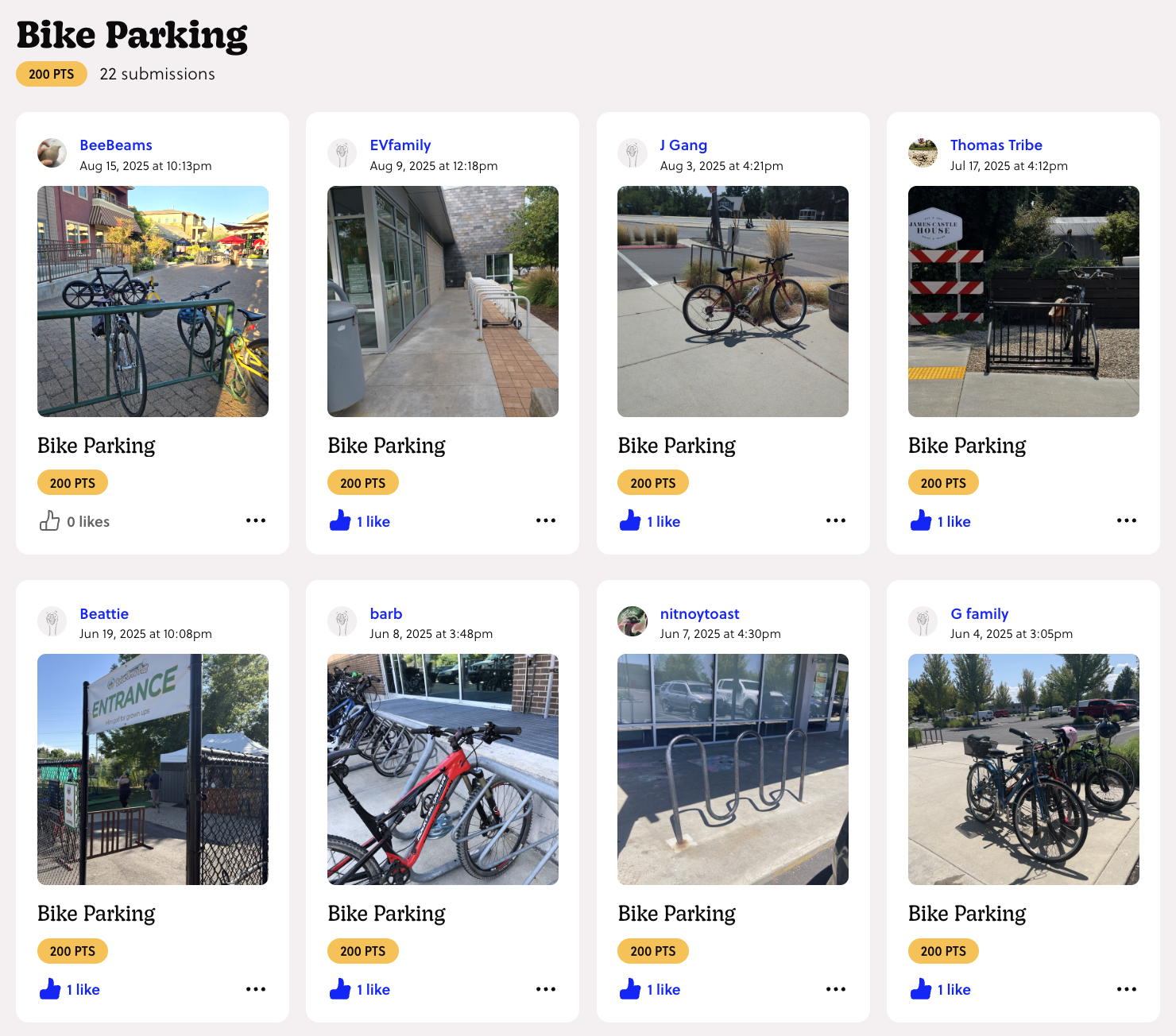
The educational Missions did heavy lifting, too. They nudged residents to notice infrastructure they'd moved past their whole lives: bulb-outs, textured corner panels, spray-painted utility markings. Residents who completed those Missions started noticing the same features on their regular commutes. They asked questions about road projects. They submitted tickets through ACHD's app. What had looked like bureaucratic inconvenience started looking like a system someone had thought carefully about.
From Event Headcounts to Behavior Change: How to Measure What Matters
The numbers backed up what Rebecca was seeing on the ground. In the program's most recent run, 70 active teams completed 3,665 Missions.
Of participants surveyed, 65% said they tried a new mode of transportation, and 74% reported a more positive perception of ACHD afterward.
For a program that relied on measuring success through event headcounts, that last number landed differently. Knowing how to increase public perception of government agencies isn't something most transportation departments have a playbook for. "Before, all we had were event attendance numbers, but Goosechase gave us more to the story," Rebecca said.
ACHD's post-program survey revealed even more. Families described Walk Bike & Ride as a genuine summer ritual. "It got us exploring areas of the neighborhood that we never see," one participant wrote. Another said the program had taught them more about local history than nearly fifty years of living in the area had managed.
What the survey made clear is that Walk Bike & Ride had crossed a line most government programs never do.
Residents weren't just satisfied; they felt a genuine relationship with the work and the people behind it.
Tips for Running Your Own Goosechase for Your Community
Rebecca didn't just run Walk Bike & Ride. She stretched the platform well beyond the obvious.
Make rewards feel earned, not handed out. Walk Bike & Ride used a tiered point system: 5,000 points earned a t-shirt, 10,000 points unlocked a fanny pack, and every completed Mission was an entry into a grand prize drawing. Grand prizes included a bike and an e-scooter. It solved a real logistical problem while giving people a reason to keep playing all summer.
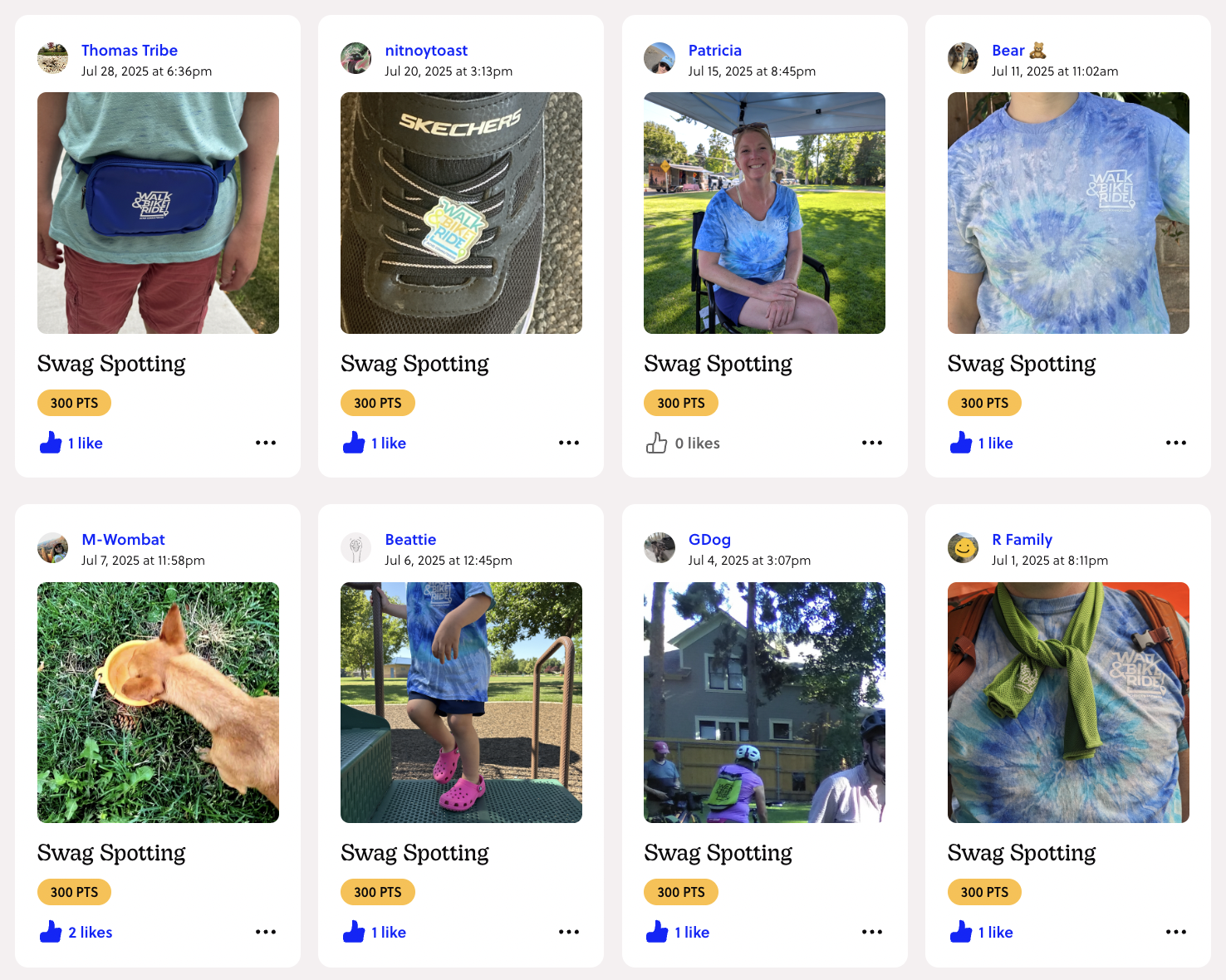
Let your swag do some of the marketing. Participants wearing their prizes around the neighborhood while completing Missions become a visible signal that something worth joining is happening, and a conversation starter with neighbors who haven't signed up yet.
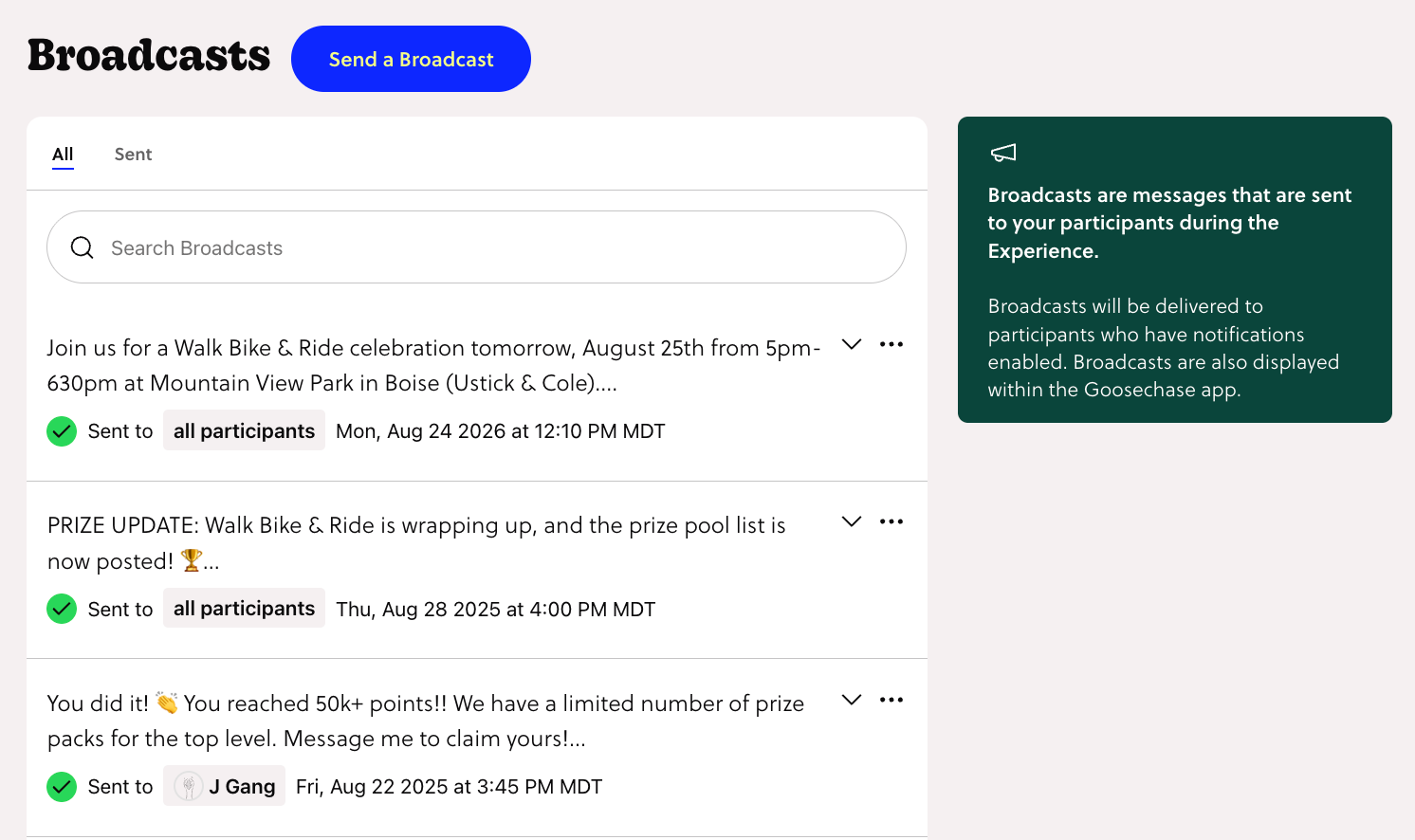
Get creative with Goosechase's features. When one participant started submitting other people's photos as their own, Rebecca used Goosechase's Broadcast feature to send what read like an automated system notice reminding everyone to submit original photos. It worked, no confrontation required.
Don't stop at your original use case. Once other ACHD teams saw what Walk Bike & Ride had done, they found their own reasons to use Goosechase. The communications team built an Experience for exploring their new digs after the agency relocated its headquarters, merging two office locations into one central building. The May in Motion commuter campaign used it to surface stories that would have stayed invisible otherwise, including one participant who had never ridden a bike before and ended up commuting 16 miles each way to work by the end of the program.
Experience Is Everything
By the time Walk Bike & Ride wrapped its third and final summer, it had produced something most government programs spend years chasing and rarely find: people who didn't want it to end. Participants from previous years' neighborhoods kept asking to play again. What started as a way to fill the gaps between events became something residents looked forward to.
The clearest sign that Walk Bike & Ride worked isn't in the survey data, though the data is good (really good). It's the kids who now point out ACHD trucks on the road and explain to their parents what the agency does. Nobody taught them that in a classroom or a newsletter. They learned it on a summer evening, out looking for a stop sign or Little Free Library, earning points toward a new bike. That's the kind of perception shift no press release produces.
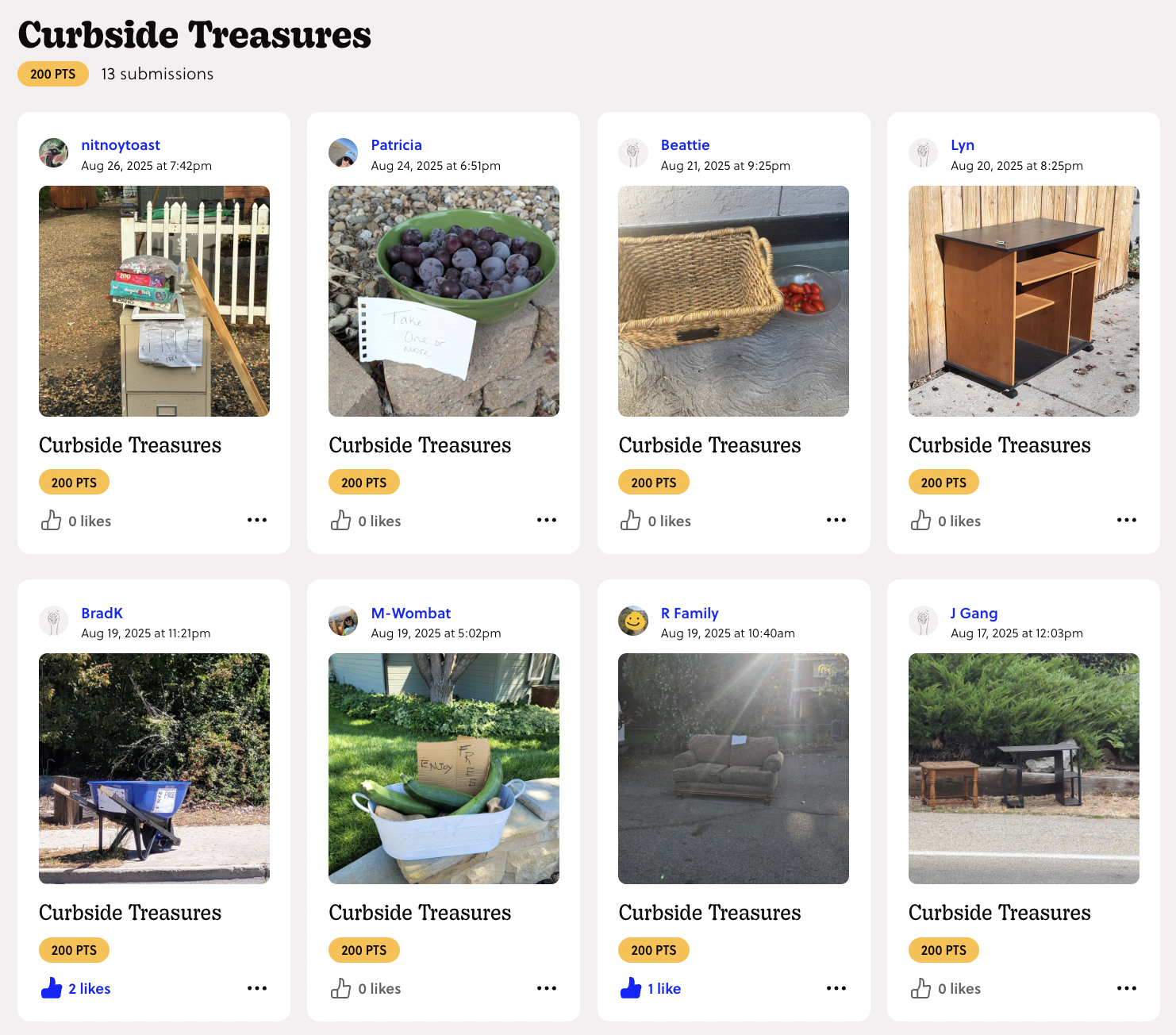
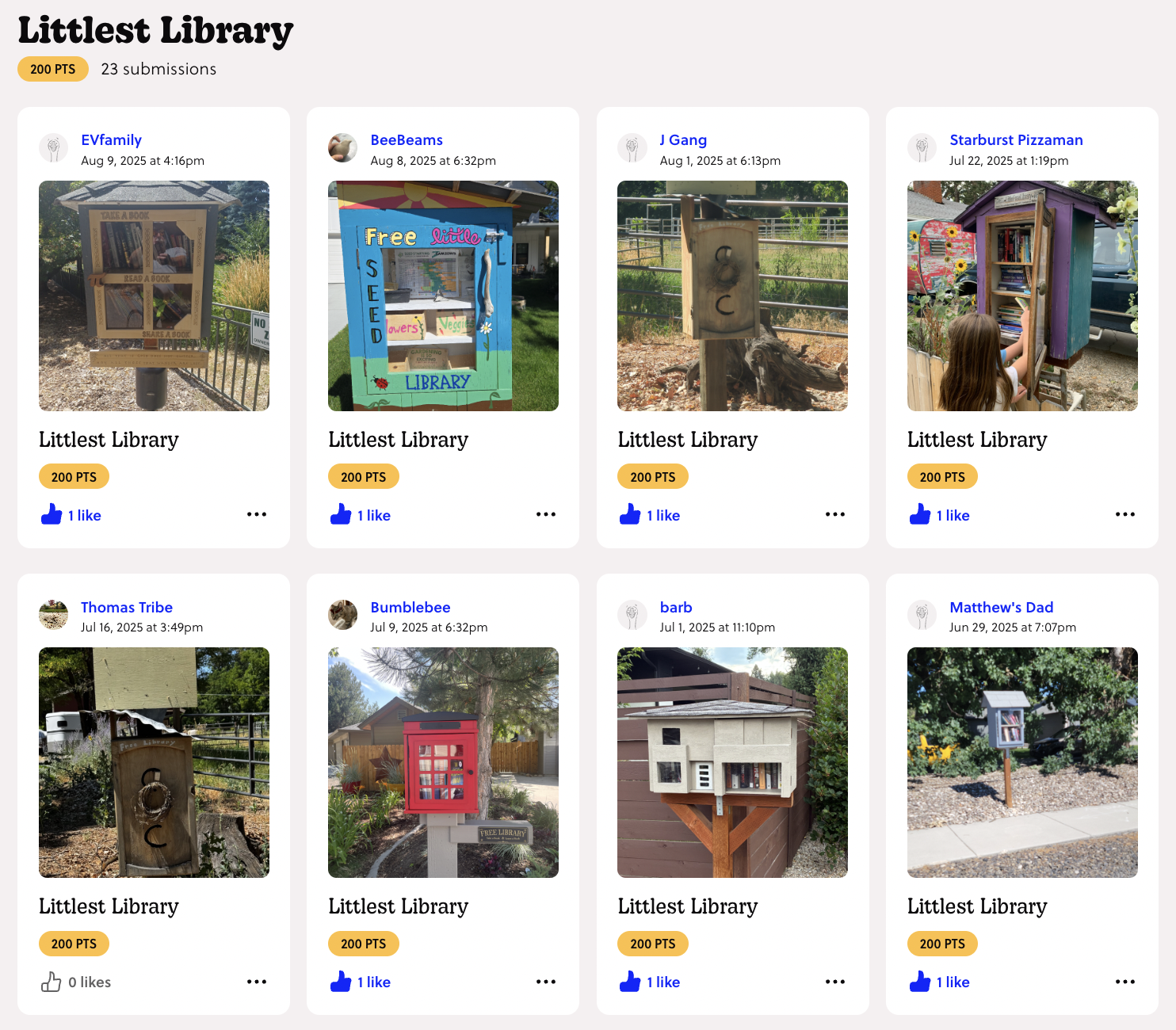
Walk Bike & Ride invited participants to explore their neighborhoods and zoom in on what made them special
What is Goosechase?
At Goosechase, experience is everything. Originally inspired by scavenger hunts, Goosechase is an online platform that enables organizations and schools to engage, activate, and educate their communities through delightful interactive experiences. Sign up and get started with a free Experience, or check out our Pricing!