How an Earth Month Scavenger Hunt Hit 4X its Participation Goal
Six villages along the Lower Hudson spent April 2026 trying to out-plant, out-compost, and out-explore each other. The idea took root faster than anyone imagined: roughly 200 teams, more than 4,000 completed Missions, and two seventh-graders beating every mayor in the game. 🌱
How to Engage Residents in Sustainability: Give Them a Reason to Take Action
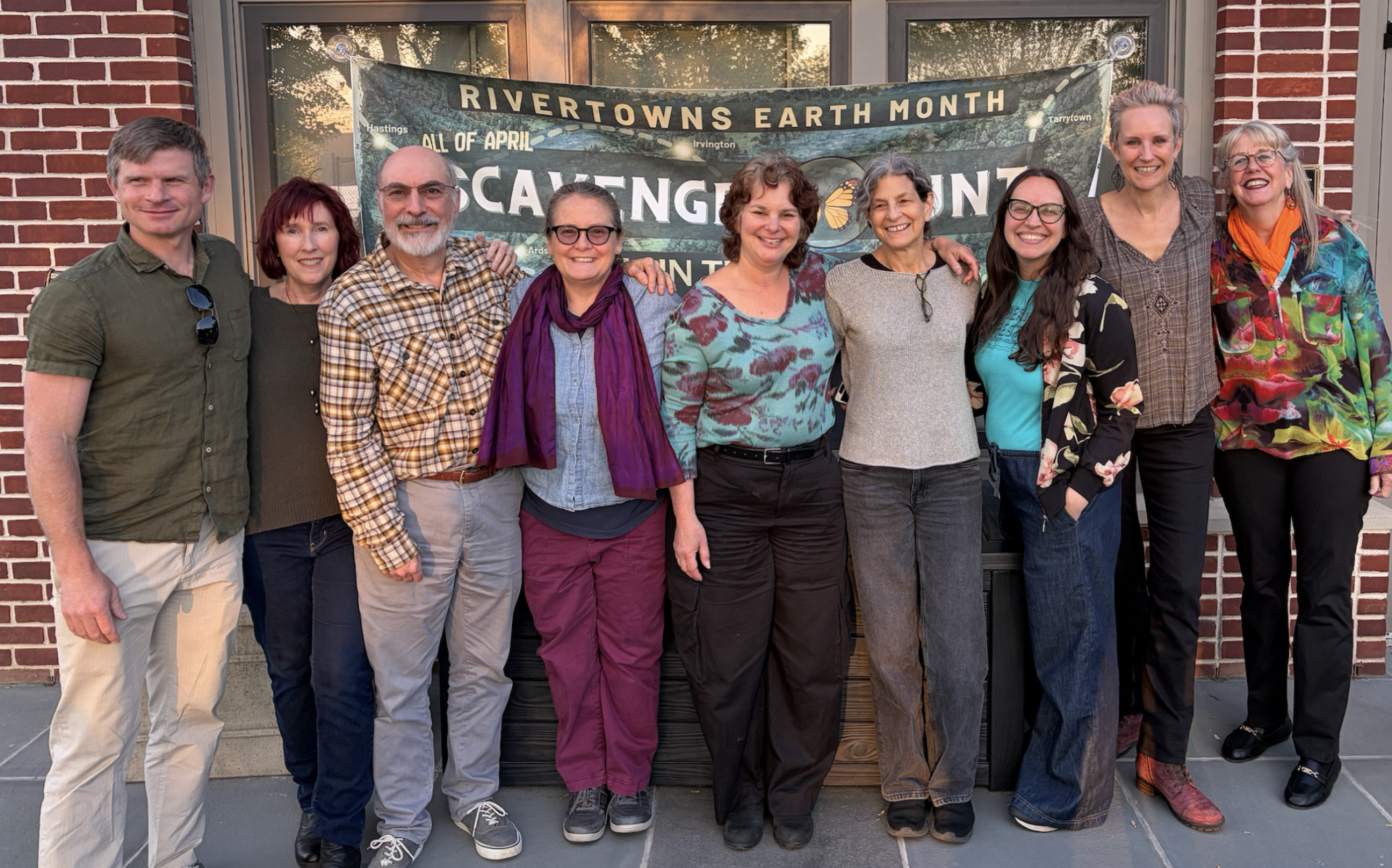
Since 2018, the Rivertowns Intervillage Sustainability Network (RISN) has united conservation and sustainability groups from Hastings-on-Hudson to Sleepy Hollow and beyond. Together they tackle shared issues like leaf blower restrictions, waste management, electrification, and ecosystem stewardship.
RISN's work builds on years of collaboration by leaders like Haven Colgate, a Hastings-on-Hudson sustainability and community steward for more than 17 years.
For this case study, we spoke with Charlotte Binns, Irvington's Director of Sustainability, who makes sustainability easy to act on. She runs the village's stewardship calendar and built the Resilient Rivertowns Resiliency Map, a one-stop guide to composting sites, transit options, and local businesses getting it right.
The resources were there. What was missing was a reason to use them.
"It's hard to get information to penetrate people's consciousness," Charlotte says.
Sustainability work depends on people doing, not just knowing things.
Compost bins need filling, and stewardship sessions need, well, stewards. And asking someone to sort trash or properly recycle their goods is a hard sell, no matter how good your flyer is.
So RISN stopped thinking about how to inform residents and started thinking about how to light a fire within them. Charlotte looked at her own life experiences with costuming and pilgrimages to Burning Man and knew that creativity and community would go a long way. Friendly competition has what a static announcement doesn't: a tangible goal and a reason to keep score.
What Is Goosechase, and How Did the Rivertowns Use It?
Goosechase is an interactive experience platform that’s been used to run over a million scavenger hunts, self-guided tours, learning experiences, and community events for the last 15 years. Organizers create a list of Missions, which are tasks players complete by submitting photos, videos, GPS check-ins, or text answers. Each Mission is worth points, a live leaderboard tracks scores, and submissions land in one shared feed that the whole game can see.
Charlotte had already seen it in action, running a smaller Goosechase Experience the previous fall. So whether an interactive experience would land wasn't the question. How big one could get was.
Their Earth Month Event Idea: A Scavenger Hunt That Got People Moving
Irvington sits in a string of villages that share an ecosystem corridor, a volunteer pool, and residents who cross village lines every weekend without thinking about it. In April 2026, residents from Hastings-on-Hudson to Sleepy Hollow were invited to join a fun, family-friendly Earth Month Experience.
RISN borrowed their framework from New York State's Climate Smart Communities program, which moves municipalities with tasks, points, and deadlines, and aimed it at individuals instead. Picture an Earth Day scavenger hunt covering six villages instead of one park.
Mission points were weighted by effort, from a five-minute activity to a full afternoon of work, to a substantial ongoing volunteer commitment:
- Answer trivia about local ecology, or solve a riddle about a nearby landmark
- Compost your food scraps, or drop off e-waste, textiles, and books
- Bring something broken to a Repair Café
- Show up to an Earth Month event in any of the six villages
- Help manage a village’s food pantry
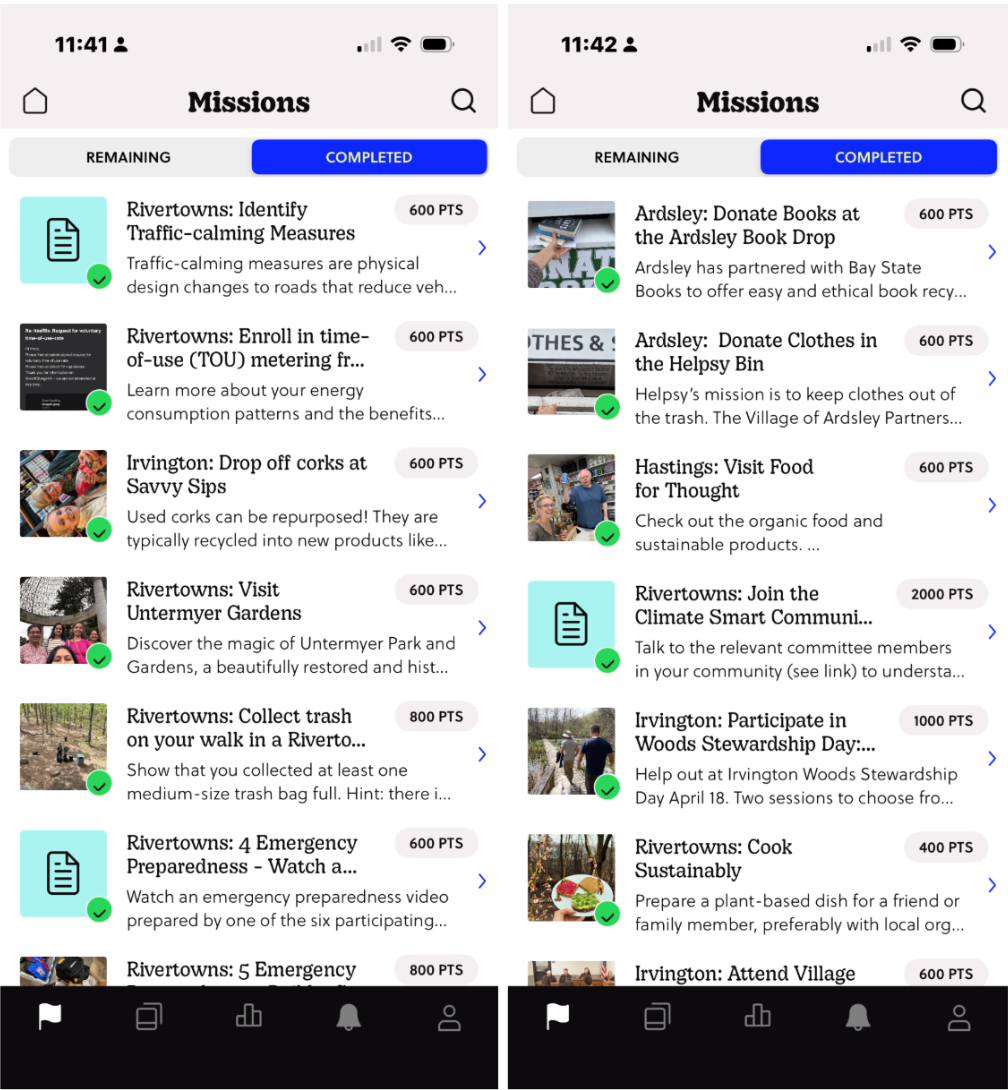
The low-effort Missions were the doorway. Trivia and photo challenges got a family onboard, and once they were playing, the leaderboard made an afternoon of pulling weeds feel like the perfect weekend plan.
There was a concerted effort around accessibility, and the team made sure there were options for at-home Missions and incentives for eco-friendly transporation like riding the bus or cycling.
Some Missions also pointed players toward the resiliency map, which incorporated resources and local businesses into the Experience.
How They Built Competition into a Community Event
Charlotte credits three things for holding the game together:
Simplicity, shared ownership, and social design.
The scavenger hunt concept was easy to grasp, and folks simply scanned a QR code or followed the invite link to join the Goosechase.
Shared ownership meant environmental leaders from the six villages ran the community sustainability program together instead of all following one village's plan, which is also what solved distribution. Word of the scavenger hunt could reach many households through physical signage, the six mayors’ municipal platforms and each village’s own channels.
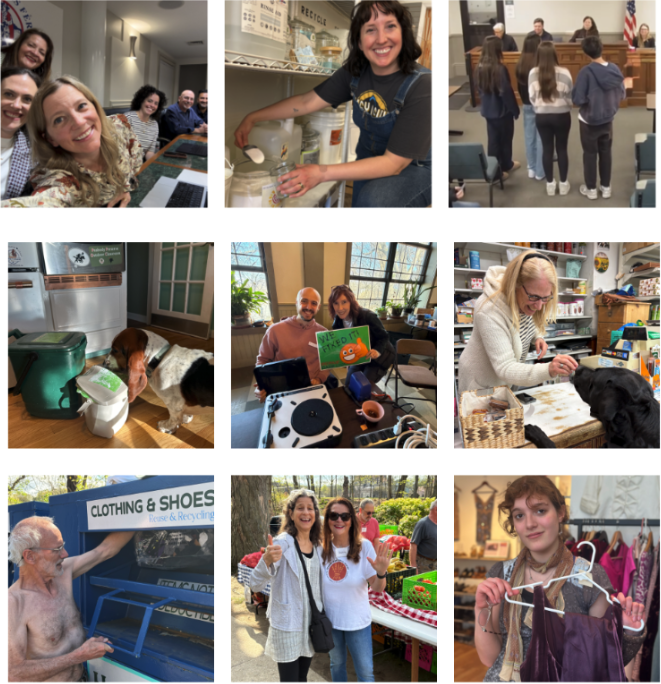
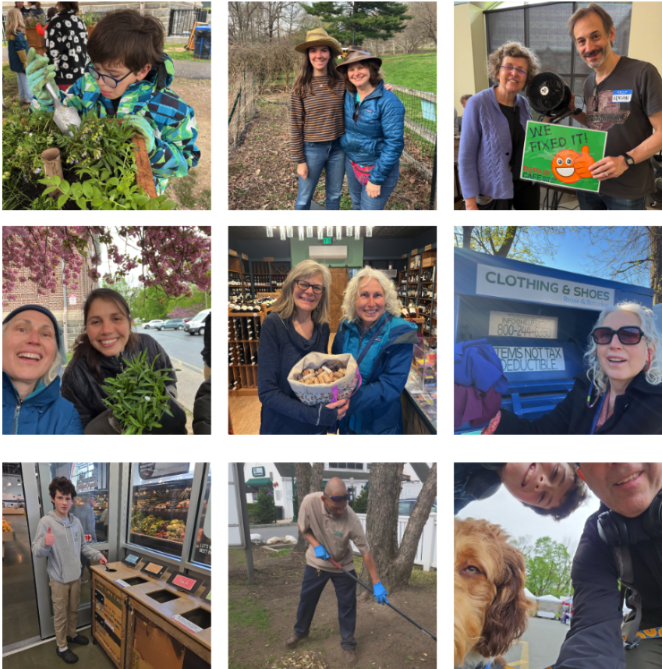
Then the social design took over. Every submission landed in a feed the whole region could see, which made the activity feed read like a community scrapbook. Mayors and trustees participated, playing as competitors rather than officials.
Prizing That Builds Both Competition and Community
They also decided on a unique prize structure that tied everything together.
Two prizes ran in parallel: The top team earned $500, and teams also picked a village to represent when they registered. Every village then competed for a sponsored $3,000 pot to spend on a local environmental project. So every point a family earned on an evening walk went into their village's total, too.
"People were motivated to accrue points for their municipality, like being part of a bigger team," Charlotte says.
Community Event Sponsorship Ideas: Local Realtors are Community Champions
Funding a four-figure prize pool meant finding sponsors, and Charlotte's team landed on an unexpected category: local realtors.
A realtor's product is a place. Community-forward events make those places better to live in, so investing in the people also means investing in the place.
"Realtors can be a great boon if you are truly making it about the community," Charlotte says.
Her advice for organizers without an established network is to lead with the community benefit. What a sponsor gets isn't only logo placement; it's a month of residents publicly celebrating the neighborhoods they're trying to sell.
Earth Month Results: 200 Teams and 4,000 Completed Missions
Charlotte's team forecasted 50 teams would participate. How many actually registered?
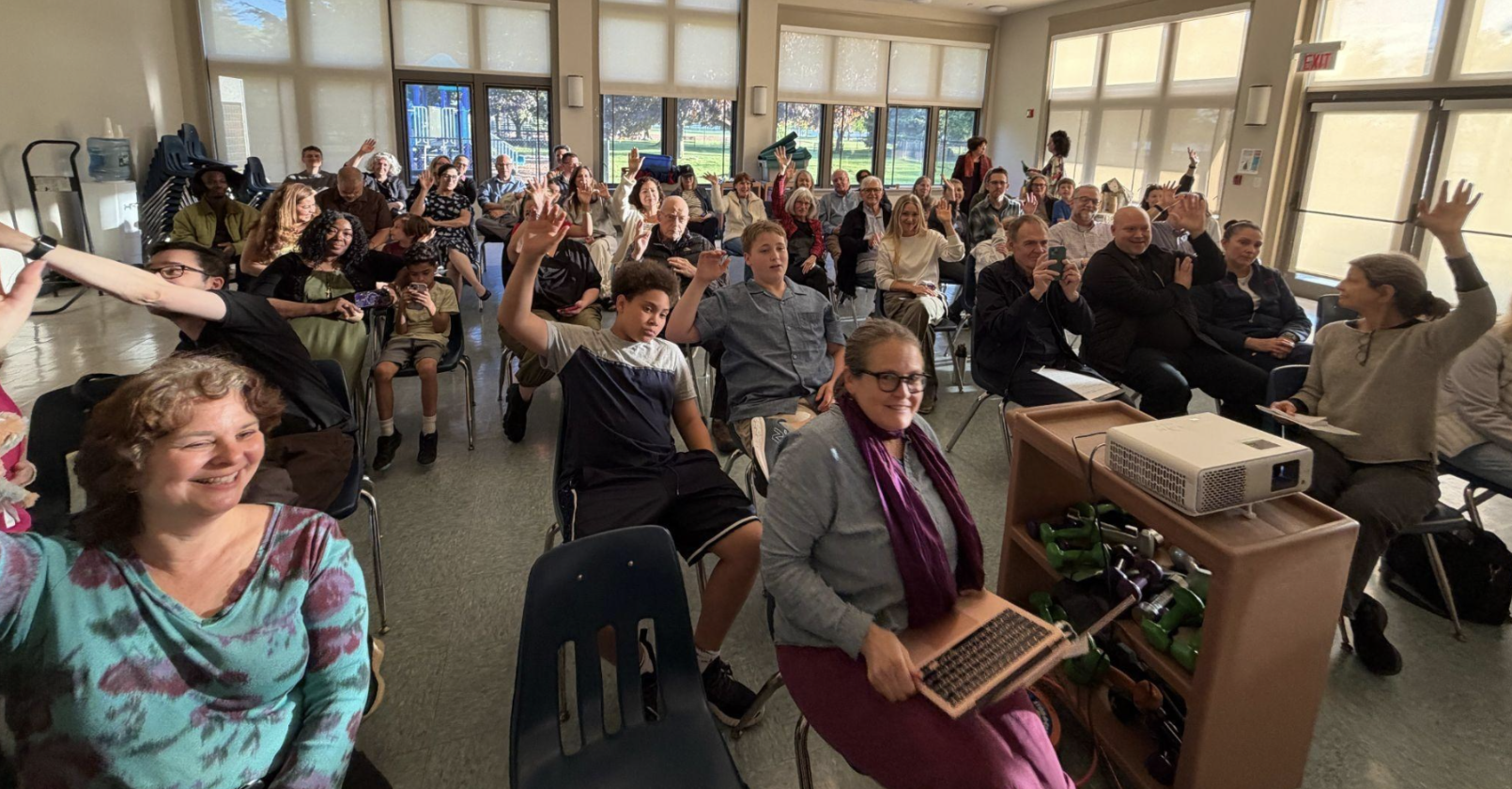
About 200, four times the estimate, each team comprising one to five members. Collectively they completed more than 4,000 Missions between March 29 and May 3. The winners were two seventh-graders from Dobbs Ferry who out-scored every other team in the region, mayors included.
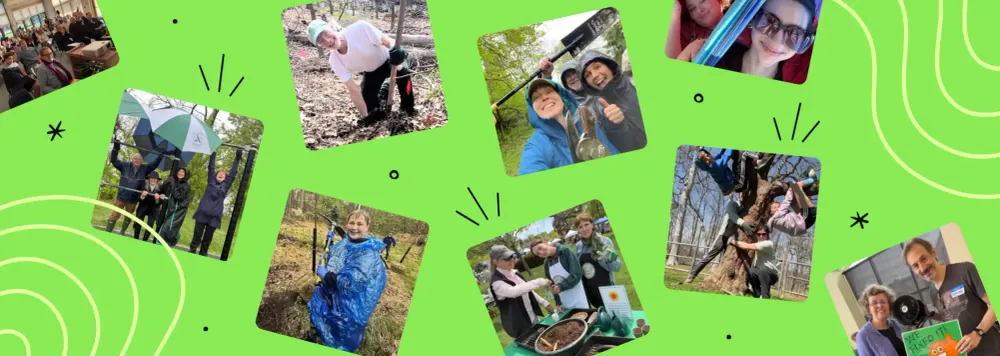
The submissions weren't just photos to use for next year's promotion. Real-world results happened off the screen: Players planted native species, dropped off donations, and learned the ecology of the streets they walk every day.
Cecilia's testimonial says it all!
"While pulling invasives, I overheard one kid say to another, 'This is fun!'" wrote one participant. "Outside of scouting groups, not that many young people are exposed to volunteer work. This scavenger hunt is giving lots of young people a chance to try out a bunch of different kinds of community volunteering, and see how rewarding it can be." Some teams continued completing the tasks after the game ended: the game instilled a habit of making a difference.
The Payoff: A Promising Young Forest
Dobbs Ferry put its $3,000 toward three things its parks needed: deer fencing for a new mini-forest, native plantings at a park memorial, and a pollinator garden.
That's what a month of chasing points earned. Not a bigger mailing list, not a bump in web traffic (though you could make Missions for those, too). A young forest with a fence around it, because two seventh-graders decided to make a difference.
Habits don't shift because someone hands you better information. They shift when you have somewhere to be, a village to play for, and something to show for it.
What is Goosechase?
At Goosechase, experience is everything. Originally inspired by scavenger hunts, Goosechase is an online platform that enables organizations and schools to engage, activate, and educate their communities through delightful interactive experiences. Sign up and get started with a free Experience, or check out our Pricing!