
Tips to Make Remote Teams Feel Seen and Valued in 2026
You’re leading a remote team in 2026, but something feels disconnected and “off”.
Today, about a quarter of U.S. employees (roughly 36 million people) work remotely at least part-time, less than half of remote workers feel as valued as onsite teams, and just 36 % say their manager makes them feel seen.
When people feel invisible, they disengage, or worse, burn out.
Luckily, it is possible to bridge this gap using Goosechase to spark connection and shared energy. When you add structured recognition, shared experiences, and thoughtful connection strategies, that invisibility fades.
Here are some practical ideas to help your remote team feel seen and genuinely valued:
Recognize Contributions in Public, Not in Private
When your team works apart, individual wins can vanish into the ether. However, regular public praise yields various benefits on that front.
People who see their efforts acknowledged in front of others are roughly:
- five times more likely to feel valued,
- six times more likely to lean fully into their work,
- and seven times more likely to stick around for at least another year.
You don’t need a grand gesture to accomplish this, just, start by naming them during your weekly call.
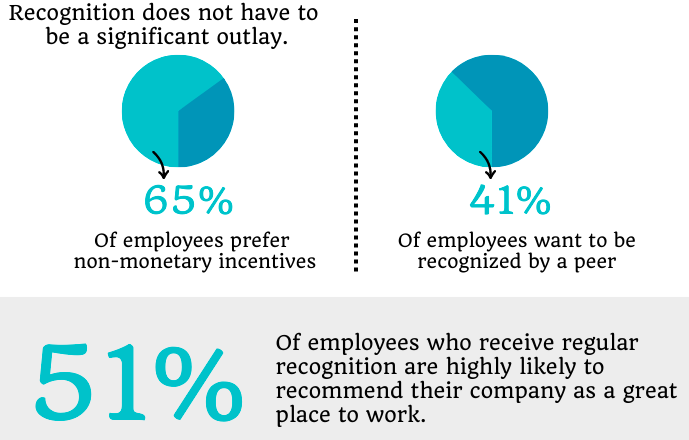
You’ll also spark energy when recognition shows on shared platforms. Gallup finds that employees who get recognition at least once a week are far more likely to stay highly engaged. So put your spotlight on screen - drop kudos in a “wins” channel or point to someone’s effort in team chat.
Goosechase gives you a living highlight reel for those moments. Its live activity feed means you can call attention to standout moves during missions, making real‑time acknowledgment easy and memorable. This way, recognition will happen just at the right moment when everyone can feel it.
Set Clear Expectations and Lead by Example
Remote teams work best when everyone knows what to expect. Start by setting clear office hours or regular one-on-ones, so your team knows when they can reach you for questions or quick chats.
Use digital “offices” like Slack or Teams to keep daily conversations flowing, and build shared resources with video tutorials and guides that help everyone find answers independently and share workflow tips. Being upfront about how the workday runs (be it a 9-to-5 or more flexible schedule) lets people organize their time without guesswork or stress.
Clarity like this puts remote workers at ease, especially knowing when it’s okay to interrupt or drop in for a quick Zoom. It also helps avoid confusion about expectations for communication and availability. When team members aren’t left wondering about when or how to connect, they can focus more fully on their work and less on managing logistics.
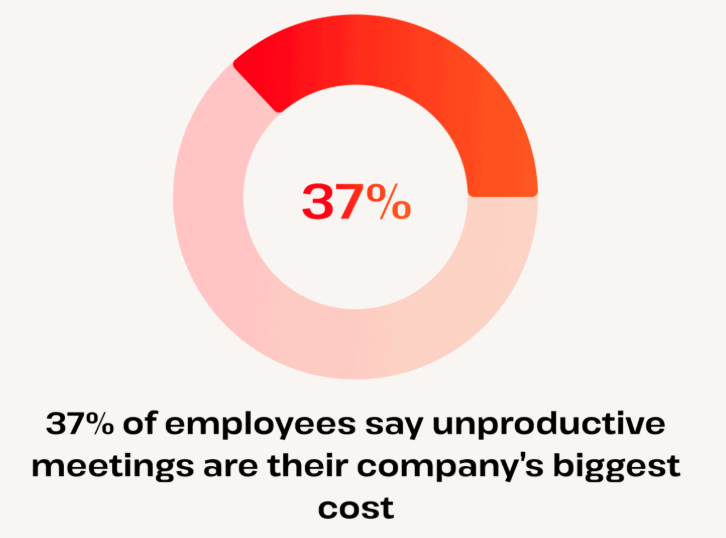
At the same time, it’s critical to model a healthy work-life balance as a leader. While regular check-ins keep communication strong, too many meetings eat into personal time and can tire everyone involved, especially when fatigue strikes.
In fact, roughly seven out of ten employees say most of their meetings feel like a waste of time, and only about one in ten consider meetings truly productive.
So, before scheduling any meeting, ask yourself if it’s truly necessary, meaningful, and important, and encourage your team to adopt the same mindset. Cutting down on unnecessary meetings not only preserves personal time but also keeps everyone more focused and engaged during the conversations that do matter.
Create Shared Experiences Instead of Shared Documents
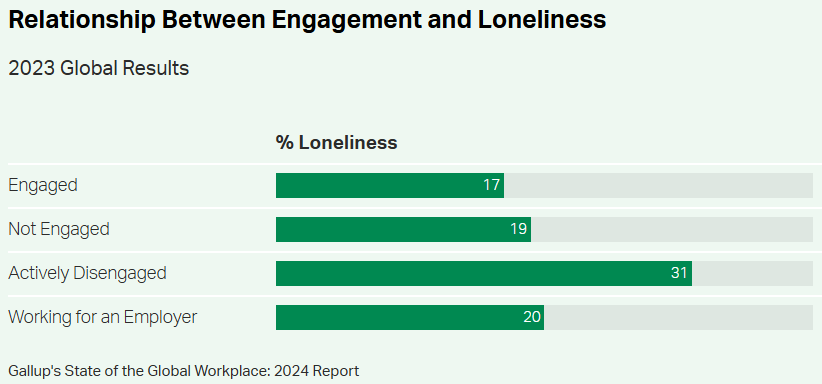
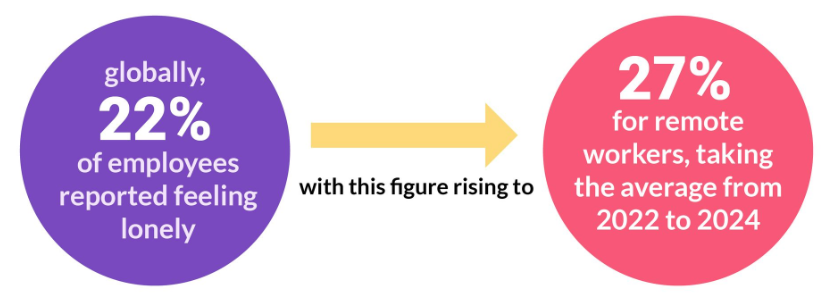
When your team sticks to task lists and shared files, people start to feel like cogs instead of collaborators. Remote workers report loneliness at nearly double the rate of on-site staff.
Specifically, about one in four remote employees say they often feel lonely compared to one in six who work in an office. If you want people to feel connected, you must go beyond the tools they use.
Sure, setting up non-work activities takes effort. But leaders who run team-building events note that nearly two-thirds see better team communication and about the same rate spot improved morale afterward. A monthly virtual hunt through Goosechase, where you can swap pictures, playlists, or quick questions, could give everyone that morale boost without needing in-person planning.
Nowadays, too few teams bring people together regularly. Only one in five organizations holds team-building sessions each month. By turning mission-hosting into a rotating duty, you spread ownership and make connection something the team builds together and looks forward to.
Get Feedback Without Forcing a Formal Survey
Traditional surveys often miss the mark in remote teams. Many employees hesitate to share honest feedback through structured surveys due to concerns about confidentiality and the perceived power imbalance between staff and leadership. This hesitation can lead to incomplete or skewed insights, hindering effective team development.
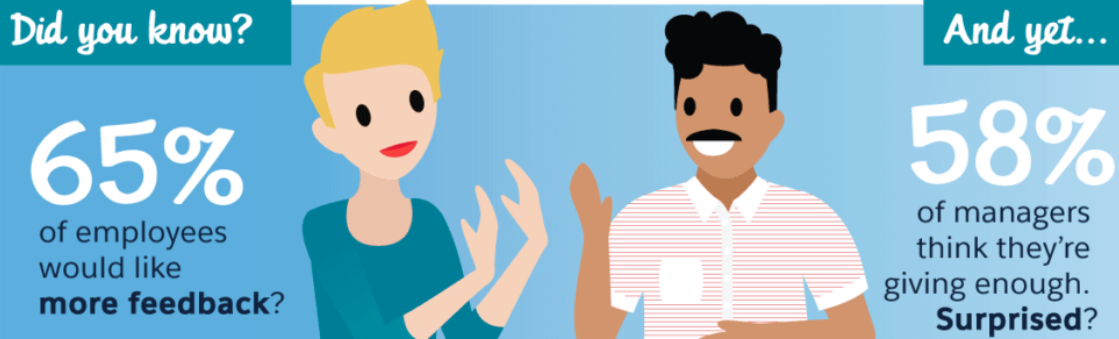
Instead of relying solely on formal surveys, consider integrating open-ended prompts during regular check-ins. This approach encourages ongoing dialogue and can reveal “hidden” perspectives (nonetheless, truths) that structured surveys might sideline.
If possible, allow for anonymous submissions of team sentiments or pain points. This will signal to everyone that there is (finally and truly) space for candid feedback.

In other words, actively listening to your team has tangible benefits. Employees who feel their voice is heard are approximately four and a half times more likely to feel empowered to perform their best work. So, look into ways to sprinkle regular-yet-informal feedback mechanisms and develop a more agreeable environment.
Involve Everyone in Recognizing Each Other
Recognition from peers carries significant weight in remote teams. Roughly a third of employees report that peer feedback has the most impact on their motivation, just slightly behind the 33% who value recognition from executives. This indicates that peer acknowledgment is nearly as influential as top-down praise in building a motivated workforce.
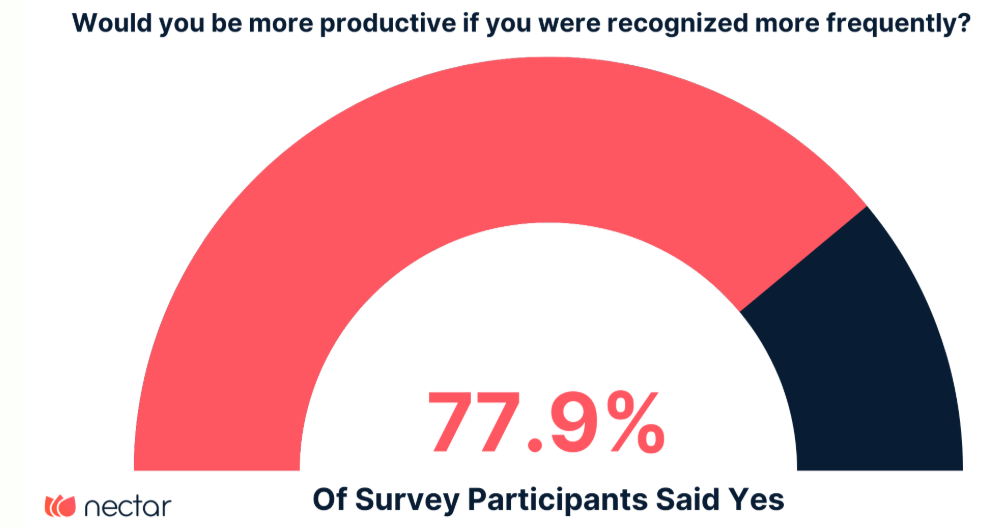
This leads us to conclude that the notion of team dynamics rests on your team’s willingness to appreciate their coworkers’ efforts. Thus, assigning a “mission of the month” where teammates nominate each other can promote a culture of appreciation and mutual respect. You can also set up a point-based reward system with Goosechase to reinforce collective success and encourage collaboration.
Such initiatives contribute to a culture of support, which is often lacking among remote teams. While it is very difficult to recreate the feeling of people interacting directly in a shared office, it is far from impossible.
For instance, HubSpot's "Cheers for Peers" program allows employees to send kudos in real-time, creating a ripple effect of positivity across departments. Studies have shown and continue to support the effects of this method, demonstrating that recognition can thrive even in remote settings.
Make Onboarding a Welcome, Not a Checklist
First impressions shape long-term engagement. With the right onboarding process, you can boost new hire retention by up to 82% and productivity by over 70%. To get there on time, adjust your mindset to view the entire onboarding process as a journey - but for the employee, not for you - instead of a checklist.
For instance, setting up onboarding Missions through Goosechase allows new hires to complete tasks such as "meet your team" or "find your team values." These light challenges introduce tools, people, and norms engagingly, resulting in early connections and, possibly, that moment when everything “clicks” together for the new team member.
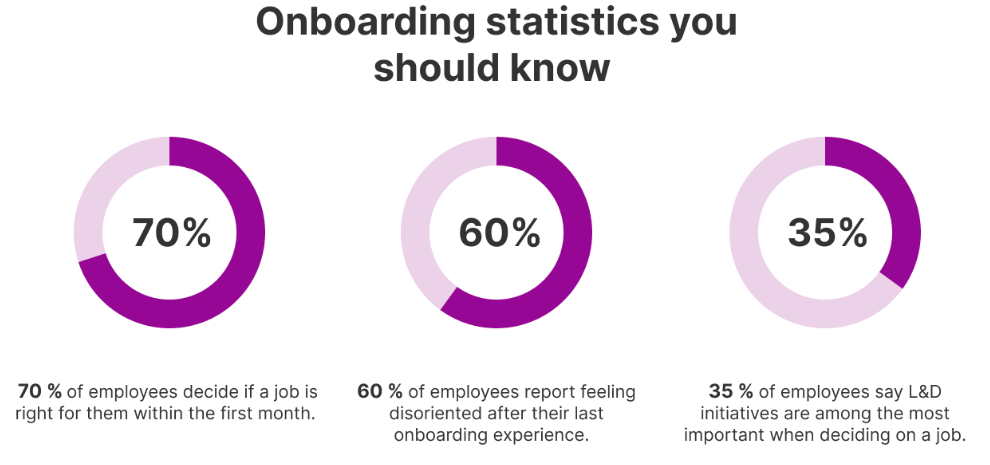
Unfortunately, the onboarding window is surprisingly short. Companies have roughly 44 days to make a lasting impression, with nearly three in ten new hires deciding if they will stay within their first week, and about seven in ten making that choice by the end of their first month.
Therefore, employers should focus on plans covering everything from day one to six months, pairing new employees with mentors who guide them through training. Introducing company culture and values early and using digital tools to create interactive onboarding missions helps new hires feel connected, supported, and part of the whole.
Use Real-Time Moments to Bridge the Distance
Scheduled meetings can feel stale, especially in remote settings where spontaneous interactions are limited. A significant number of employees report feeling disconnected from their colleagues due to the lack of informal, real-time interactions. This absence of casual conversations can lead to decreased engagement and a sense of isolation among remote team members, or worse, contribute to absenteeism.
To counteract this, consider implementing "flash" challenges using platforms like Goosechase. These midweek, time-limited activities can provide a quick connection boost, prompting team members to engage with each other in a fun and informal setting.
Such initiatives reinforce spontaneity and shared fun, even across locations. By introducing unexpected, lighthearted challenges, you can break the monotony of scheduled meetings and create opportunities for team bonding.
Wrap Up
Leading a remote team in 2025 means actively closing the gap between physical distance and emotional connection. When people feel seen, heard, and valued, they engage more deeply, work with greater purpose, and stay longer. Public recognition, shared experiences, and informal feedback break down isolation, while tools like Goosechase make these moments easy and meaningful to create.
The strategies here will keep your remote team connected, building a culture where everyone feels they belong. Put these tactics to work, and you’ll transform distance into a shared space where people thrive together.