AI Bootcamp, Unlocked: How the Mark Cuban Foundation Turned Learning Into a Game
When you invite teens to learn AI, you can cross your fingers they stay engaged, or you can turn the whole thing into a giant game and watch them sprint toward the Missions.
That is exactly what the Mark Cuban Foundation did with its nationwide AI Bootcamp for high school students, layering a playful, optional game experience on top of serious technical learning so marginalized teens could see themselves not just as participants, but as people who belong in AI. This gamified AI bootcamp experience helped transform how teens learn, connect, and see themselves in the future of AI.
Turning a Nationwide AI Bootcamp Into One Shared Experience
The Mark Cuban Foundation’s mission is simple and bold:
They focus on students who are often left out of emerging tech, including low income students and students of color whose schools rarely offer AI education.
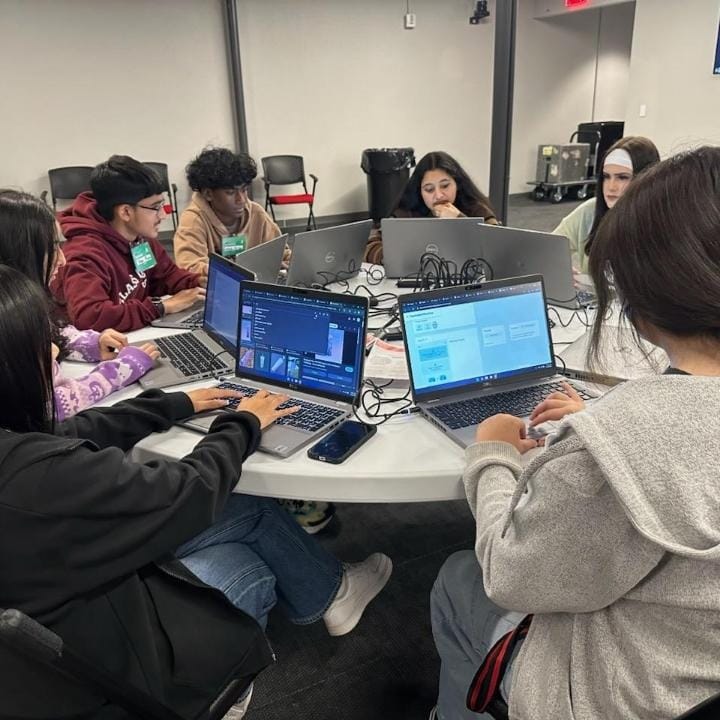
Each fall, the Foundation runs free AI Bootcamps for high schoolers across the United States. Thirty bootcamps run in sync across time zones, all powered by a central livestream platform called Bootcamp TV.
The goal is much bigger than skills. As Chief Learning Officer, Charlotte Dungan explains, they are designing for identity and belonging as much as for AI literacy.
“The bootcamp isn’t only about teaching AI skills for the workplace. It’s about identity and belonging. We want students to genuinely feel that they belong in AI. That they are someone who can do this and use AI confidently.”
But even with 20 hours of instruction, there was still a problem. There was not enough time to cover everything. Students needed more chances to explore, express themselves, and connect with peers across the country.
The Foundation needed a way to:
- Extend learning beyond the formal curriculum
- Give students multiple ways to “plug in,” whether they loved coding, art, or photography
- Connect 30 separate bootcamps into one shared experience that still felt personal
So they turned to a familiar partner in play.
Finding A Playful Way To Extend Learning Beyond 20 Hours
Charlotte was not new to game-based learning. In fact, she had been using Goosechase since 2018, when she used the platform to drive asynchronous learning at a summer camp she was running. Those students loved the chance to move, create, and compete, all while reinforcing what they were learning. So when Charlotte joined the Mark Cuban Foundation, she brought that playful mindset with her.
With Goosechase, Charlotte and the team could design a gamified, opt-in layer that:
- Ran in parallel with Bootcamp TV at all 30 sites
- Gave students Missions to complete outside of bootcamp sessions
- Captured photos, videos, reflections, and creative work from across the country
This was not a replacement for the curriculum. It was a playful extension, designed to catch the students who might not engage as deeply in traditional lessons, but would absolutely throw themselves into a challenge.
“Participation isn’t required. Some students dive in headfirst, determined to finish every Mission and even negotiating with me over a few extra points. Others prefer not to play, which is totally fine. But for many teens, the game becomes the defining part of bootcamp. It’s what they remember most—not the lectures, but the Experience.”
Designing AI Missions Teens Actually Want To Tackle
By 2025, the AI Bootcamp scavenger hunt had grown into a 70-Mission epic designed to stretch students’ creativity, persistence, and curiosity.
The Missions ranged from simple and silly to genuinely challenging. Missions included everything from reflection prompts to advanced builds. A few favorites:
- Library Quest: Head to the library, find a book about AI, check it out, and snap a photo.
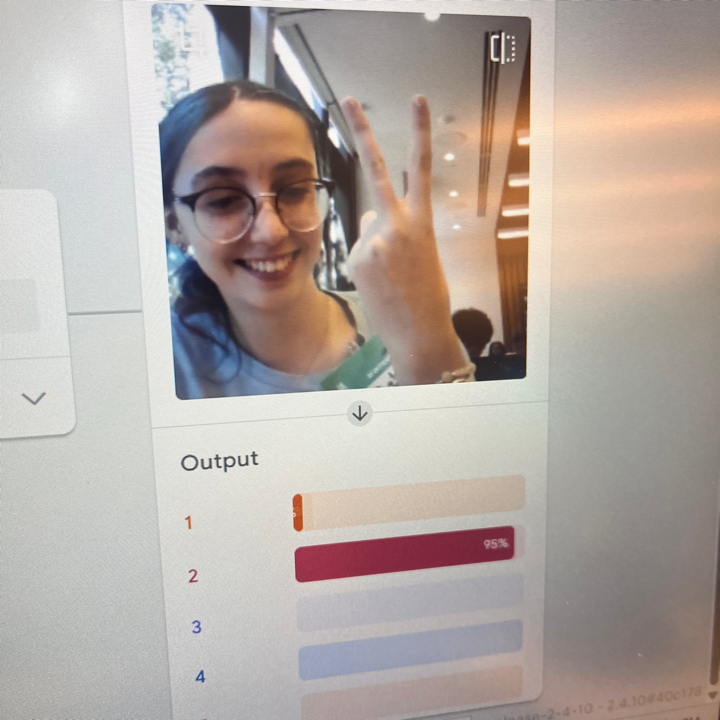
- AI Chef: Use AI to generate a recipe based on whatever is in your pantry, then cook it and share photos of both the recipe and the finished dish.
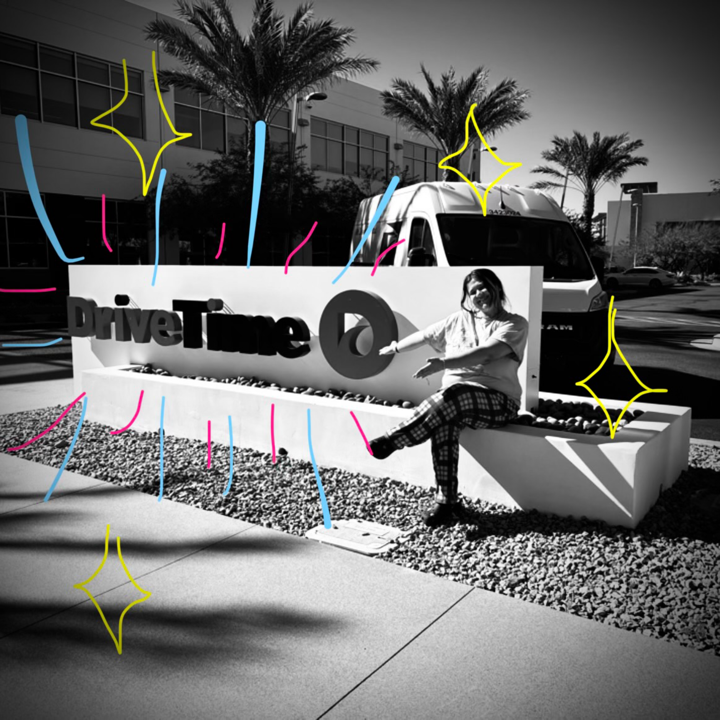
- Place Based Missions: Take photos with your site’s sign, capture a candid moment with a mentor, or show your group in a fun pose.
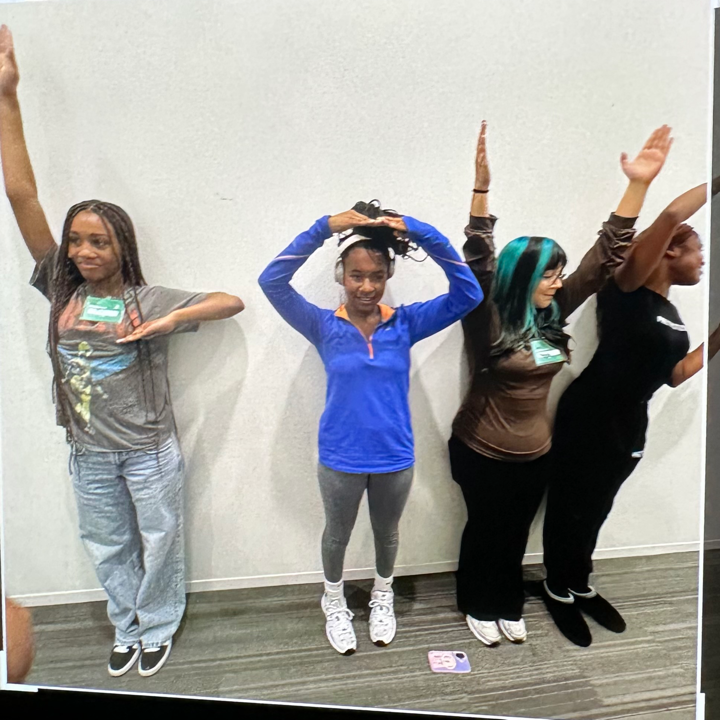
Erika Wallace, who helps coordinate the program, especially loves the Missions where students use their bodies to spell out words. Adding tangible components, like Missions that encourage movement, helps the learnings stick.
“Some of my favorite photos are when the students use their bodies to form letters. There was one last year, and I spotted one again this year, where they spelled out ‘AI’.”
From Participation to Belonging: What Changed for Students
So what happened when you combined a nationwide AI bootcamp with a playful scavenger hunt-style game? A lot of measurable magic!
The numbers tell one side of the story.
- Students rated their experience extremely highly, with an average of 8.89 out of 10.
- The overall Net Promoter Score (NPS) reached 64.4, with the top site hitting an incredible 94.4.
- Every single site’s score was positive.
The game also helped students see themselves in AI in new ways. Because Missions included art, photos, writing, and coding, there were many entry points for different personalities and strengths. “By using gamification, you can find a place where you plug in. Maybe you are not technical, but you really like the art Missions or the photo Missions,” explained Charlotte. And once students were in, they were in.
The Goosechase Experience even helped break down the feeling of isolation that can come from attending a local bootcamp while knowing there are dozens of other cohorts out there. Charlotte shared:
“You are essentially having a very isolating experience, but the game allows you to see what other people are doing across the country. I really like those aspects of it.”
Students noticed. In post-bootcamp surveys, some teens said “the Goosechase was the highlight of my MCF bootcamp experience!”, a place where they could express themselves more freely while still engaging with AI concepts.
“I really loved the various activities we did, but especially how welcoming and collaborative the Mark Cuban Foundation team was, the mentors, and my peers. I also loved the Goosechase, because it made me perform many small activities, which eventually became really competitive.” - Student
Even their sheer determination surprised Charlotte.
“Last year I created 59 Missions and students still finished the game, even though it was supposed to be impossible. So this year I built 70 Missions and made them extra hard, and somehow seven students still managed to beat me.”
That fierce energy, channeled into creative, real world Missions, is exactly the kind of engagement the Foundation was hoping for. Charlotte was so impressed with the 7 students that beat the chase, that she invited them to help design the 2026 game as part of a summer internship!
Experience Is Everything
At Goosechase, we believe experience is everything, and the Mark Cuban Foundation’s AI Bootcamp is proof of what can happen when you treat learning as an adventure instead of an obligation.
If you are curious how playful, interactive Missions could bring your own program, campus, or organization to life, explore how other creators are using Goosechase for student engagement and orientation, large scale team events, and creative in person experiences.
Experience really can be the way your community solves problems, connects, and grows together.
Connect with the Mark Cuban Foundation:
Follow the Foundation on Instagram, LinkedIn, YouTube, and Facebook to see more AI Bootcamp stories and student experiences.