5 Reasons Why Team Building Develops Strong Leadership Skills & Effective Teamwork in the Workplace
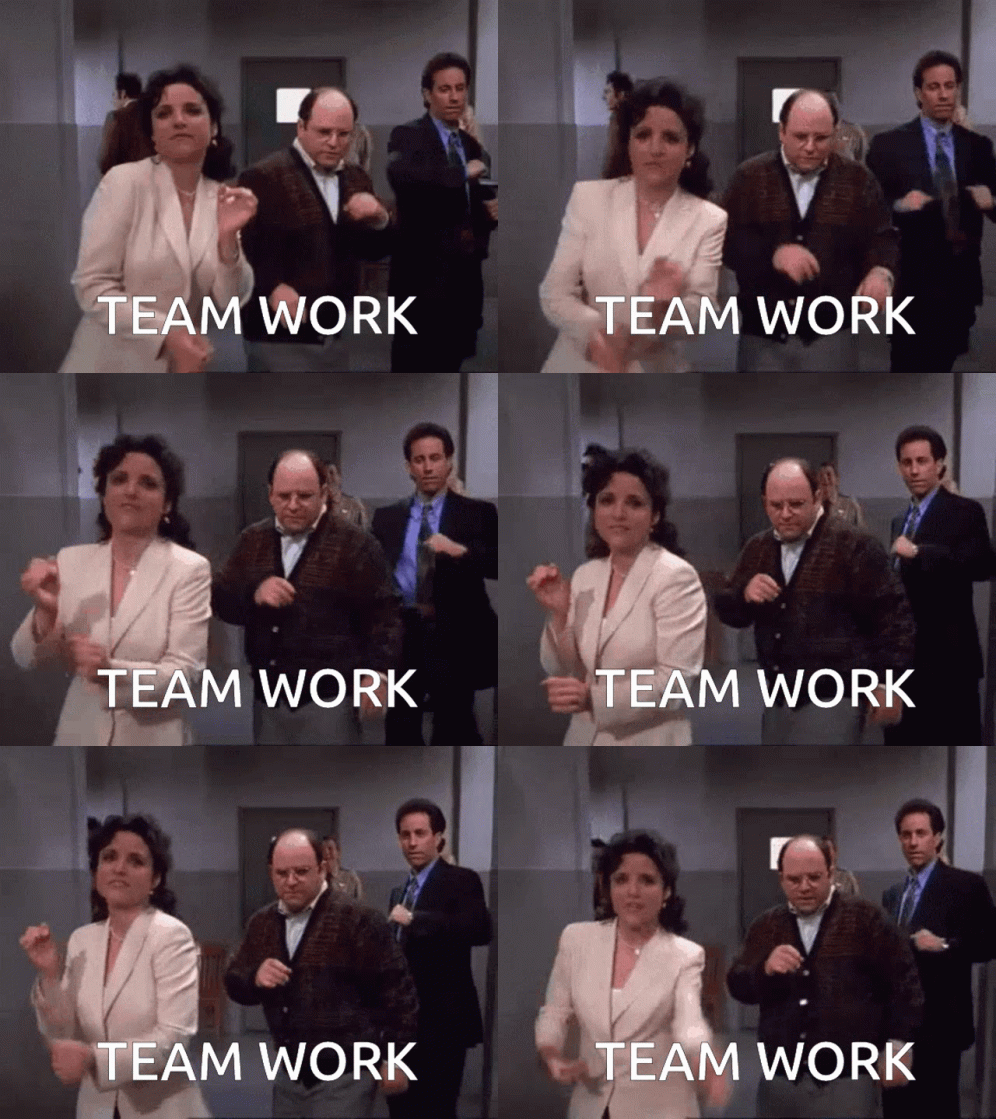
Team building isn’t just a corporate buzzword—it’s about bringing people working in a team closer together through fun and engaging activities.
When leaders get these activities right, it’s easier for them to see how they can increase productivity and make a positive difference in their organization.
For these team-building activities to hit the mark, everyone must understand their role in the entire project, not just a single task. Strong teamwork in the workplace allows every member to understand their role, share ideas, and work together toward a common goal, ultimately improving team performance and effectiveness.
When leaders get these activities right, they can see how to enhance the importance of teamwork, increase productivity, and make a positive difference within the organization. For these team-building activities to be practical, everyone must understand how individual and organizational team roles interact, not just focus on a single task.
That includes everything from communication within the team to specific objectives in group assignments. No matter what type of leader you are, being a good leader is critical to building a solid team that works together, which in turn helps your organization to make strides forward.

Understand teamwork dynamics to enhance your leadership skills
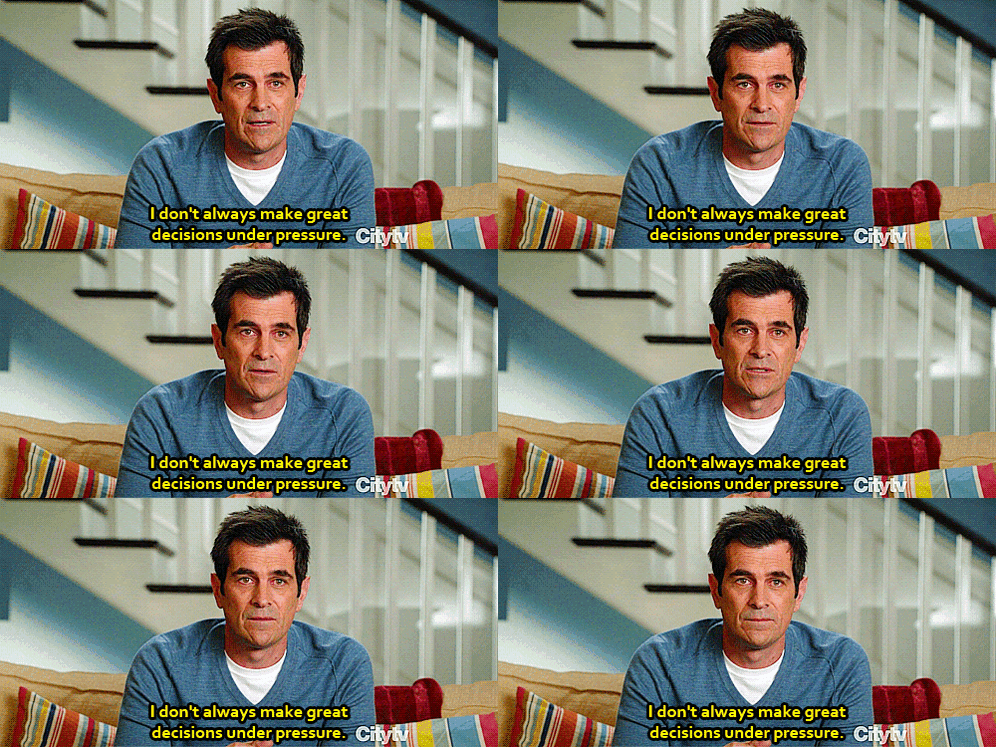
Constructive team-building activities offer an ideal platform for developing leadership qualities because they require individuals to make decisions under pressure. It makes them respond collaboratively towards shared goals without sacrificing individual or corporate diversity.
For successful team-building activities to take place, everyone involved must use their resources in addition to problem-solving techniques like brainstorming, role-playing, and analyzing various aspects of any given task.
Through dynamic work simulations, leaders can better understand what makes their teams tick to better navigate tricky scenarios in the future.
These experiences also promote stronger decision-making from a leadership standpoint. Each team member must actively weigh potential and real-world outcomes for decisions to ensure each move is logical and worth pursuing.
Why is team building important for leadership development?
Constructive team-building activities provide opportunities to practice effective teamwork, communication, and decision-making processes. They give team members the chance to work toward shared goals while respecting others skills and individual contributions.
By simulating real challenges, leaders can see how teamwork and leadership interact and how team effectiveness improves when team members are accountable. This also emphasizes the importance of good teamwork, team involvement, and team efforts toward achieving the organization's goals.
Here are some additional reasons why team building is essential for leadership development:
1. Improves communication skills
Both in-person and virtual activities encourage communication within the team and provide an opportunity to practice sharing ideas and collaborating. Leaders learn to establish clear communication channels while every team member practices speaking, listening, and contributing to the team's goals.
This can help leaders become better communicators in their management practices and corporate contexts. Team building also further strengthens the bond between co-workers, allowing for more effective collaboration among colleagues, no matter what problems arise.
2. Encourages creativity & decision-making process
The more comfortable a manager or leader is at problem-solving from multiple angles, the better prepared they’ll be when leading teams through sticky scenarios involving in-demand job skills, such as innovation or creativity.
Collaboration in the workplace sparks innovative solutions and allows team members to share perspectives. Creative problem-solving sessions help leaders identify ways to leverage individual team strengths and promote team success.
Building group dynamics works like any other form of construction: you need to start by creating a solid foundation.
3. Empowers team members through collaboration
Effective teamwork empowers a team to take risks, learn from mistakes, and grow in their roles. Activities that foster teamwork skills help individuals understand their team's collective power and how to work together toward objectives. This strengthens strong relationships, and teamwork goes hand in hand with leadership.
Team-building sessions help maximize the potential for creative solutions while strengthening essential skills such as critical thinking, communication, and even decision-making in a fun yet meaningful way.
These sessions allow everyone involved to be flexible with one another while also growing into their respective roles for future projects.
4. Decreases churn rates
Team building builds trust among group members and increases engagement, loyalty, and commitment to a common goal.
Organizations with practical team-building activities tend to have lower employee churn rates, which means more productive teams, more efficient operations, and better overall company performance.
5. Increases productivity and develops resilience
Structured team-building activities encourage effective teamwork, collaboration, and trust. Teams learn to handle stress and change, improving performance and ensuring successful teamwork in challenging situations. Leaders who manage their teams well can foster collaboration and cultivate skills and expertise that enhance team effectiveness with online project management platforms if necessary.
Additionally, working collaboratively as a team can immensely impact employees' resilience and trust levels when addressing stressful situations, both now and in the future.
Allowing team members to equip themselves with problem-solving skills and develop better defensive strategies helps ensure greater performance levels overall. Additionally, team members can be protected in times of emotional stress due to rapid shifts in unexpected circumstances at work.
Finally, good leadership requires strong teamwork, and strong teams require leaders who can motivate their colleagues toward cooperation that benefits all involved without sacrificing diversity.
Teamwork and leadership go hand in hand. Strong teams require leaders who can inspire, communicate, and work together toward shared goals, while leaders also need to recognize individual and team strengths.
Team building activities create a team environment that fosters engagement, collaboration, and problem-solving skills, giving your organization the tools it needs for team success, innovative solutions, and a stronger workplace culture. Through fun and interactive experiences, team members learn to work together better, understand their roles, and contribute to great teamwork that benefits everyone.
To keep great team dynamics going, leaders shouldn’t neglect taking the time to actively positive, collaborative work culture with fun work events.